Trump Weighs 'Final Determination' on Iran Deal That Would Reopen Strait of Hormuz
President Trump is deciding whether to approve a memorandum that would extend the U.S.-Iran ceasefire 60 days, reopen the world's most critical oil chokepoint, and launch nuclear talks. Tehran says contradictory U.S. positions are stalling the agreement.

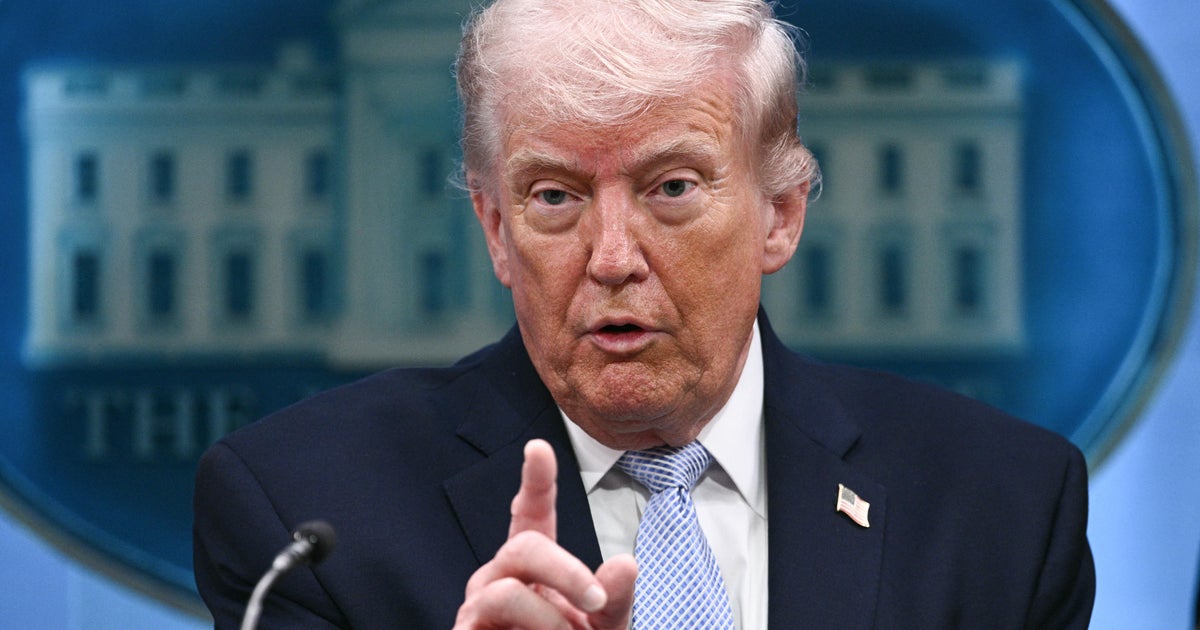
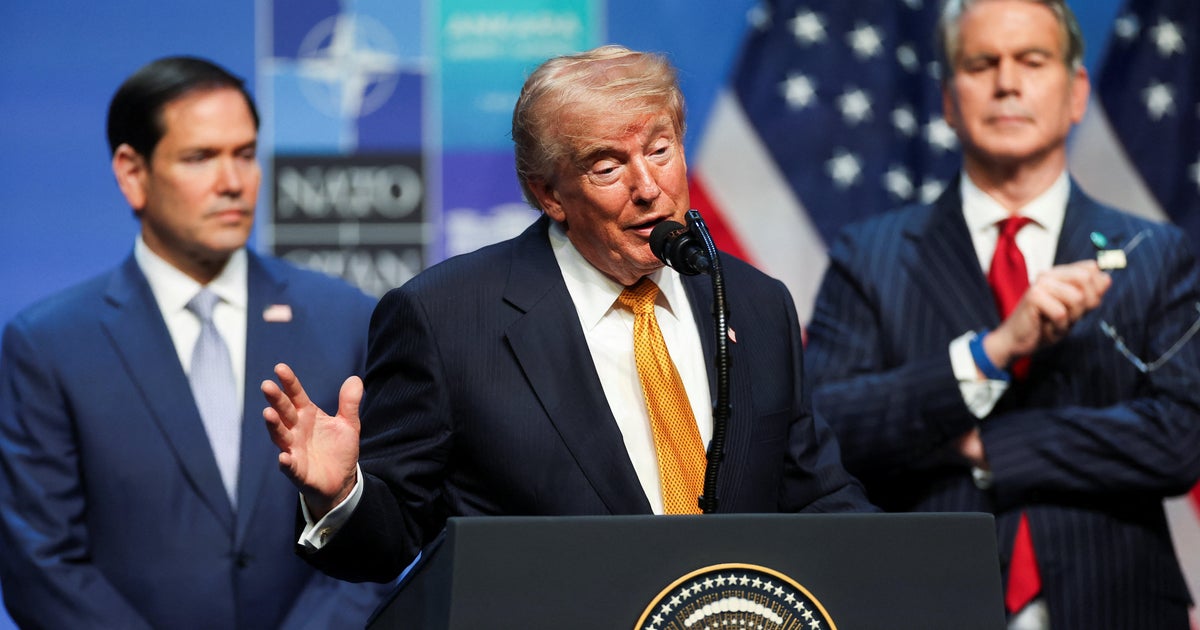
President Donald Trump spent the weekend weighing what he has called a "final determination" on whether to sign a tentative agreement to pause the three-month-old war between the United States and Iran, a deal that would reopen the Strait of Hormuz and extend a fragile ceasefire by 60 days. As of Sunday afternoon, no decision had been announced.
The proposed memorandum of understanding, hammered out through Pakistani and other intermediaries, would extend the current ceasefire for 60 days, lift the U.S. blockade of Iranian ports, and reopen the Strait of Hormuz to unrestricted shipping while negotiators take up the far harder questions surrounding Iran's nuclear program. Roughly a fifth of the world's seaborne oil passes through the strait, and its closure earlier this spring helped drive crude prices sharply higher.
Trump has insisted on terms that Tehran has resisted. In a series of statements, the president said Iran "must agree they will never have a Nuclear Weapon," demanded that highly enriched uranium be "unearthed" and "DESTROYED," and declared that "no money will be exchanged, until further notice." He also said the strait must open immediately and without tolls. "Iran really wants to make a deal," Trump wrote Monday on Truth Social, adding that indirect talks were proceeding "at a rapid pace."
Iran has pushed back on Trump's characterization of the text. The state-linked outlet Fars said there is "no such clause" guaranteeing a toll-free strait and disputed that any provision requires the destruction of its enriched uranium. Iranian officials said Monday that contradictory U.S. positions and Israel's continued military incursion into southern Lebanon were delaying the negotiations, and an outlet tied to the Revolutionary Guard briefly announced that Tehran was suspending talks and opening "other fronts" in the war.
Inside the administration, officials have signaled cautious optimism. Vice President JD Vance said the two sides were "very close" but "not there yet," while Defense Secretary Pete Hegseth said the Iranians were "coming in our direction." Trump, for his part, has said he is "in no hurry," insisting the process move "slow but surely" and warning there is "no deal that's good enough" unless it permanently blocks an Iranian bomb.
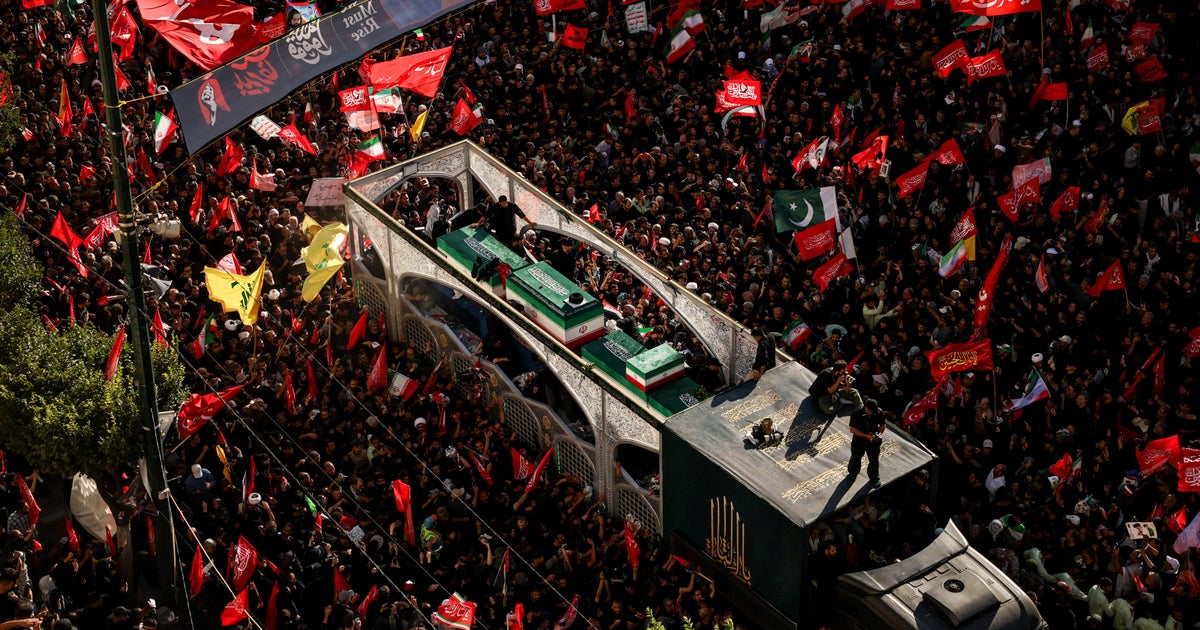
The stakes extend well beyond the negotiating table. The war, which erupted in late February, has killed dozens of Israeli soldiers and, according to Lebanese authorities, more than 3,000 people in Lebanon, while displacing more than a million civilians. U.S. and Iranian forces have continued to trade strikes in and around the strait even as diplomats exchanged drafts, leaving the ceasefire — in Trump's own words from earlier in May — on "massive life support." Whether the president signs in the coming days will determine if the guns fall silent or the region slides back toward open conflict.