US and Iran Reach Cease-Fire Agreement After Months of Conflict
The 60-day deal opens the Strait of Hormuz and lifts naval blockade, but leaves thorny nuclear issues unresolved for future negotiations.

The United States and Iran have reached a comprehensive cease-fire agreement that is expected to halt fighting for 60 days while opening the strategically crucial Strait of Hormuz and lifting the U.S. naval blockade on Iranian ports. The deal represents a significant diplomatic breakthrough after months of escalating military conflict between the two nations, though it deliberately leaves the most complex nuclear issues for future negotiations.
The agreement comes at a critical moment for global energy markets and international shipping, as the Strait of Hormuz serves as a vital chokepoint through which roughly one-fifth of the world's petroleum liquids pass. The reopening of this waterway and the lifting of naval restrictions on Iranian ports are expected to ease supply chain pressures and reduce energy costs that have affected consumers worldwide during the conflict.
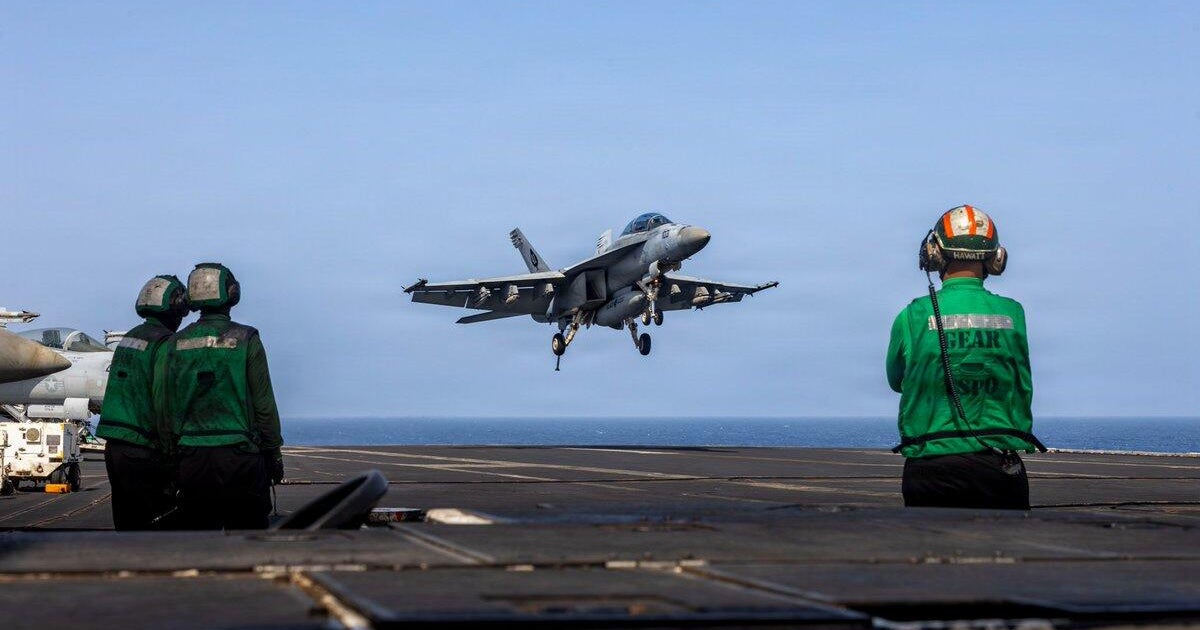
Diplomats familiar with the negotiations indicate that both sides made significant concessions to reach the agreement, with the United States agreeing to suspend certain military operations while Iran has committed to allowing international shipping to resume normal operations through the strait. The 60-day timeframe is designed to provide breathing room for more comprehensive negotiations on longer-term issues.
However, the agreement notably postpones discussions on Iran's nuclear program, uranium enrichment capabilities, and broader regional security concerns that have been at the heart of U.S.-Iran tensions for decades. These thorny issues, which include Iran's nuclear research activities and regional proxy relationships, remain unresolved and will require separate diplomatic efforts in the coming months.
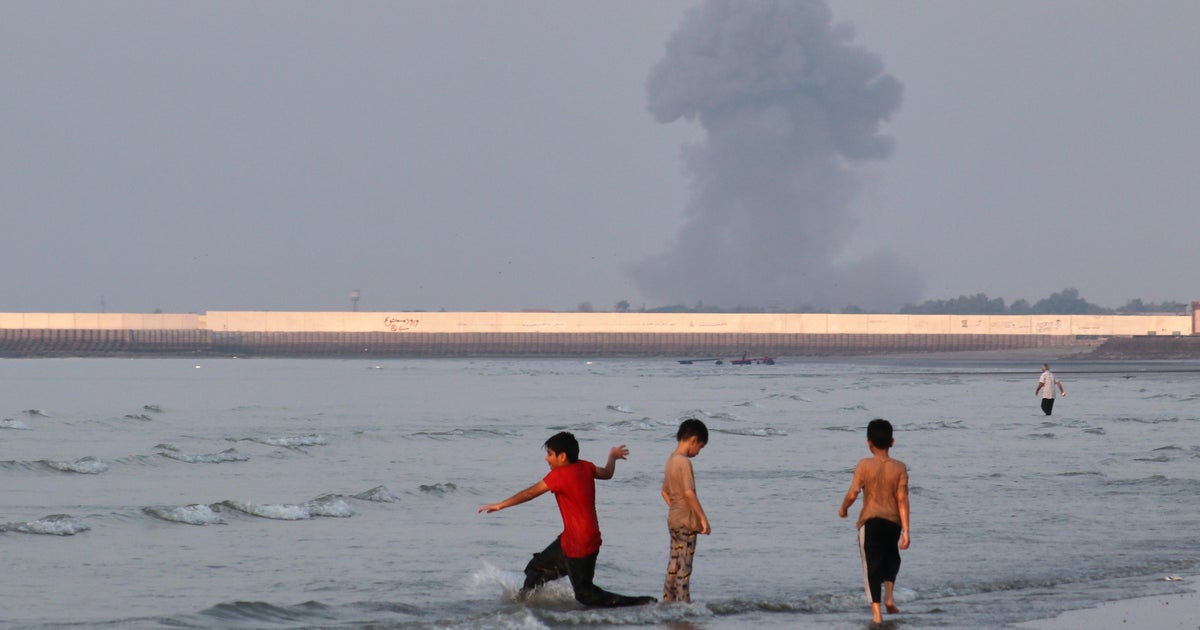
The cease-fire represents a test of both nations' commitment to de-escalation after a period of military confrontation that raised fears of broader regional conflict. International observers are closely watching implementation of the agreement's provisions, particularly regarding shipping access and the withdrawal of military assets, as early indicators of whether the diplomatic progress can be sustained and expanded into more comprehensive peace negotiations.