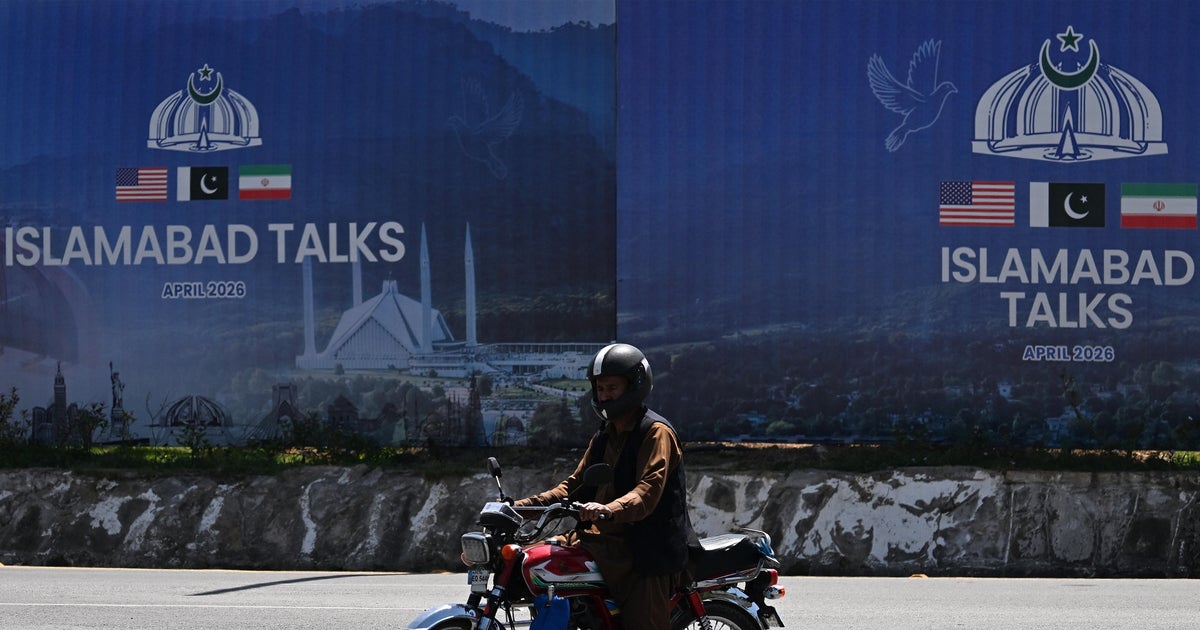
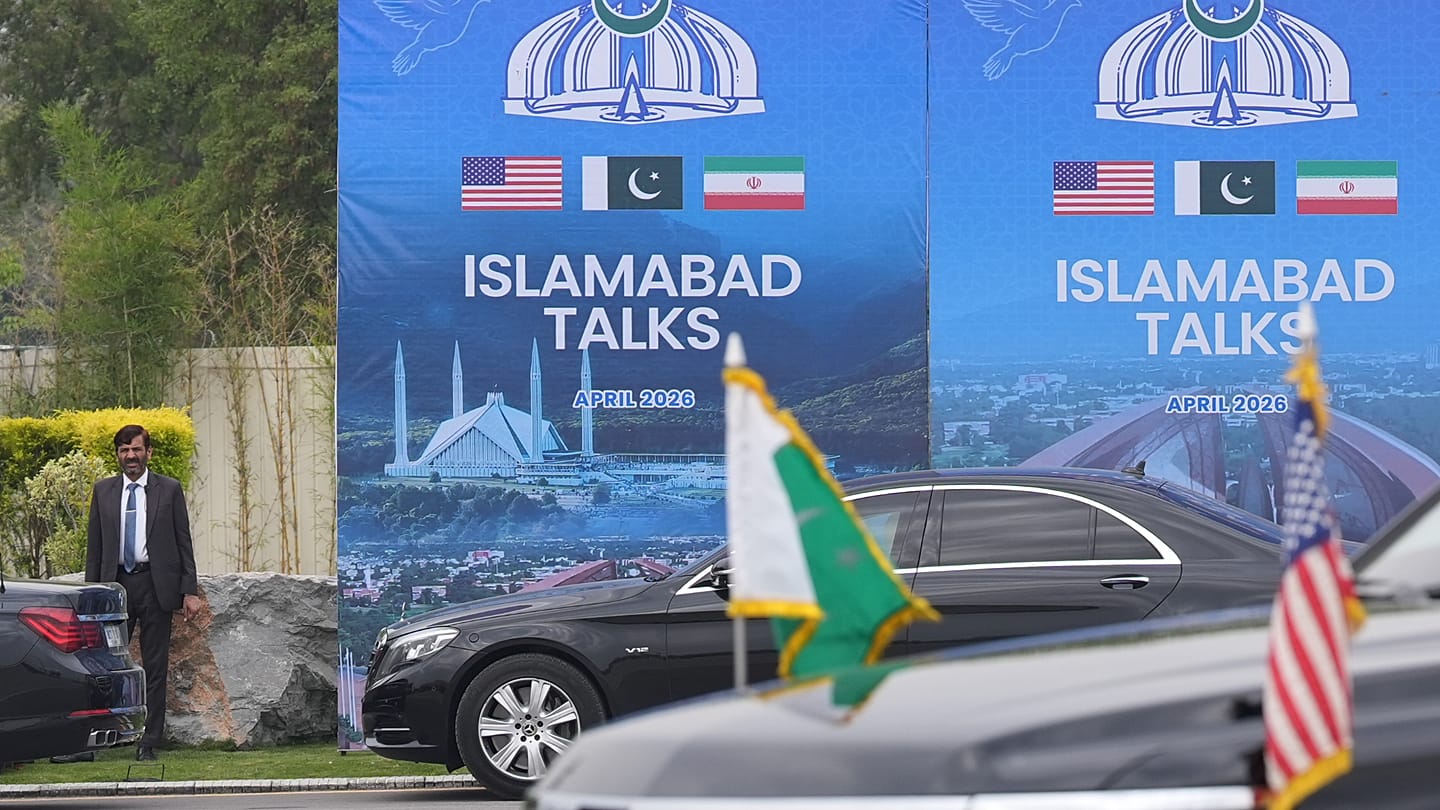
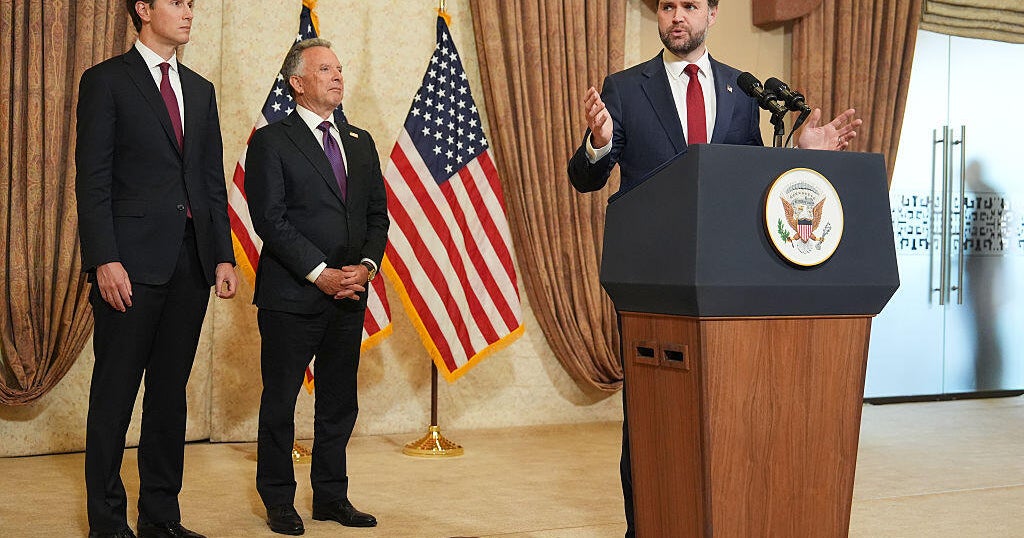
Trump Warns Iran Not to Charge Strait of Hormuz Tolls While VP Vance Sits Down with Iranian Officials in Islamabad
The president posted escalatory threats on Truth Social as his vice president opened the first direct US-Iran peace talks, creating a split-screen diplomatic moment that puzzled allies and alarmed former envoys.
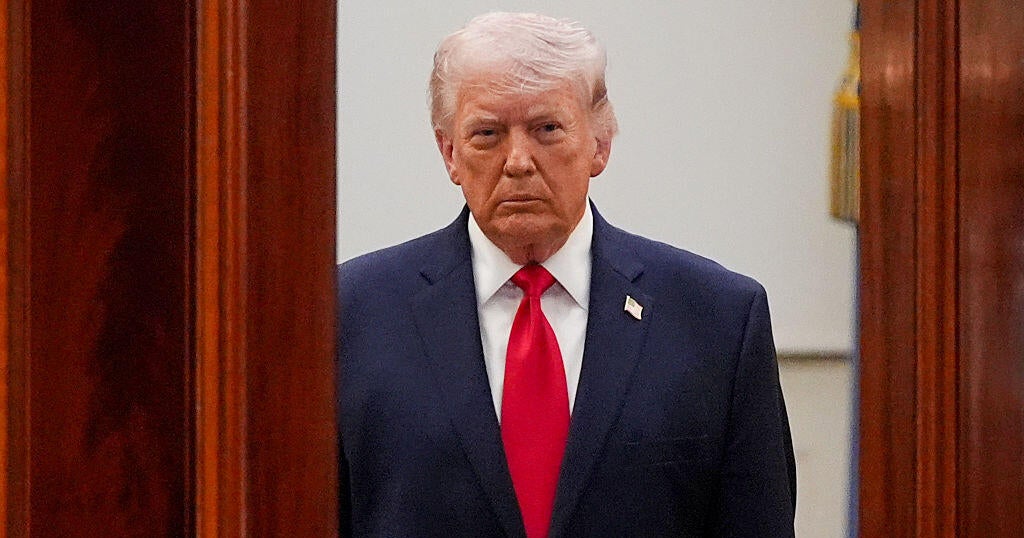
President Trump posted a string of pointed warnings to Iran on Saturday morning as Vice President JD Vance was en route to Islamabad for the first direct US-Iranian peace talks since Operation Epic Fury began — a split-screen moment that illustrated the contradictions at the heart of the administration's diplomacy and sent aides scrambling to contain the messaging.
"Iran better not try to charge a single cent in 'tolls' for ships passing through the Strait," Trump wrote on Truth Social as Vance was boarding Air Force Two. "We own those waters now and any such attempt will be treated as an Act of War. Very simple." The post came hours after Trump had separately threatened Iran with renewed military action if negotiations failed to produce results within a short timeframe, and before news emerged that US destroyers had crossed the Strait for the first time since the war began.
The posts created an immediate challenge for the vice president's team, which had been carefully calibrating the public posture for the talks. A senior administration official, speaking without authorization to describe internal communications, said Vance's team was aware of the posts before they went out but had not been in a position to alter or delay them. The official described the dynamic as a deliberate good-cop, bad-cop arrangement: Vance plays the reasonable negotiator while Trump plays the unpredictable threat, creating pressure on Iranian officials to accept terms before a deal becomes impossible to sell in Washington.
Whether that framing accurately describes White House strategy or is a post-hoc rationalization was a matter of debate among former diplomats Saturday. Several noted on background that similar dual-track signaling had backfired in previous Iran crises when Iranian hardliners used American threats to undercut moderate negotiators willing to engage.
In Islamabad, the Iranian delegation appeared to proceed with the talks despite Trump's posts. Foreign Minister Abbas Araghchi said before departure that Iran entered the negotiations with "complete distrust" of the United States but agreed to attend. Parliamentary Speaker Mohammad Bagher Ghalibaf, who co-leads the 71-person Iranian delegation, said Iran would accept no deal that did not recognize its "rights" — a phrase that encompasses both nuclear enrichment and maritime access to the Persian Gulf.
Trump continued posting through Saturday morning. "Iran is lucky we stopped when we did. They should be thanking JD, not threatening him," he wrote in a follow-up, referencing Iranian state media claims that Iranian security forces had warned a US destroyer to turn back from the Strait. Iran's account of that encounter — which the US disputed — claimed the ship withdrew under threat. The US military confirmed the destroyers crossed; Iran claimed they did not.
Pakistani Prime Minister Shehbaz Sharif hosted a brief opening ceremony between Vance and Araghchi before formal sessions began — the first direct contact between a senior US official and an Iranian official since the ceasefire took effect. Vance described the meeting afterward as "constructive in the preliminary sense" without elaborating.
The ceasefire expires April 21. Both delegations were scheduled to remain in Islamabad through at least Sunday, with a second round of talks planned for Monday. The central issues on the table include Iranian access protocols through the Strait, the future of Iran's nuclear program, the status of Lebanon, and the fate of American and Iranian prisoners held since the conflict began. All four remain unresolved.