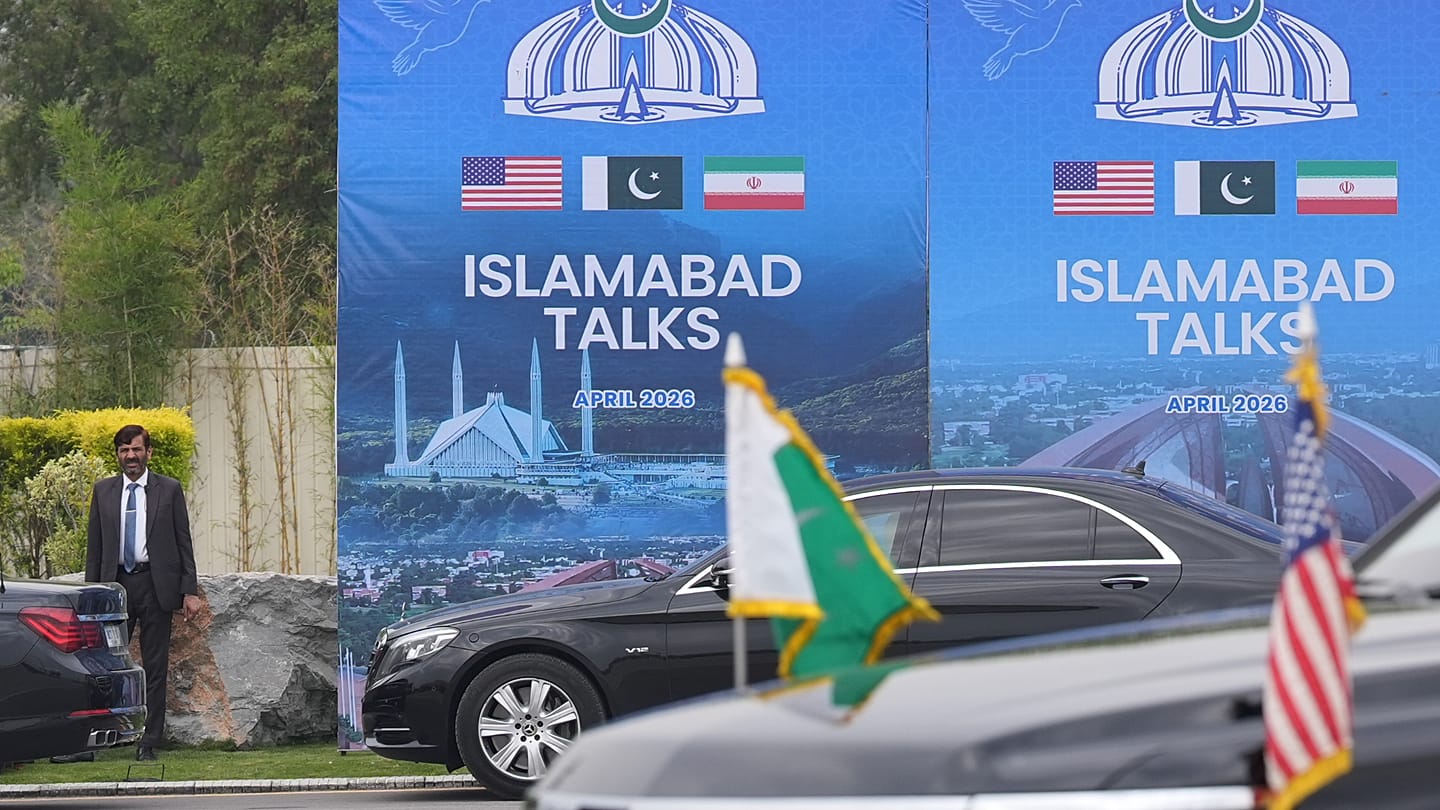
US and Iran Head to Islamabad Friday for First Direct Peace Talks Since Six-Week War
Vice President Vance and special envoy Witkoff will lead the American delegation as both sides arrive with incompatible demands — but a shared interest in avoiding renewed conflict.
The United States and Iran will dispatch delegations to Islamabad on Friday, April 10, for the first direct peace negotiations since the two-week ceasefire took effect, Pakistan's Prime Minister Shehbaz Sharif announced Wednesday. The talks, hosted in the Pakistani capital and brokered by Sharif and Army Chief Field Marshal Asim Munir, represent the first attempt in nearly a decade to forge a comprehensive framework between Washington and Tehran — this time in the shadow of a six-week war that has killed thousands and disrupted global energy markets.
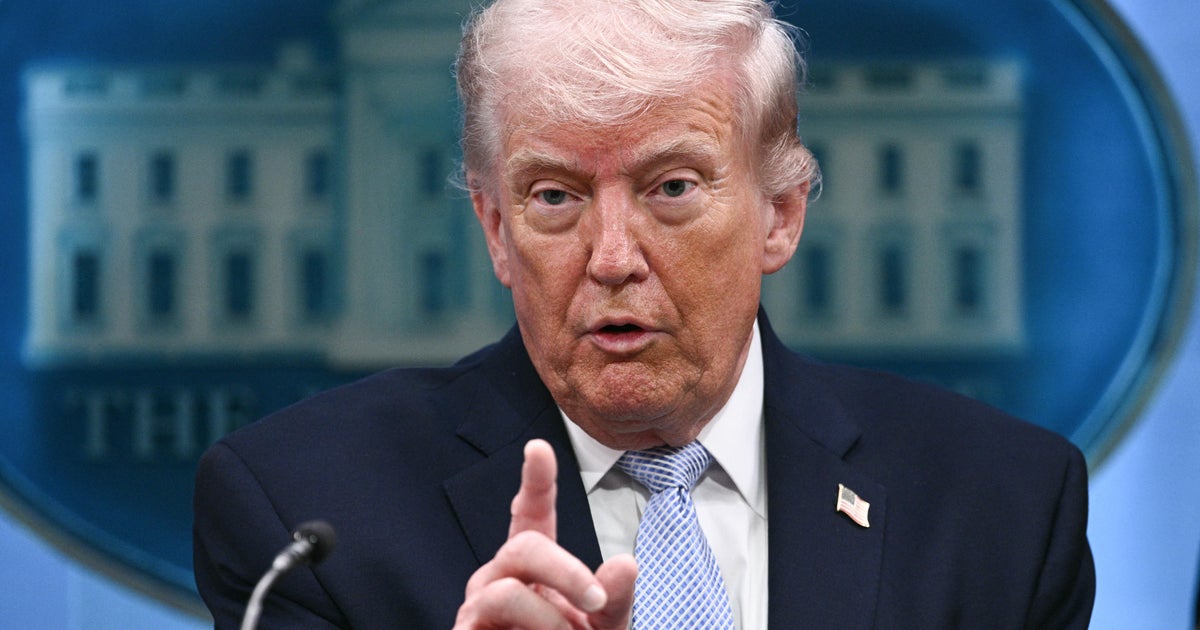
Vice President JD Vance is expected to lead the American delegation, alongside special envoy Steve Witkoff, who has been the administration's point man on Middle East diplomacy, and presidential son-in-law Jared Kushner. The Iranian delegation will be guided by the Supreme National Security Council, which formally accepted the ceasefire terms late Tuesday. Iran's Foreign Minister Abbas Araghchi confirmed that 'safe passage through the Strait of Hormuz will be possible via coordination with Iran's Armed Forces,' marking the first formal opening of the waterway after more than five weeks of effective closure.
Iran has presented a 10-point proposal as its negotiating baseline. The document calls for the complete withdrawal of U.S. combat forces from regional bases across Iraq, Qatar, Bahrain, Saudi Arabia, and the UAE; continued Iranian sovereignty over the Strait of Hormuz with safe passage guaranteed through formal coordination; the lifting of all primary and secondary sanctions; the release of roughly $80 billion in Iranian assets frozen abroad; a halt to U.S. operations against Iranian-aligned militia groups across the Middle East; and significant reparations for war damage. Iranian officials said they 'nearly achieved all war objectives' — a claim flatly rejected by Pentagon officials.
Trump's team has countered with a 15-point framework that includes non-negotiable demands: zero uranium enrichment and full surrender of Iran's enriched uranium stockpile, which Defense Secretary Pete Hegseth called 'non-negotiable.' The U.S. would allow Iran to maintain peaceful civilian nuclear energy under rigorous international inspections. Washington has also signaled conditional willingness to ease some secondary sanctions and discuss a partial reduction of forces in the region, but not a full withdrawal. On Tuesday night, Trump described Iran's proposal as 'a workable basis on which to negotiate,' the strongest diplomatic language he has used toward Tehran since the conflict began on February 28.
The ceasefire's durability faces immediate tests. Israel's Prime Minister Benjamin Netanyahu confirmed that Israeli operations against Hezbollah in Lebanon will continue, complicating the fragile truce. Iran launched drone and missile attacks on Kuwait and the UAE on Wednesday, citing 'clear violations' by those countries during strikes on Iranian oil facilities at Lavan Island. Those incidents, if not resolved, could unravel the agreement before the first round of negotiations even begins.
The economic stakes have never been higher. Brent crude plummeted 13% to approximately $95 a barrel Wednesday — its largest single-day drop since April 2020 — after the ceasefire announcement, but analysts cautioned the rebound is fragile. The International Monetary Fund warned Tuesday that the war has triggered 'the largest supply disruption in the history of the global oil market,' with 72 energy facilities damaged or destroyed. IMF Managing Director Kristalina Georgieva said that 'even if the war were to stop today, there would be a lingering negative impact to the rest of the world.' S&P 500 futures surged more than 2% in pre-market trading Wednesday, and Tokyo's Nikkei rose 5.1%.
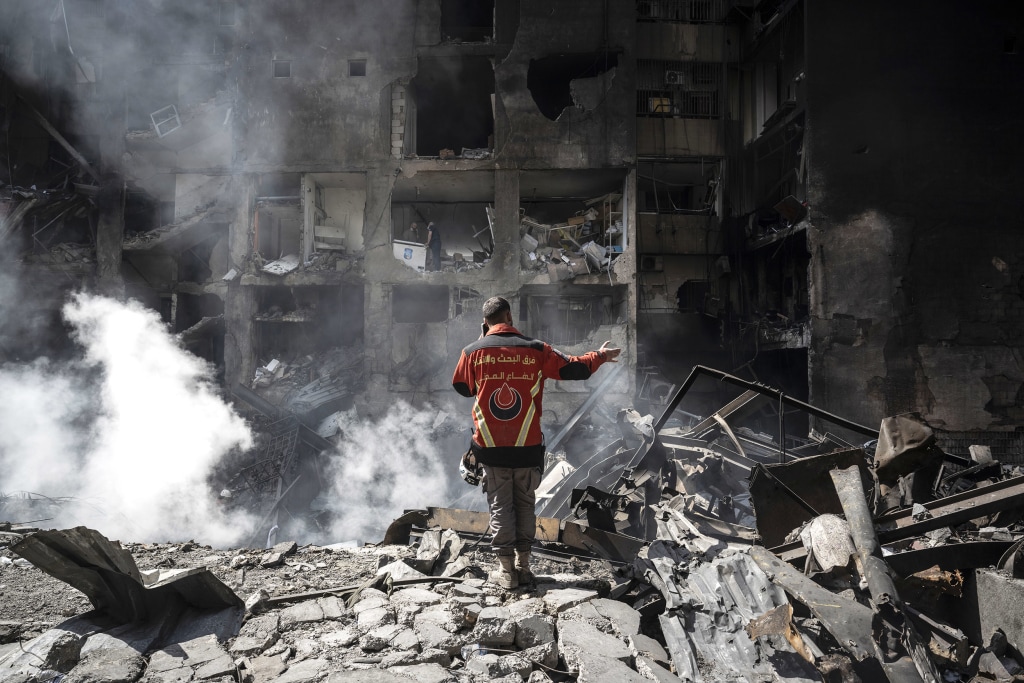
More than 3,400 people have been killed across the Middle East since hostilities began, including 15 U.S. service members and 39 Israeli soldiers and civilians. The two-week ceasefire is extendable by mutual agreement, leaving both sides with an incentive — and a deadline — to make progress in Islamabad. The question now is whether the gulf between a U.S. insisting on nuclear disarmament and an Iran demanding full sanctions relief and troop withdrawal can be bridged before the 14-day clock runs out.