Israeli Exit Polls Show Netanyahu Short of a Majority, With No Clear Winner
Likud is the largest party, but neither Netanyahu's bloc nor the opposition reaches 61 seats, and record Arab-party gains could decide who governs.
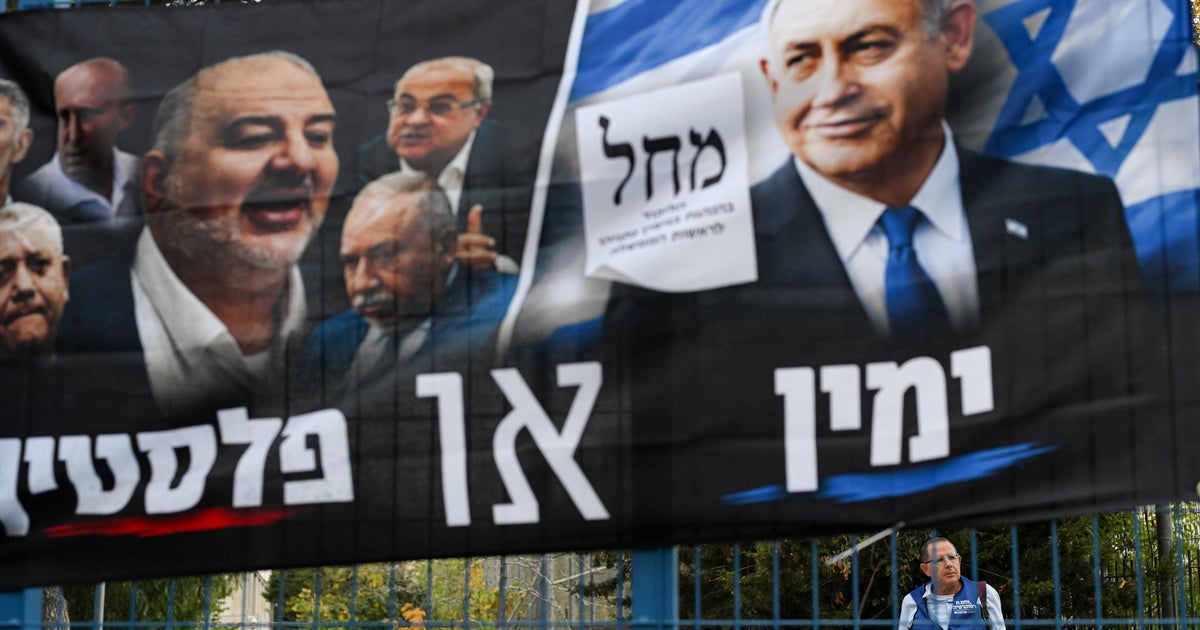
TEL AVIV — Exit polls released by Israel's major television networks after voting ended on Tuesday show no clear winner in the country's most closely watched election in years, with a majority of voters turning away from Prime Minister Benjamin Netanyahu's governing coalition but no rival bloc reaching a majority of its own.
Netanyahu's Likud party appears to have finished as the largest single party in the 120-seat Knesset. But neither his coalition of ultranationalist and Jewish religious parties nor the opposition 'change bloc' reaches the 61 seats needed to govern, according to the early projections. Early polls also suggest Netanyahu's side won fewer votes overall than his main challenger's. Exit polls are estimates, and final results will take days to confirm.
The challenger is Gadi Eisenkot, a former military chief of staff who leads the centrist Yashar party and is seen as the front-runner to head the opposition bloc. Eisenkot sat in the war cabinet during the first year of the Gaza war and lost a son and two nephews serving in Gaza. Reacting to the projections, he said the public had 'voted against Netanyahu's service' as prime minister.
One of the clearest results in the early numbers is the strength of Israel's two Arab parties, which appear to have won more seats than in any previous election. Arab citizens make up about 20 percent of Israel's population, and some Arab voters described a difficult period under Netanyahu's government. Both Netanyahu and the opposition have vowed not to govern with Arab parties, which makes those seats pivotal in arithmetic terms yet politically awkward for everyone involved.
This is the first election since the Hamas attacks of October 7, 2023, which the article describes as Israel's most catastrophic security failure since 1948. Netanyahu, Israel's longest-serving prime minister, campaigned on the argument that the wars in Gaza, Lebanon and Iran need more time and that he should be allowed to finish them. He is seeking a coalition much like the current one.
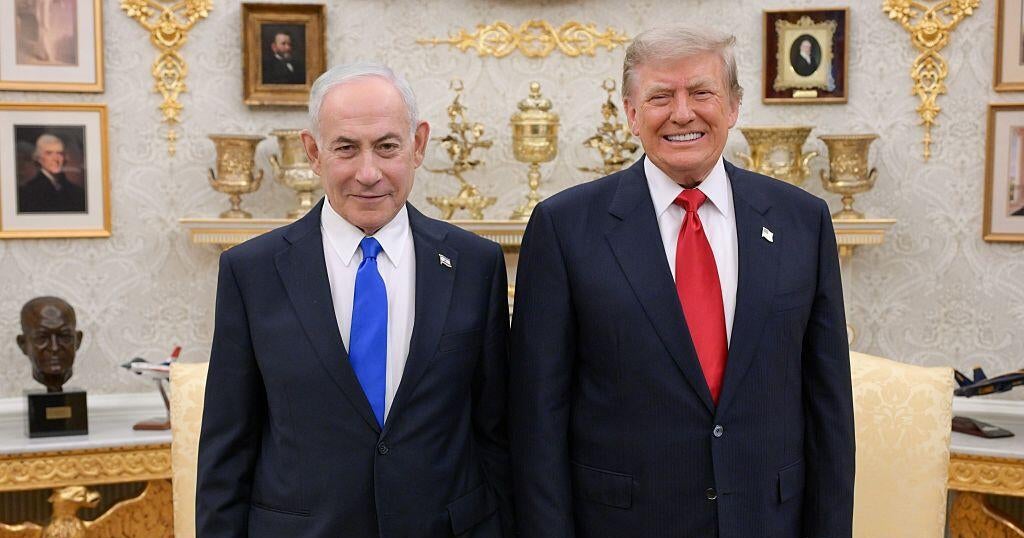
President Donald Trump weighed in on Netanyahu's side before the vote, endorsing him and warning that he might not continue the Iran war if Netanyahu lost power. 'I am not inclined to do so,' Trump wrote. The intervention raised the stakes of an election that Israelis and outside governments have treated as a referendum on both Netanyahu and the course of the regional conflict.
Several paths forward are open. Lawmakers could break pre-election pledges and switch sides, which has precedent in Israeli politics. The change bloc could try to form a minority government if it wins more seats than the Netanyahu camp, relying on Arab parties to vote for it or abstain. And if no government can be formed, Israel faces another election; the country held five between 2019 and 2022.
For now, both camps are likely to spend the coming days courting defectors and waiting for the official count. Netanyahu has kept the largest party, but he has not clearly kept the ability to form a government, and that gap will define the weeks of bargaining ahead.