U.S. and Iran Reach Tentative 60-Day Ceasefire Deal to Reopen Strait of Hormuz, Awaiting Trump's Sign-Off
Negotiators have agreed on a memorandum that would restore unrestricted shipping through the world's most important oil chokepoint and open talks on Iran's nuclear program — but President Trump has not yet given final approval.
American and Iranian negotiators have reached a tentative agreement that would extend the fragile ceasefire in their roughly three-month war by 60 days, reopen the Strait of Hormuz to international shipping and create a framework for broader negotiations over Tehran's nuclear program, officials on both sides said. The deal, structured as a memorandum of understanding, still awaits President Trump's signature, and Iranian state media cautioned that the text is not yet final on Tehran's end either.
At the center of the agreement is the Strait of Hormuz, the narrow waterway through which roughly a fifth of the world's oil passes. Under the draft, "unrestricted" transit would be restored, with Iran committing not to impose tolls on vessels passing through and pledging to clear all of its mines from the strait within 30 days. The chokepoint's monthslong disruption has rattled global energy markets and pushed fuel prices higher across the United States and beyond.
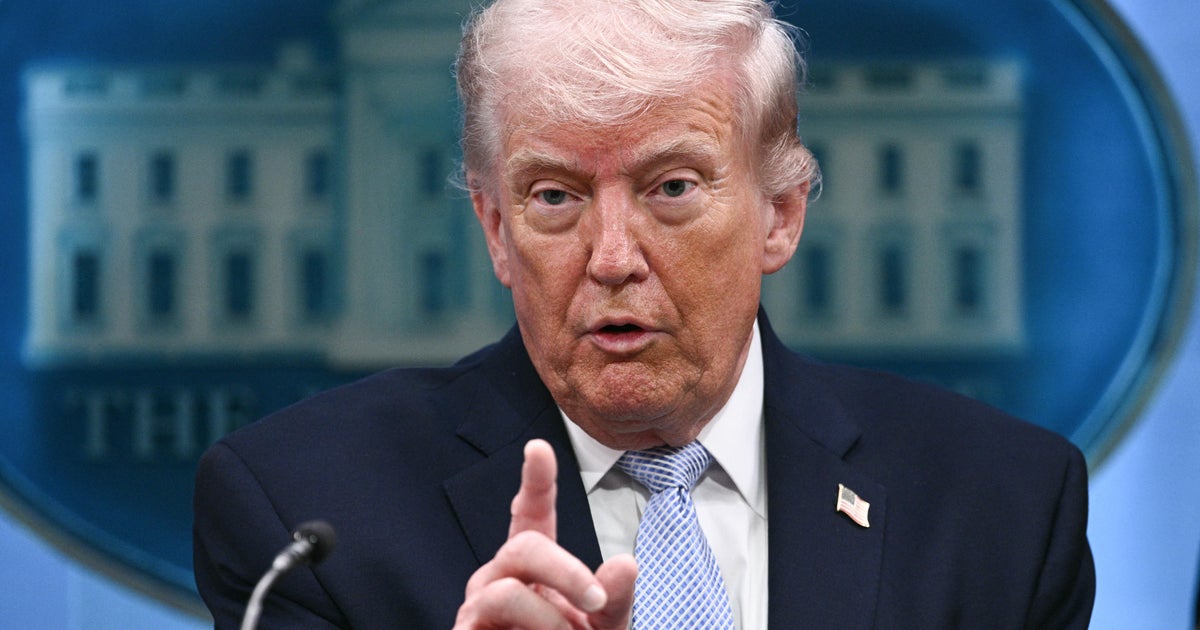
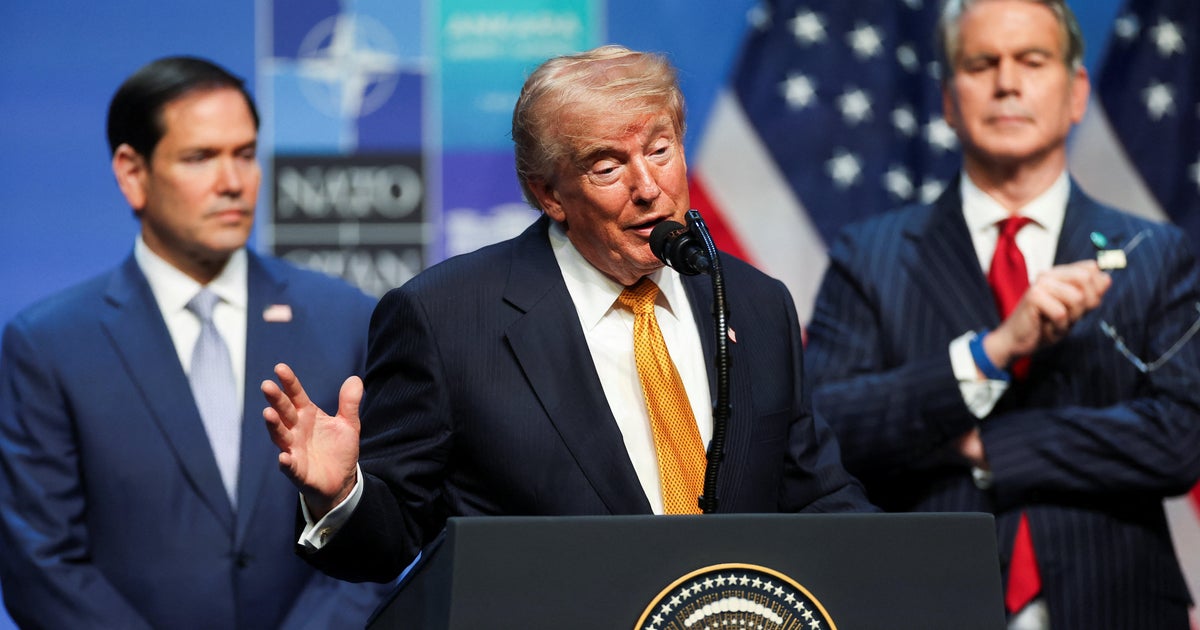
Vice President JD Vance said Thursday it was "still TBD" whether the president would sign, underscoring that the arrangement remains provisional. Trump, for his part, struck a confident tone during a Cabinet meeting this week, declaring that Iran was "negotiating on fumes" and insisting that November's midterm elections would not shape his approach to the conflict. In a separate statement, the president said any deal was contingent on a "COMPLETE, IMMEDIATE, and SAFE OPENING" of the strait.
If the ceasefire holds, the first items on the table during the 60-day window would be Iran's uranium enrichment and the disposal of its existing stockpile of highly enriched uranium — the issues that have defined more than a decade of confrontation between Washington and Tehran. Negotiators have described the nuclear track as the hardest part of any durable settlement, and one that previous administrations were unable to resolve.
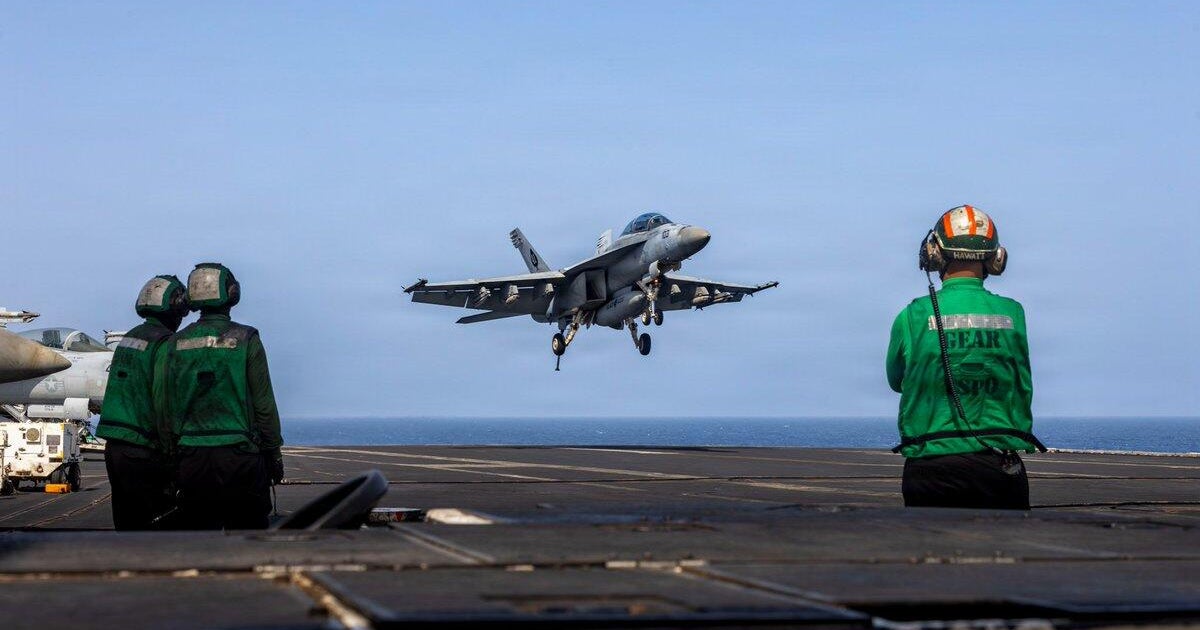
The stakes extend well beyond the negotiating table. Pentagon assessments circulating in Washington this week warned that American defense contractors would need roughly three years to replace the munitions expended during the regional fighting, a sobering reminder of how quickly a renewed conflict could strain U.S. stockpiles. Allies in the Gulf, meanwhile, have pressed both sides to lock in the pause before it collapses, as it nearly did during an earlier round of strikes.
For now, the war's fate rests largely on a single signature. Diplomats familiar with the talks said the memorandum could be finalized within days if Trump approves it, but they cautioned that past breakthroughs in the conflict have unraveled with little warning. "Largely negotiated" is how one official described the state of play — a phrase that captures both how far the two sides have come and how much could still go wrong.