China Fires a Submarine-Launched Ballistic Missile Deep Into the Pacific, Rattling U.S. Allies
Beijing's first publicly acknowledged strategic SLBM test into open ocean sent a training warhead more than 8,000 kilometers and drew sharp protests from Washington, Tokyo, Canberra and Wellington.
China conducted its first publicly acknowledged test of a strategic submarine-launched ballistic missile into the open Pacific on Monday, a demonstration of undersea nuclear reach that immediately drew condemnation from the United States and its Pacific allies. According to a statement from China's official Xinhua news agency, the People's Liberation Army Navy launched the missile carrying a training dummy warhead from one of its strategic nuclear submarines, sending it more than 8,000 kilometers before it struck a designated target area in the high seas.
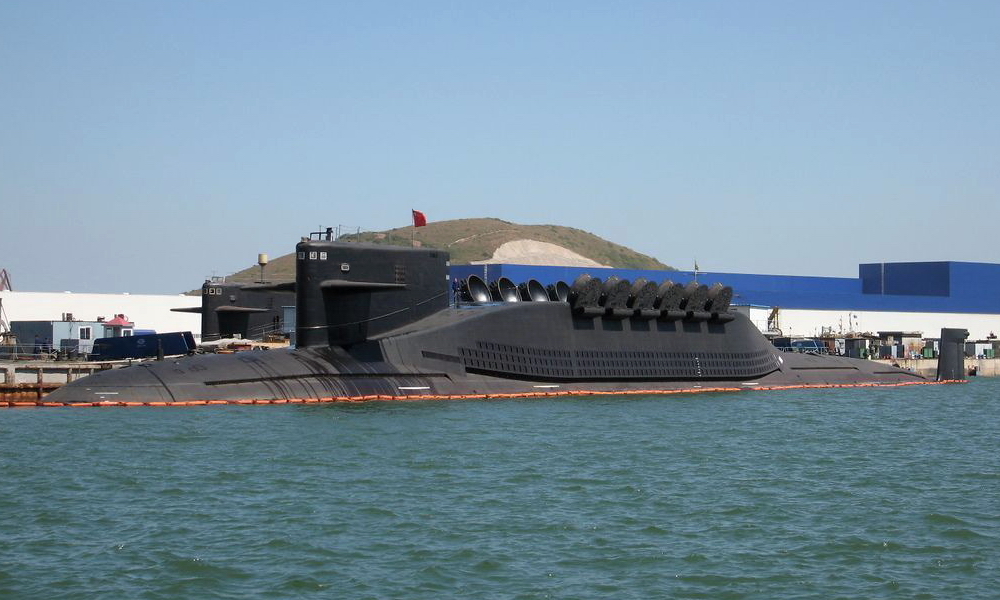
Beijing did not identify the specific submarine or missile. But Chinese military commentators and outside analysts alike concluded the weapon was almost certainly the JL-3, China's newest submarine-launched ballistic missile, most likely fired from a Type 094 "Jin"-class boat. With an estimated range exceeding 10,000 kilometers, the JL-3 can place most of the continental United States within reach from patrol areas far closer to China's own coast — a capability that fundamentally strengthens Beijing's sea-based nuclear deterrent.
The significance was not lost on the region. It was the first time China had ever launched a submarine-based ballistic missile into international waters, and the first time Beijing had publicly demonstrated in the Indo-Pacific that it possesses a survivable, sea-launched nuclear strike capability. Analysts described the test as a deliberate message, timed and publicized to signal that China's undersea deterrent has come of age.
The protests came quickly. New Zealand and Australia both denounced the launch as a threat to peace and stability in the Pacific, and the test drew pushback from the United States and Japan as well. Officials in Wellington and Canberra objected in particular to the firing of a nuclear-capable missile across a region dotted with small island nations, warning that such demonstrations risk a dangerous new phase of military competition in waters that Western navies have long dominated.
Security experts said the launch underscores a widening gap in transparency between the major nuclear powers. Unlike the United States and Russia, China has no bilateral agreement requiring advance notification of ballistic-missile launches, and the Pacific test — conducted with little warning near busy sea lanes — has intensified calls for a launch-notification arrangement to reduce the risk of miscalculation. For Beijing's neighbors, the message was clear: the balance of power beneath the Pacific is shifting.
The timing sharpened the alarm. The test unfolded as the region was already on edge over great-power rivalry, and it followed years of rapid Chinese naval expansion that has given Beijing the largest navy in the world by number of hulls. A submarine-based deterrent is prized by nuclear states precisely because it is hard to find and therefore hard to destroy in a first strike, making it the most survivable leg of a nuclear arsenal. By showing it can launch such a weapon across the open Pacific, China signaled that its second-strike capability is maturing — a development Washington's own strategists have long anticipated but that lands differently when demonstrated in plain view. Regional governments said they would press Beijing for greater transparency, though few expressed optimism that it would be forthcoming.