Kazakhstan Offers to Store Iran's Enriched Uranium in a Bid to Break the Nuclear Deadlock
IAEA chief Rafael Grossi says the Central Asian state is willing to hold Tehran's near-weapons-grade stockpile — but Iranian lawmakers are already rejecting the idea.
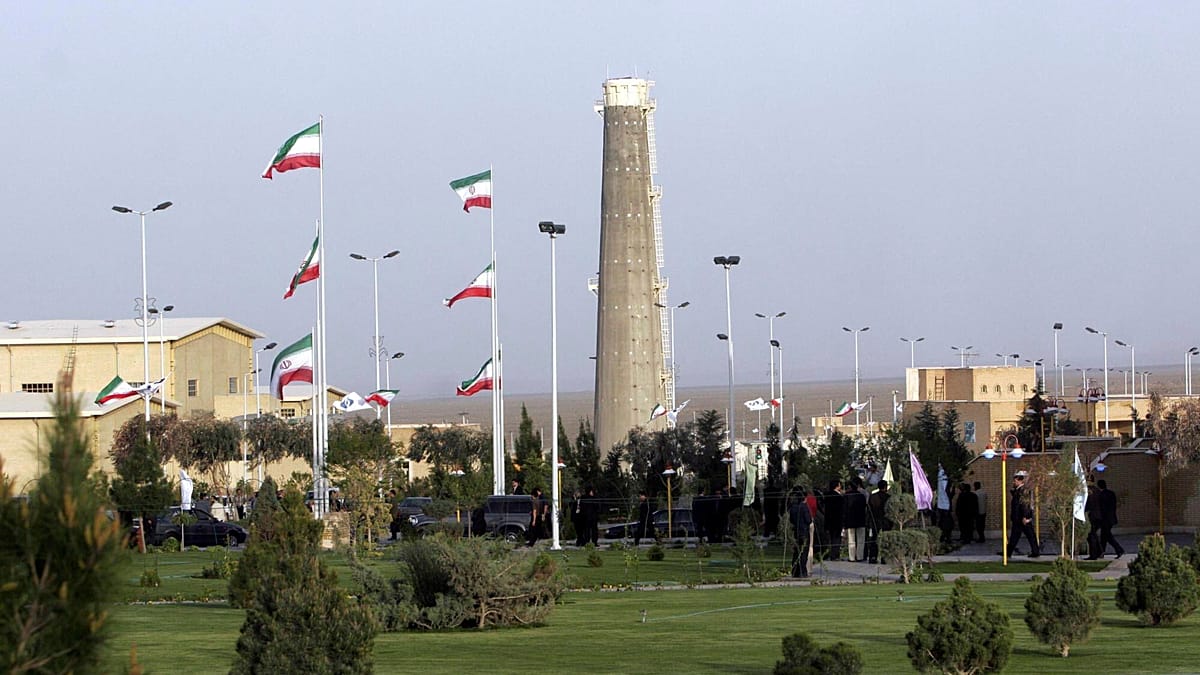
Kazakhstan has offered to take custody of Iran's stockpile of near-weapons-grade uranium, a potential breakthrough aimed at resolving one of the thorniest obstacles in the troubled negotiations between Washington and Tehran, the head of the United Nations nuclear watchdog said this week.
Rafael Grossi, director general of the International Atomic Energy Agency, revealed the offer after Kazakh President Kassym-Jomart Tokayev met with him in Astana. The proposal would see Iran transfer its most sensitive enriched material out of the country to a neutral third party, addressing a central concern of American negotiators who want Tehran's pathway to a nuclear weapon physically removed rather than merely capped on paper.
Kazakhstan is, in many respects, a logical custodian. The country already hosts the IAEA's Low Enriched Uranium Bank, established in 2018 in cooperation with the United Nations and located at the Ulba Metallurgical Plant in Oskemen, in the country's northeast. The facility, operational since October 2019, was designed to give nations access to nuclear fuel without enriching uranium themselves — precisely the kind of arrangement that could reassure the international community about Iran's intentions.
The offer comes as talks between Washington and Tehran remain stuck over interlocking issues, including the fate of Iran's uranium stockpile and tensions surrounding the Strait of Hormuz, the vital shipping chokepoint for global oil. By providing a destination for the material, Kazakhstan's proposal could give both sides a face-saving mechanism: the United States could claim the most dangerous element of Iran's program had been neutralized, while Iran could argue it retained its broader nuclear infrastructure and rights.
But the plan faces stiff resistance inside Iran. Ebrahim Azizi, who heads the Iranian Parliament's National Security and Foreign Policy Committee, flatly rejected the idea of shipping enriched uranium abroad, declaring that Tehran will not move its stockpile out of the country and insisting that Iran's nuclear program is "non-negotiable." Hardliners have long viewed the domestic stockpile as both a strategic asset and a symbol of national sovereignty.
The diplomatic maneuvering unfolds against a backdrop of recent military confrontation in the Gulf and fragile efforts to keep negotiations alive. Whether Kazakhstan's offer gains traction will likely depend on whether Iran's leadership concludes that relinquishing the material is a price worth paying for sanctions relief and reduced risk of further conflict. For now, the proposal sits on the table as one of the few concrete ideas to emerge from a process that has repeatedly stalled — a test of whether a neutral broker can succeed where direct talks have faltered.


/thetatva/media/post_attachments/wp-content/uploads/2025/06/Untitled-design-2025-06-22T210634.931-502222.jpg)