Rubio Defends Iran War in First Testimony to Congress, Says Tehran Will Now Negotiate Its Nuclear Program
In back-to-back hearings, the secretary of state told lawmakers Iran has agreed to discuss aspects of its nuclear work it long refused to address, even as Democrats pressed him over strikes launched without congressional approval.

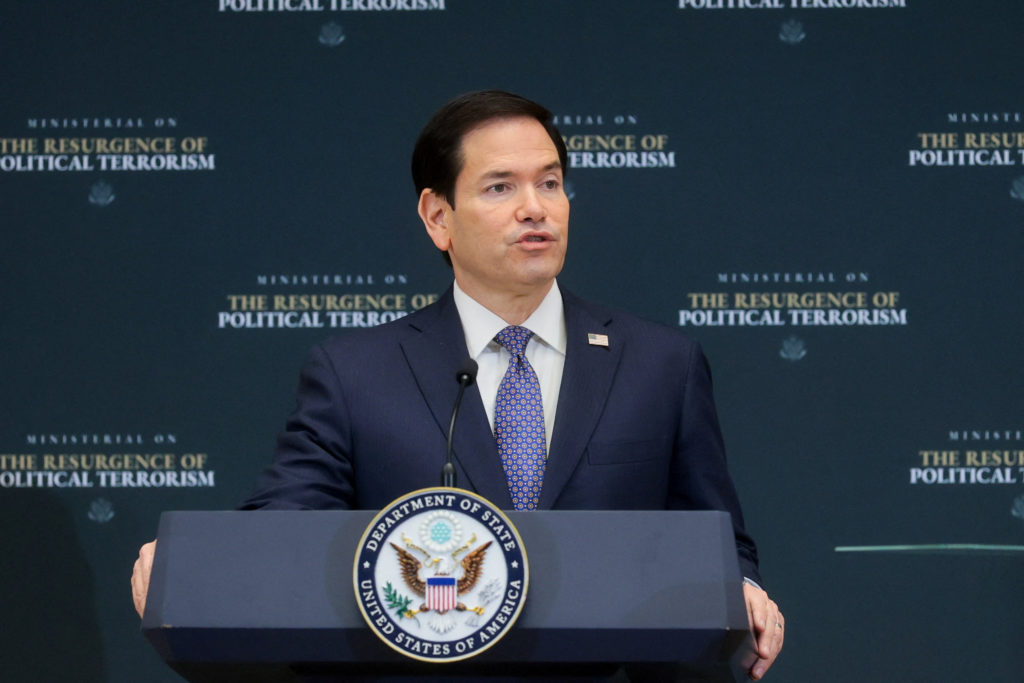
Secretary of State Marco Rubio defended the Trump administration's military campaign against Iran in his first appearance before Congress since the war began, telling lawmakers Tuesday that the conflict had pushed Tehran to the negotiating table on nuclear concessions it had long refused to entertain.
"They have agreed to negotiate aspects of their nuclear program that just a month ago, just a year ago, they were refusing to even mention," Rubio told the Senate Foreign Relations Committee at a 10 a.m. hearing, before heading to a House panel on the State Department's budget that afternoon. He described himself as optimistic about the diplomatic track while cautioning that the talks remained uncertain and could still collapse.
The hearings were ostensibly about the department's spending request — more than $35 billion for the 2027 fiscal year — but they quickly became a referendum on the administration's decision to enter a shooting war with Iran. Rubio used the platform to argue that the combination of military pressure and diplomacy had created an opening that years of negotiation alone had failed to produce.
Democrats were unconvinced. Several members pressed Rubio on why the United States had launched strikes without prior authorization from Congress, warning that the precedent eroded the legislature's constitutional war powers. Others zeroed in on the humanitarian and economic fallout of a widening regional conflict, including soaring oil prices and the risk of disruption to the Strait of Hormuz. The exchanges grew heated at points, with senators from both parties demanding a clearer account of the administration's long-term strategy.
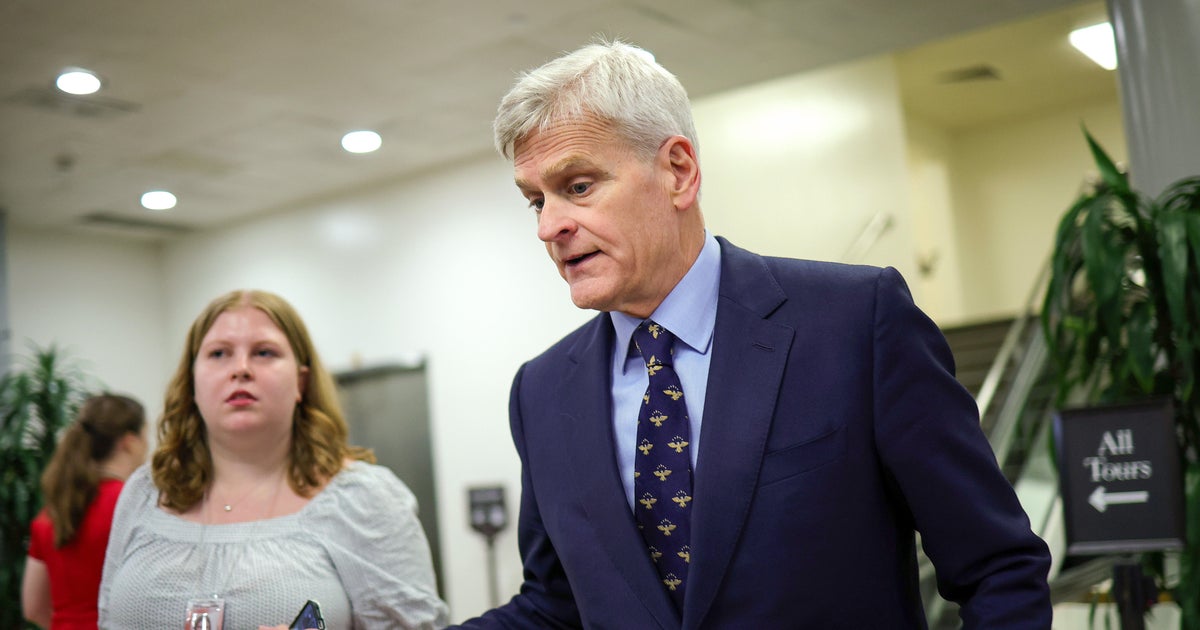
The questioning turned combative at times. Sen. Cory Booker of New Jersey sparred with Rubio over the war's legal justification, while Sen. Chris Murphy of Connecticut grilled him on naval blockades in the Gulf and the danger of being drawn into a prolonged occupation. Even Sen. Rand Paul of Kentucky, a libertarian-leaning Republican long skeptical of foreign intervention, pushed Rubio on why Washington would not put every incentive on the table to lock in a deal. Rubio fired back at Democratic critics who accused the administration of misleading the public about the war's aims, insisting that the campaign had been calibrated and that its objective was a verifiable curb on Iran's nuclear ambitions rather than regime change.
The testimony came at a precarious moment. Iranian state media had signaled that Tehran was suspending negotiations even as President Trump insisted on social media that indirect talks were continuing "at a rapid pace." Meanwhile, Israeli strikes on southern Lebanon continued despite Trump's declaration that all sides had agreed to halt hostilities, underscoring how fragile the diplomatic framework Rubio described remains.
For Rubio, who has emerged as the administration's chief defender of its foreign policy, the day amounted to a high-stakes test of whether he could sell a skeptical Congress on a war that began without its blessing. Whether his assurances about Iran's new willingness to negotiate hold up will likely determine both the fate of the talks and the political durability of the campaign that produced them.