Justice Department Subpoenas Four New York Times Reporters Over Air Force One Security Stories
Federal agents delivered grand-jury subpoenas — some to reporters' homes — after the Times reported the Qatari-gifted Boeing 747 lacked the antimissile defenses of the old presidential jet.
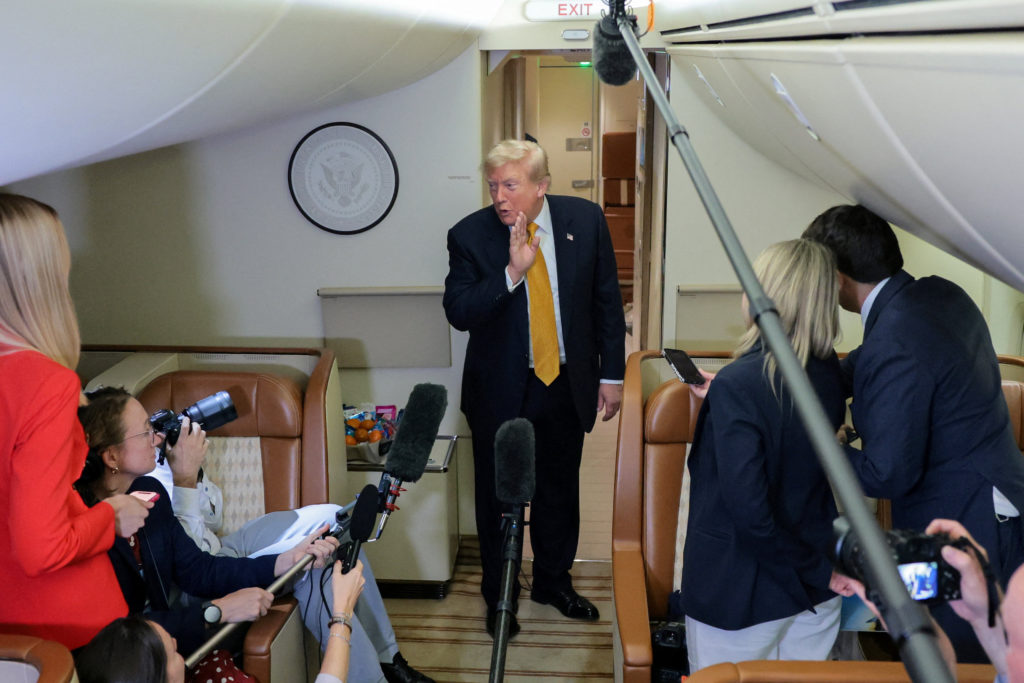
The Justice Department has subpoenaed four New York Times journalists to testify before a federal grand jury over their reporting on security concerns surrounding the Qatari-gifted jet slated to serve as the next Air Force One, a move press-freedom advocates called a direct threat to newsgathering.
The reporters — Julian E. Barnes, Eric Lipton, Tyler Pager and Eric Schmitt — were ordered to appear before a grand jury in Manhattan on Wednesday. Federal agents delivered some of the subpoenas directly to the journalists' homes, an aggressive tactic that the Times said underscored the seriousness of the government's leak hunt.
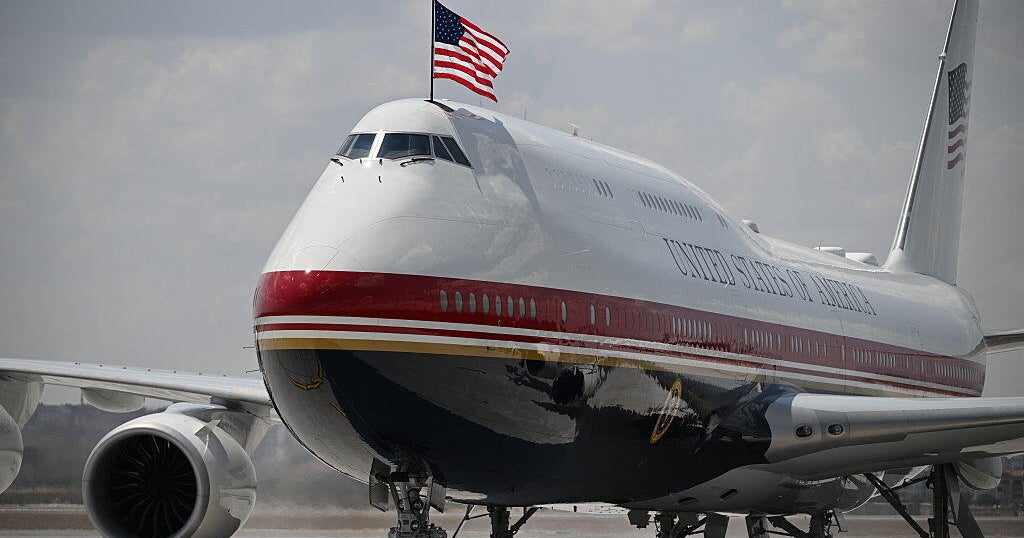
The subpoenas follow a series of Times stories reporting that the Secret Service urged President Trump to leave a recent NATO summit in Turkey aboard an older version of Air Force One rather than the Boeing 747 donated by Qatar, citing security concerns. Citing anonymous sources, the paper reported that the gifted aircraft lacked "defensive countermeasures that were security features of the old model, including its advanced antimissile capabilities." The reporting fueled a running controversy over the propriety and safety of accepting the roughly $400 million jet from a foreign government.
The orders came after FBI Director Kash Patel met with White House officials on Friday to discuss the bureau's investigation into who disclosed the plane's security shortcomings. The subpoenas make clear the administration is trying to compel the reporters to reveal their confidential sources — a step the department's own guidelines have historically reserved for extraordinary circumstances.
The New York Times said it would fight the subpoenas in court. "This is a direct threat to the ability of the free press to gather information in the public's interest," a spokesperson said, calling the demand "highly unusual." First Amendment lawyers noted that forcing journalists to testify about sources can chill whistleblowers and deter reporting on national security, and that such fights often end up before appellate courts.
Press-freedom groups warned that the case could set a precedent for using grand-jury subpoenas to unmask sources of embarrassing but non-classified information. The confrontation adds to mounting tension between the administration and mainstream news organizations, and it is likely to test the limits of the reporter's privilege recognized to varying degrees in federal courts. The reporters, all veteran national-security and investigative correspondents, have not commented publicly.
The dispute is inseparable from the plane at its center. The Boeing 747-8, valued at roughly $400 million, was accepted from Qatar earlier this year and is being retrofitted to serve as the next Air Force One, a gift that has drawn objections on both constitutional and security grounds. Longstanding Justice Department guidelines have generally required the attorney general's personal sign-off before prosecutors move to compel testimony from journalists, a safeguard adopted precisely to guard against the kind of source-hunting the Times says it is now facing.