Trump Considers Military Strikes on Iran Nuclear Sites as Tensions Escalate
President weighs options including deep underground nuclear storage facilities and missile sites as diplomatic efforts stall.

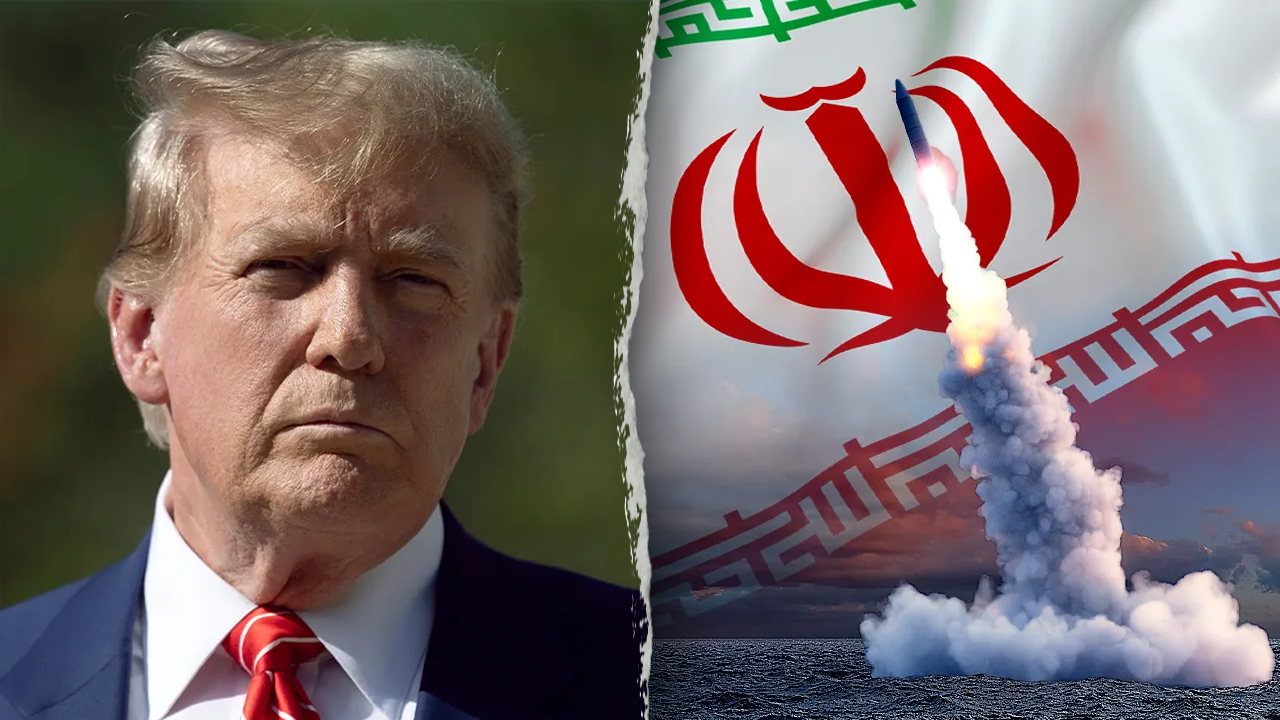
President Trump is actively weighing military options for new strikes against Iran, including targeting critical nuclear and missile infrastructure that has remained untouched in previous operations, according to administration officials. The deliberations come as tensions between the two nations continue to escalate despite ongoing peace talks that have largely excluded key regional partners.
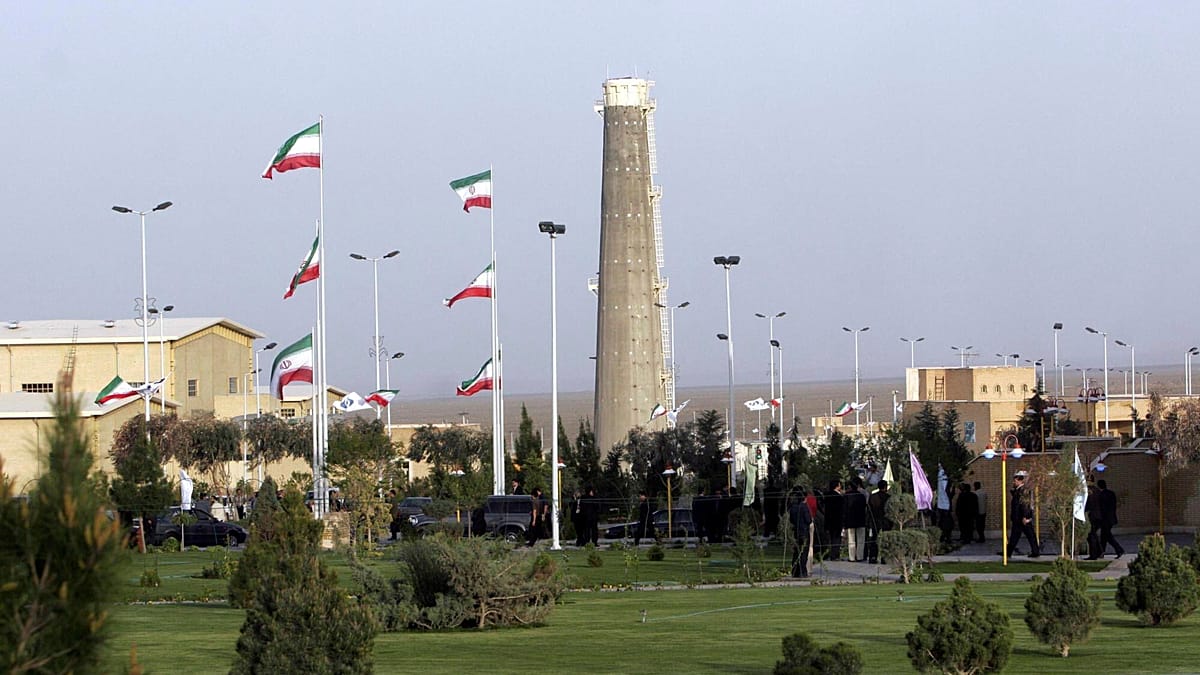
Among the potential targets under consideration are Iran's energy facilities that were spared in earlier strikes, the heavily fortified underground nuclear storage site at Isfahan, and missile installations that intelligence assessments suggest have been recently excavated or expanded. The Isfahan facility, buried deep underground, represents one of Iran's most sensitive nuclear assets and would require significant military resources to penetrate effectively.
The timing of these military considerations coincides with what sources describe as a critical diplomatic window that may be closing. Regional mediators have been working frantically to preserve fragile cease-fire agreements, but the exclusion of key allies from peace negotiations has complicated efforts to maintain stability. The disconnect between military planning and diplomatic outreach reflects the administration's struggle to balance deterrence with negotiation.
Military analysts note that strikes on Iran's nuclear infrastructure would represent a significant escalation from previous operations, which primarily targeted conventional military assets and proxy forces. The deep underground nature of facilities like Isfahan would require specialized bunker-busting weapons and could trigger unpredictable responses from Tehran, potentially drawing in regional allies and adversaries.
The deliberations reflect broader strategic challenges facing the Trump administration as it navigates competing pressures from congressional critics, international allies, and domestic political considerations. With diplomatic channels remaining active but fragile, the decision on whether to authorize expanded military action could define the trajectory of Middle East policy for the remainder of Trump's term.