Trump Seeks to Dismantle Iran's Nuclear Arsenal He Helped Create
President confronts massive uranium enrichment program that emerged after his 2018 withdrawal from nuclear accord.

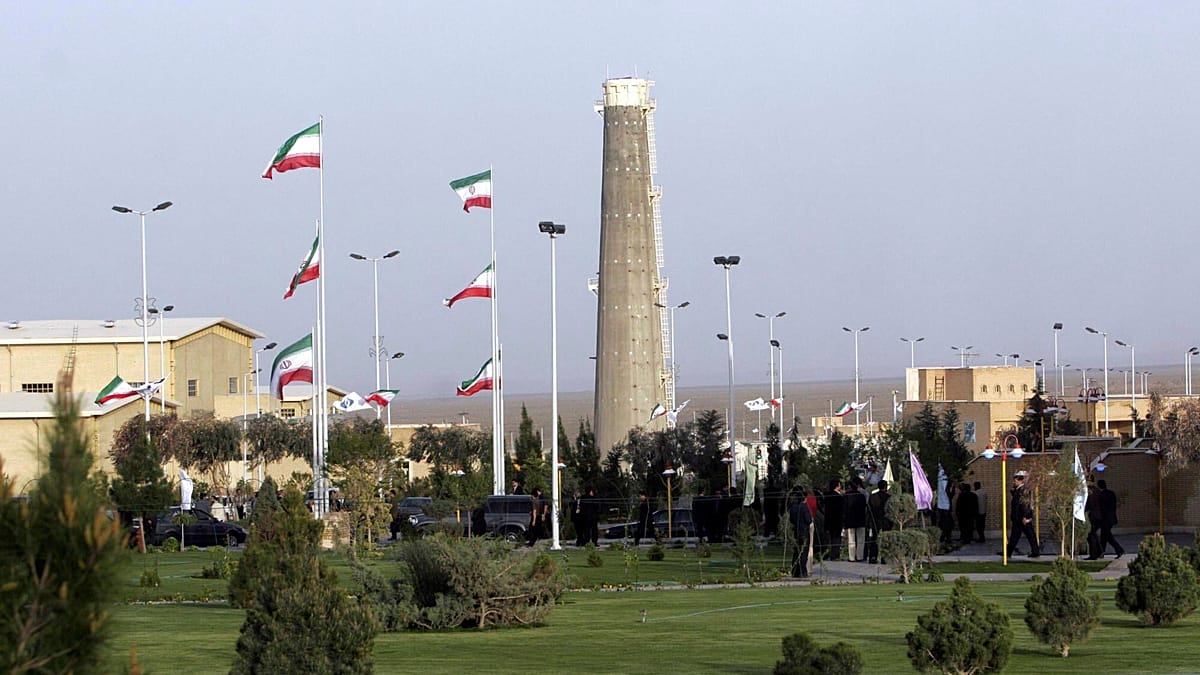
President Donald Trump is now grappling with Iran's dramatically expanded nuclear capabilities, a crisis that largely stems from his own decision to withdraw from the Obama-era nuclear agreement in 2018. The irony is not lost on foreign policy experts: Trump called the Joint Comprehensive Plan of Action "the worst deal ever" and abandoned it, only to face an Iran with far greater nuclear capacity than when he first took office. The current negotiations represent one of the most complex diplomatic challenges of Trump's second term, as his administration seeks to roll back uranium enrichment levels that have reached unprecedented heights.
When Trump pulled the United States out of the nuclear deal during his first presidency, Iran was largely complying with strict limits on its nuclear program. The accord had capped Iran's uranium stockpile at 300 kilograms and restricted enrichment to 3.67 percent purity, far below the 90 percent needed for weapons-grade material. However, following the U.S. withdrawal and the reimposition of crushing economic sanctions, Iran began systematically breaching these limits in what officials called a "maximum resistance" campaign.
Iran's response to Trump's initial withdrawal created what nuclear experts now describe as an "enrichment spree" that has fundamentally altered the strategic landscape in the Middle East. The Islamic Republic has accumulated thousands of kilograms of enriched uranium and has pushed enrichment levels to 60 percent purity, just steps away from weapons-grade material. This dramatic escalation has shortened Iran's potential "breakout time" to produce enough fissile material for a nuclear weapon from about a year under the original deal to potentially just weeks.
The current diplomatic efforts face enormous obstacles that didn't exist during the original negotiations. Iran's nuclear program has advanced significantly in both scope and sophistication, with new centrifuges and facilities that would be difficult to dismantle. Additionally, trust between Washington and Tehran has eroded substantially, with both sides harboring deep skepticism about the other's commitments. Iranian officials have repeatedly stated they will not accept anything less than a complete lifting of sanctions in exchange for nuclear concessions.
Trump's approach to resolving this crisis differs markedly from his first-term strategy of "maximum pressure." The stakes are considerably higher now, with Iran closer to nuclear capability than ever before. Intelligence assessments suggest that Iran could produce enough weapons-grade uranium for multiple nuclear devices within months if it chose to do so. This timeline has created urgency among U.S. allies, particularly Israel and European partners, who are pressing for immediate diplomatic action to prevent further escalation in an already volatile region.