Control of Strait of Hormuz and Iran's Uranium Stockpiles Emerge as Key Sticking Points in Failed Peace Talks
Iranian officials say they will only reopen the critical shipping lane after a final peace deal is reached, while the U.S. demanded immediate action.
/thetatva/media/post_attachments/wp-content/uploads/2025/06/Untitled-design-2025-06-22T210634.931-502222.jpg)
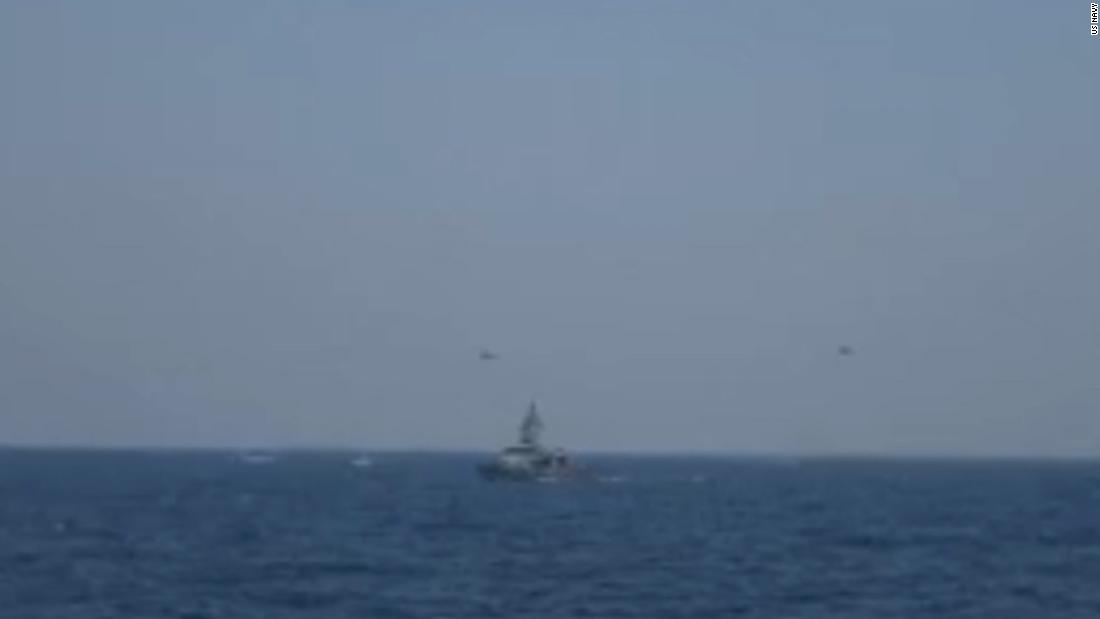
The collapse of marathon peace negotiations between the United States and Iran has exposed deep disagreements over two critical issues: control of the Strait of Hormuz and Iran's uranium stockpiles. According to Iranian officials, the U.S. had demanded that Iran immediately reopen the strait to all maritime traffic, but Tehran insisted it would only do so after a comprehensive peace agreement is finalized. The strategic waterway, through which about 20% of global oil passes, has become a central bargaining chip in the failed talks.
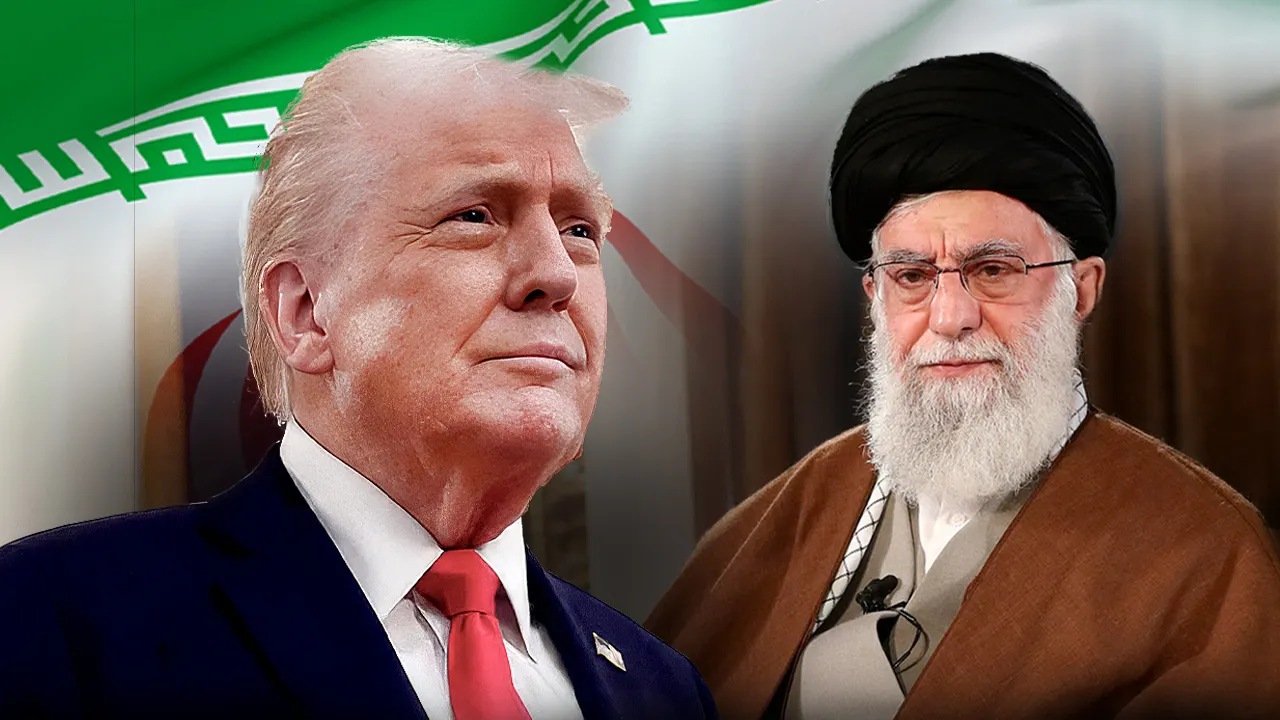
The 21-hour negotiation session in Islamabad, Pakistan, ended without breakthrough on Sunday, leaving the Trump administration with what officials described as several "unpalatable options." Vice President JD Vance, who led the U.S. delegation, departed Pakistan without securing the reopening of the strait or any commitment from Iran to reduce its uranium enrichment activities. The failure marks a significant setback for diplomatic efforts to end the conflict that has roiled global energy markets.
Iranian negotiators viewed the American demands as overreaching, according to sources familiar with the talks. Tehran's position appears to be that any concessions on the Strait of Hormuz must be part of a broader agreement that addresses Iran's security concerns and provides sanctions relief. The uranium stockpile issue has similarly proven intractable, with Iran reportedly unwilling to make immediate commitments without reciprocal guarantees from Washington.
The strategic importance of the Strait of Hormuz cannot be overstated for global commerce and energy security. The narrow waterway connects the Persian Gulf with the Arabian Sea and serves as a vital chokepoint for oil tankers heading to markets worldwide. Iran's ability to disrupt shipping through the strait has given Tehran significant leverage in the negotiations, even as international pressure mounts for a resolution.
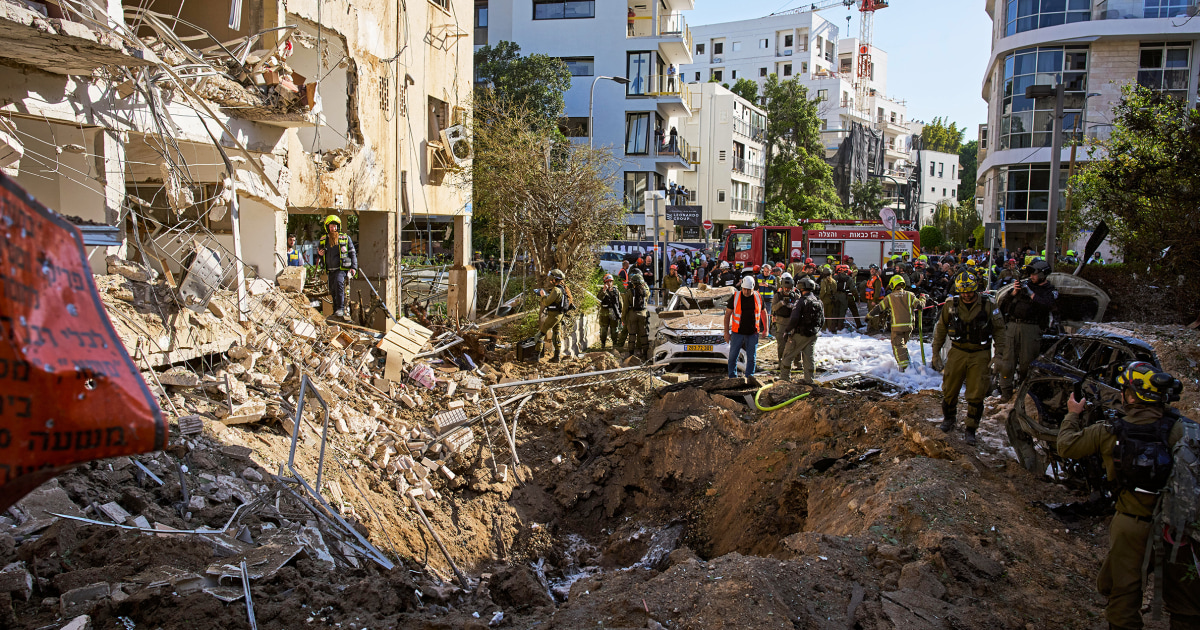
With diplomatic options appearing exhausted for now, analysts warn that the conflict could escalate further. Iranian officials have suggested they are prepared to withstand additional military pressure, gambling that they can outlast Washington's willingness to sustain the economic chaos caused by the ongoing crisis. The failure of the Islamabad talks leaves both sides facing difficult choices about how to proceed, with global markets closely watching for any signs of renewed military action or diplomatic breakthrough.