Vance Iran Peace Talks End in Failure After 21 Hours of High-Stakes Negotiations
Vice President's historic diplomatic mission collapses over uranium stockpiles and Strait of Hormuz reopening, leaving Trump administration with limited options.

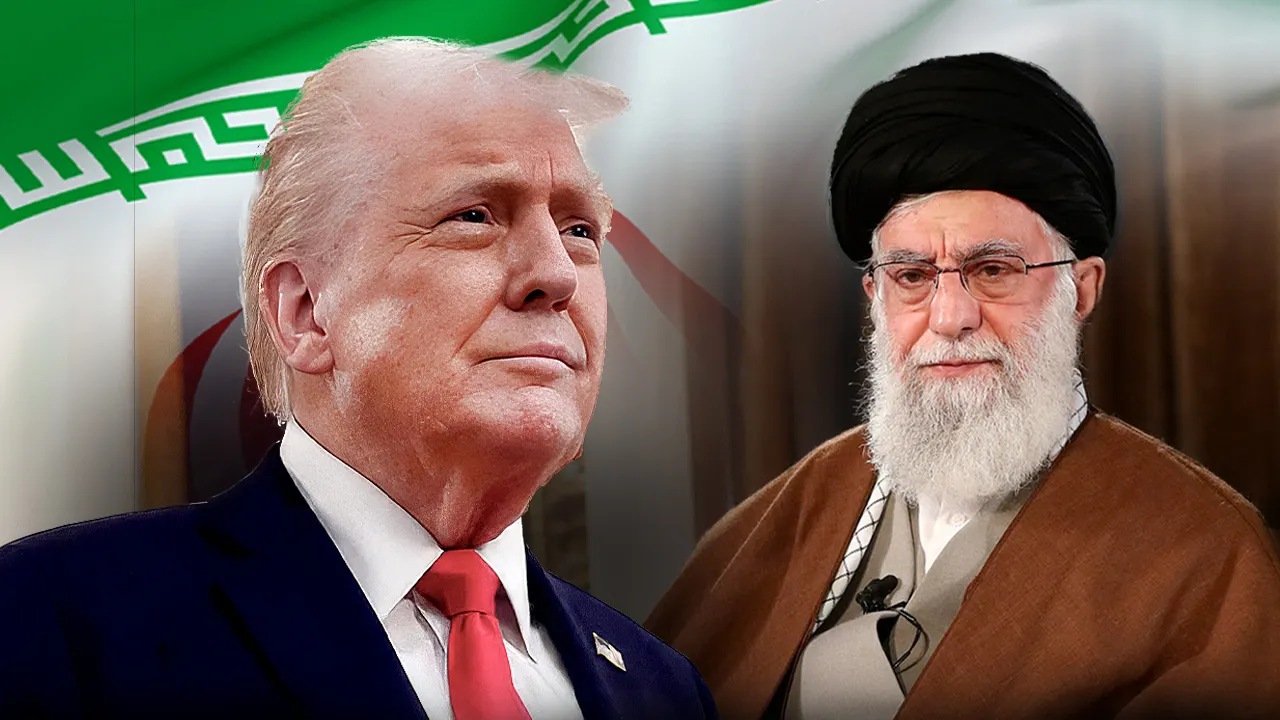
Vice President JD Vance's unprecedented diplomatic mission to end the Iran conflict has concluded without agreement after 21 hours of intensive negotiations in Pakistan. The talks, described as the highest-level discussions between the United States and Iran in nearly five decades, broke down over fundamental disagreements about uranium stockpiles and control of the Strait of Hormuz. The failure leaves the Trump administration facing what officials describe as several "unpalatable options" for resolving the ongoing conflict.
The negotiations centered on two critical sticking points that proved insurmountable. The United States demanded that Iran immediately reopen the Strait of Hormuz to all maritime traffic, while Iranian officials insisted they would only do so after a comprehensive final peace agreement was reached. The strategic waterway, through which roughly 20% of global oil passes, has been a major point of contention throughout the conflict. Additionally, Iran's uranium stockpiles emerged as another major obstacle, with American negotiators seeking immediate restrictions that Iranian officials were unwilling to accept.
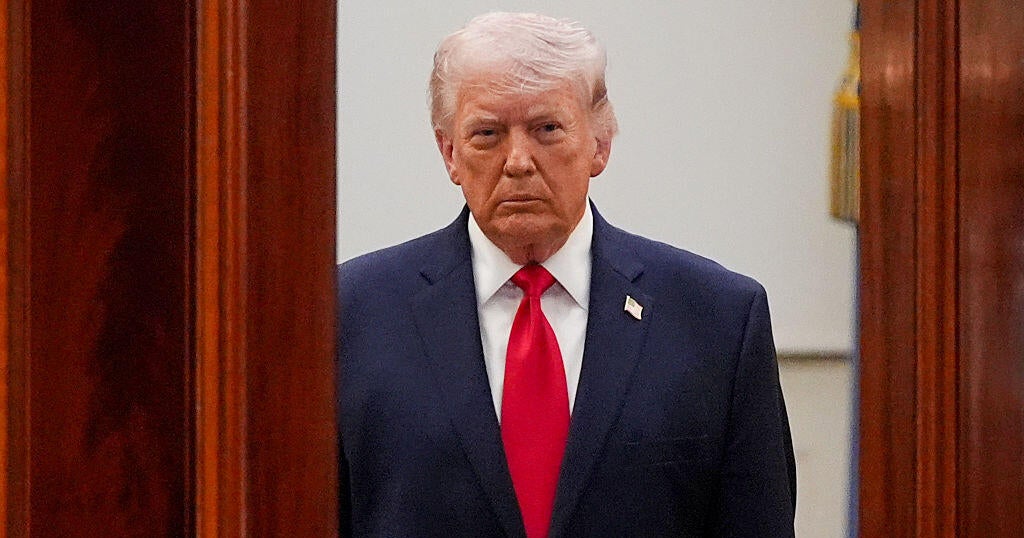
The diplomatic breakdown occurred while President Trump was attending a UFC fight in Miami, where he told reporters that the outcome of the talks "did not matter" to him. "We win, regardless," Trump said on his way to Florida, suggesting the administration had prepared for the possibility of failure. The president's casual demeanor contrasted sharply with the gravity of the situation, as the collapse of talks effectively eliminates the most promising diplomatic avenue for ending the conflict.
Iran's top negotiator suggested that further discussions remained possible despite the current impasse. However, Iranian officials indicated they viewed American demands as excessive, reaching "far beyond what the United States achieved in war." Tehran appears to be gambling that it can withstand continued military pressure better than Washington can tolerate ongoing economic disruption from the conflict.
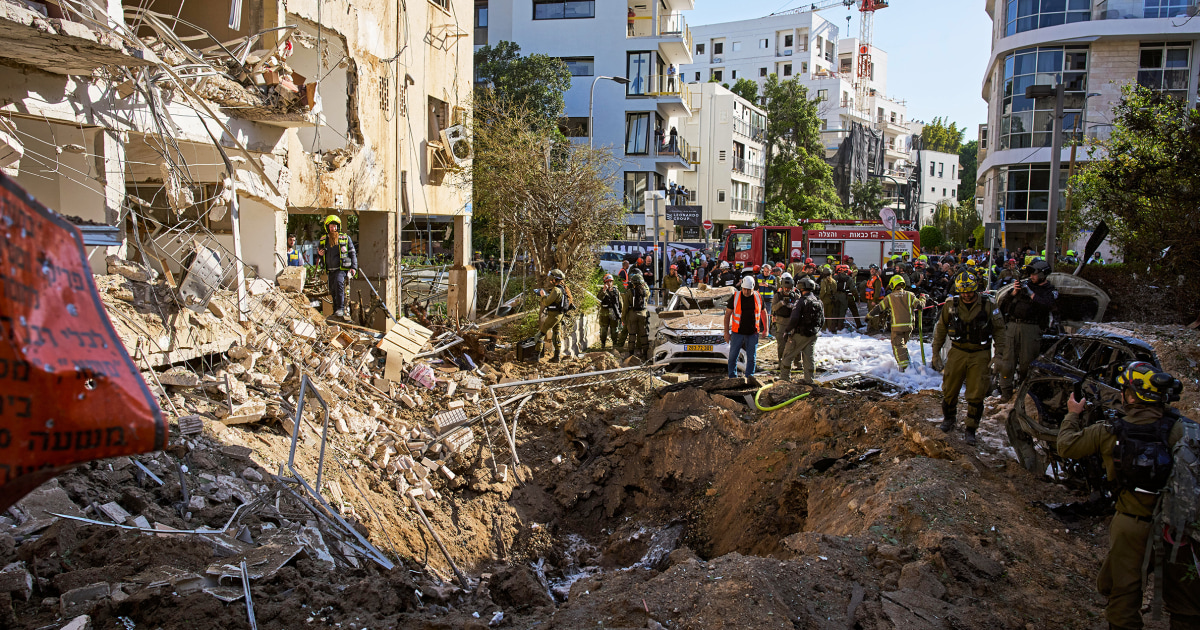
The failure of the Pakistan talks represents a significant setback for the Trump administration's foreign policy agenda and raises questions about next steps. With diplomatic options now severely limited, the administration faces pressure to either escalate military action or accept a prolonged conflict that continues to disrupt global energy markets. The collapse also leaves Pakistan, which hosted the historic talks, dealing with its own diplomatic and economic challenges as both delegations departed Islamabad without resolution.
/thetatva/media/post_attachments/wp-content/uploads/2025/06/Untitled-design-2025-06-22T210634.931-502222.jpg)