JD Vance to Lead US Delegation in Islamabad for Historic Iran Peace Talks Saturday
The vice president joins Witkoff and Kushner at Pakistan-hosted negotiations as Iran's parliament speaker arrives in Islamabad — and both sides arrive with fundamentally incompatible demands.
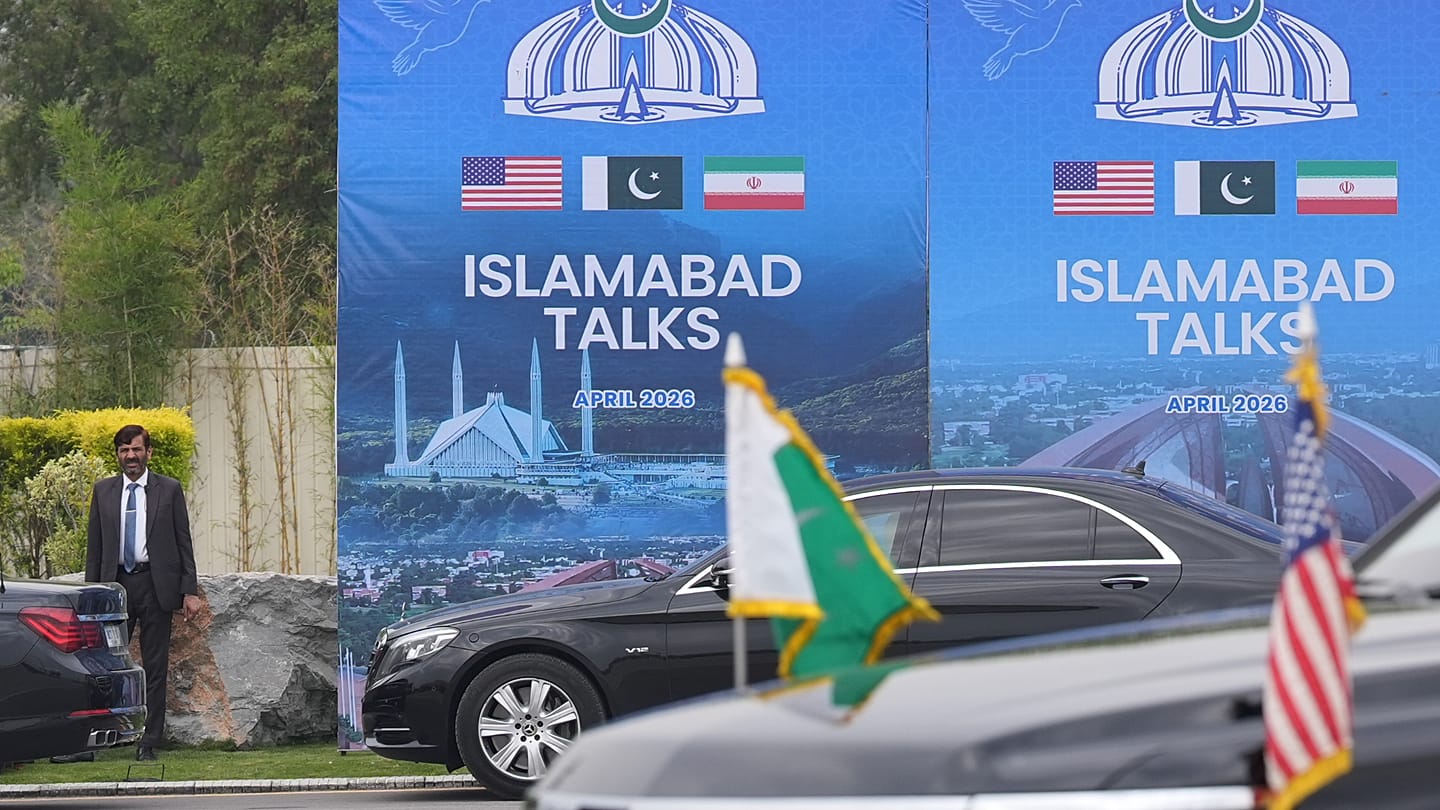
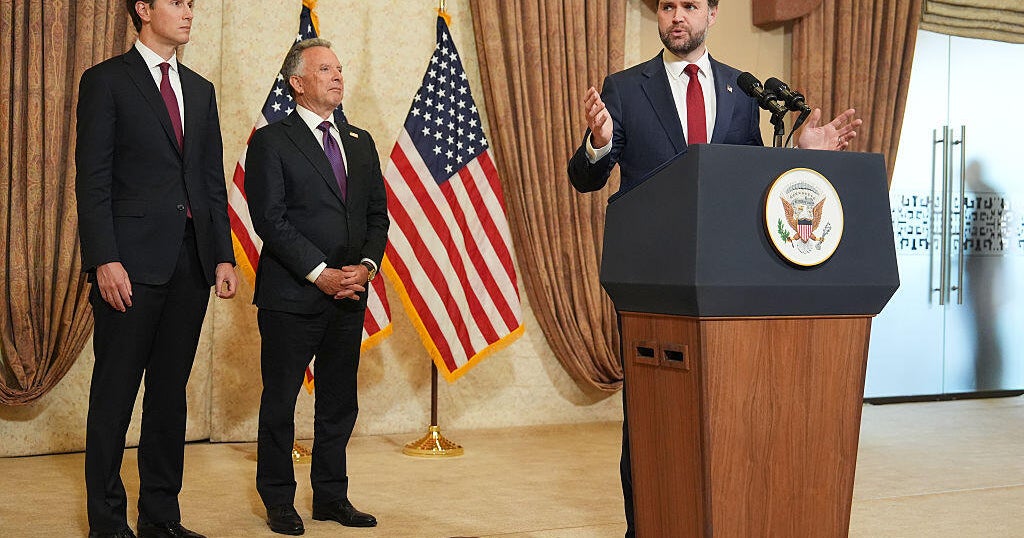
Vice President JD Vance will lead the American delegation to Islamabad this Saturday for the first formal peace negotiations between the United States and Iran since the six-week Middle East war began in late February, bringing with him special envoy Steve Witkoff and Jared Kushner, the president's son-in-law and senior diplomatic aide. The talks, brokered by Pakistani Prime Minister Shehbaz Sharif, represent the most significant diplomatic effort yet to convert the fragile two-week ceasefire into a durable end to hostilities.
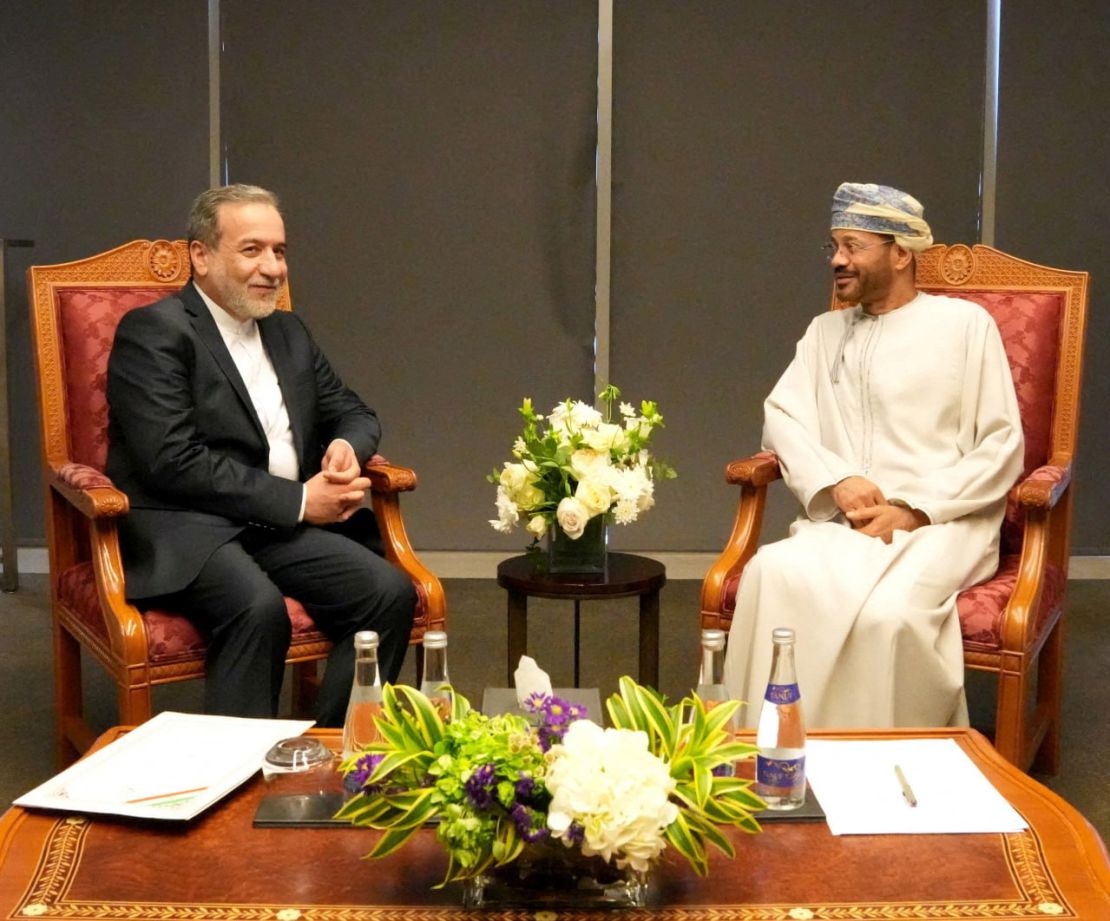
Iran's delegation will be led by Parliament Speaker Mohammad Bagher Ghalibaf and is expected to include Foreign Minister Abbas Araghchi, who has been Iran's principal interlocutor throughout the conflict. The Iranian delegation arrived in Islamabad on Thursday, according to Iran's ambassador to Pakistan. Tehran's decision to send Ghalibaf — a powerful political figure with close ties to the Islamic Revolutionary Guard Corps — reflects both the seriousness with which Iran views the talks and the internal political complexities the Iranian government is navigating.
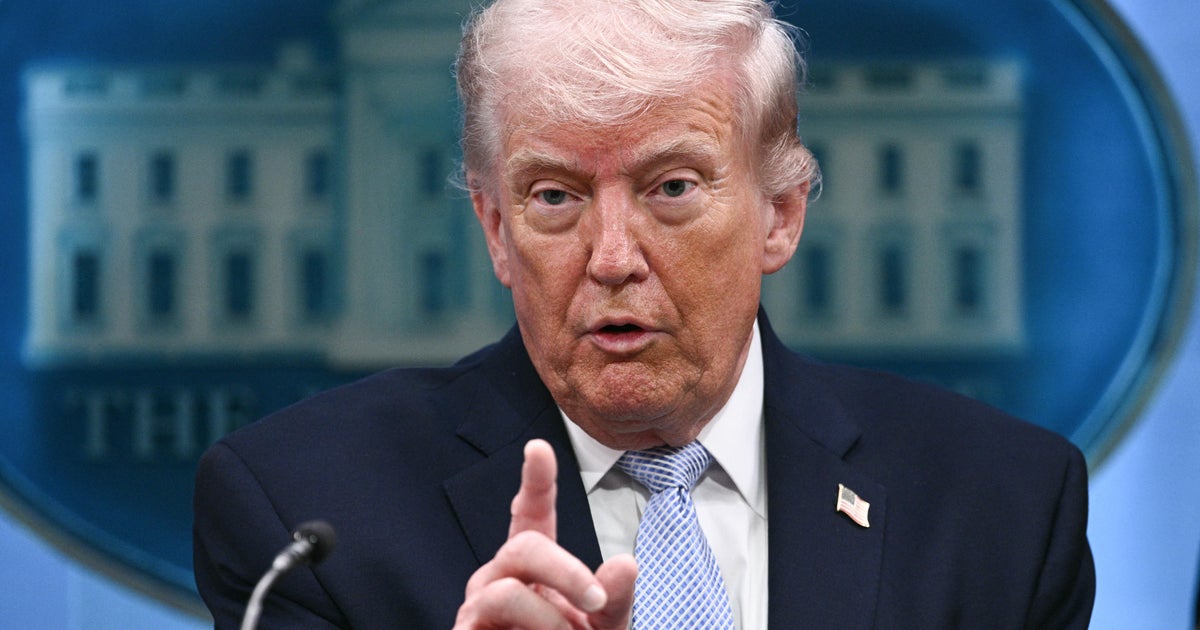
The choice of Vance to lead the American side carries distinct diplomatic significance. Iranian officials, privately skeptical of Witkoff and Kushner as negotiating partners, have signaled that they view Vance as more genuinely interested in ending the conflict. Vance has been among the voices within the administration urging restraint on further military escalation, positioning him as a credible interlocutor from Tehran's perspective, even though he is explicitly committed to Trump's stated goals of preventing Iranian nuclear weapons development and ensuring freedom of navigation through the Strait of Hormuz.
Pakistan's role as mediator marks a remarkable diplomatic rehabilitation for a country that has frequently been sidelined from major international negotiations. Prime Minister Sharif has invested enormous political capital in this effort, having convened foreign ministers from Turkey, Saudi Arabia and Egypt in Islamabad on March 29 in a coordinated regional push toward peace. Hundreds of additional police and paramilitary forces have been deployed throughout the capital ahead of the talks. "Exercise restraint and respect the ceasefire for two weeks," Sharif said in his formal invitation to both sides, explicitly stating that the ceasefire encompasses Lebanon — a position that directly contradicts Israel's stance.
The agenda heading into Saturday is deeply contested. Iran has presented what it calls a ten-point proposal addressing nuclear activities, sanctions relief, and security guarantees. The White House press secretary Karoline Leavitt said that proposal was "thrown in the garbage" and that the actual agreed framework is different. Both sides have publicly offered incompatible accounts of what the ceasefire terms require, creating significant uncertainty about whether substantive negotiations are even possible. Iran insists Lebanon must be included in any ceasefire agreement; the U.S. and Israel maintain that ongoing operations against Hezbollah fall outside the truce's scope.
Financial markets have risen steadily in anticipation of the talks, with the S&P 500 extending gains into a seventh consecutive day on Thursday as oil closed below $100 per barrel — down sharply from the $117 peak reached before the ceasefire was announced. Analysts are watching for any concrete agreement on the Strait of Hormuz, which remains barely functional with only a handful of vessels transiting each day despite the ceasefire announcement. The Trump administration has warned Tehran repeatedly that charging fees to shipping using the waterway is unacceptable. Iran's position that ships must coordinate with its armed forces before transiting has effectively kept much commercial traffic away.
The stakes in Islamabad this weekend could not be higher. If Vance and his counterparts can agree on even a basic framework for broader negotiations — including Lebanon, nuclear activities and sanctions — it would represent one of the most consequential diplomatic achievements of the Trump presidency. If the talks collapse, the two-week ceasefire could quickly unravel, risking a return to open conflict and renewed oil price spikes that economists warn would trigger a global recession.