U.S. and Israel Strike Natanz Nuclear Site Again as Trump Outlines 5 Conditions to 'Wind Down' — But Deploys 2,500 More Marines
The Shahid Ahmadi Roshan enrichment complex was struck for the second time since Operation Epic Fury began, with Iran reporting no radiation leak, even as Trump posted on Truth Social that the U.S. is 'getting very close to meeting our objectives' while simultaneously sending three more warships toward the Gulf.

U.S. and Israeli forces struck Iran's Natanz nuclear enrichment facility for the second time since the war began, Iranian state media confirmed Saturday morning, as President Donald Trump simultaneously outlined five specific military objectives that must be met before the United States considers withdrawing from Operation Epic Fury — even as the Pentagon dispatched 2,500 additional Marines and three more amphibious assault ships toward the Persian Gulf.
The strike on Natanz, the Shahid Ahmadi Roshan enrichment complex located roughly 220 kilometers southeast of Tehran, was reported by Iran's Tasnim news agency. Iranian officials stated there was no leakage of radioactive materials following the attack, and the International Atomic Energy Agency confirmed it detected no increase in off-site radiation levels. The facility was first damaged in the opening week of the war, with satellite images showing multiple destroyed buildings; Saturday's strike represented a follow-up effort to ensure the enrichment infrastructure cannot be restored. The IAEA reiterated its call for military restraint to avoid any risk of a nuclear accident.
Trump, speaking to reporters Friday, said the United States was 'getting very close to meeting our objectives as we consider winding down our great Military efforts in the Middle East.' The White House subsequently released five specific conditions: complete degradation of Iran's ballistic missile capabilities, destruction of Iranian air defense infrastructure, elimination of the Islamic Revolutionary Guard Corps' naval forces from the Strait of Hormuz, verified prevention of any nuclear weapons capability, and security guarantees for U.S. allies including Israel, Saudi Arabia, and the Gulf states. Trump told reporters he does not want a formal ceasefire — 'We could have dialogue, but I don't want to do a ceasefire' — and a senior Iranian official told CNN that Tehran does not believe the wind-down signals are genuine.
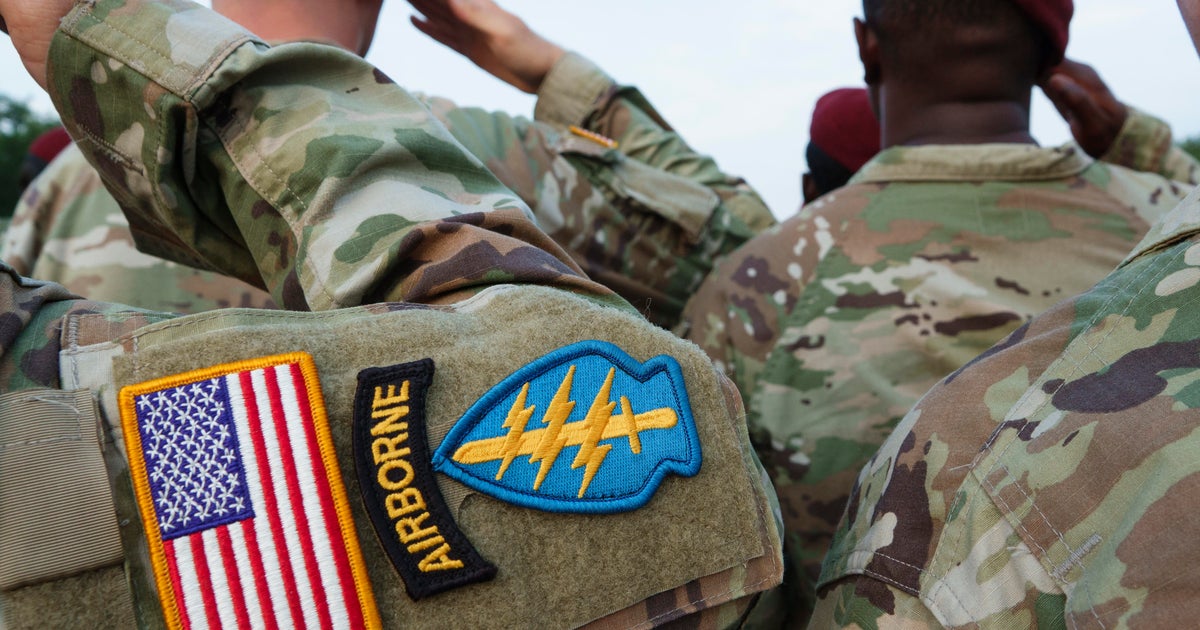
The contradiction between Trump's rhetoric and the Pentagon's actions was stark. Defense Secretary Pete Hegseth, briefing reporters this week, said the U.S. has now struck more than 7,000 targets across Iran, with Joint Chiefs Chairman Dan Caine reporting the use of 5,000-pound penetrator munitions against underground facilities. The Department of Defense is requesting an additional $200 billion in emergency war supplemental funding. The USS Boxer carrier group departed California this week carrying the 11th Marine Expeditionary Unit on a three-week transit to the Persian Gulf, joining the USS Tripoli group that already delivered roughly 2,200 Marines from Japan. U.S. casualties in Operation Epic Fury have reached 13 killed and 232 injured, with 207 returned to duty.
The oil market impact intensified Saturday. Brent crude settled at $112.19 a barrel — a 48 percent surge from its level when the war began on February 28 — while the national average gasoline price hit $3.91 per gallon, up from $2.92 a month ago. United Airlines CEO Scott Kirby warned his company is stress-testing scenarios involving oil at $175 per barrel. The Trump administration attempted to stabilize markets Friday by temporarily lifting sanctions on roughly 140 million barrels of Iranian crude already loaded on ships at sea, a move Treasury Secretary Scott Bessent said would unlock more than $14 billion in stranded oil for global markets through April 19. Goldman Sachs separately warned that global oil prices may remain above $100 per barrel through 2027 regardless of how the conflict resolves.
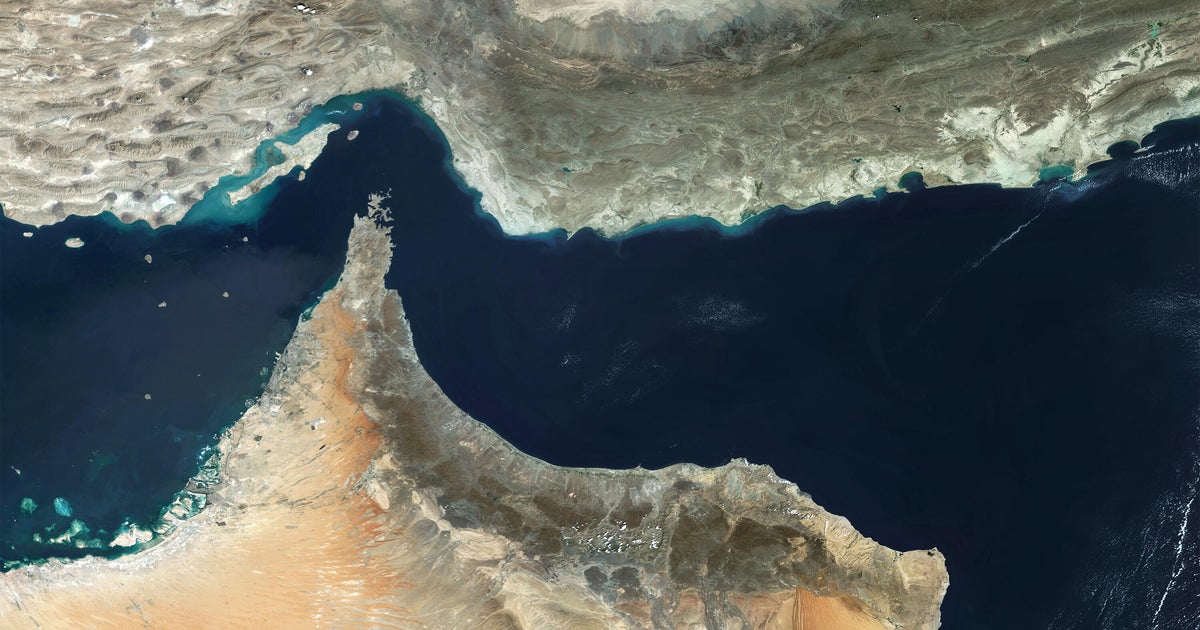
Twenty-two nations issued a joint statement Saturday condemning Iran's attacks on commercial shipping in the Persian Gulf and calling for the immediate reopening of the Strait of Hormuz, through which approximately one-fifth of the world's oil and liquefied natural gas typically flows. The United Kingdom announced it would authorize the United States to use British military bases in the region for strikes against Iranian missile sites targeting commercial vessels — a decision that prompted Iran to fire two intermediate-range ballistic missiles at the Diego Garcia U.S.-U.K. base in the Indian Ocean. Neither missile struck the base. Israeli Defense Minister Israel Katz warned that Israeli strikes against Iran would 'increase significantly' in the coming week, directly contradicting Trump's wind-down messaging and underscoring how far the coalition remains from meeting all five conditions Trump outlined.