Drone Strike Sparks Fire at UAE's Barakah Nuclear Plant in First Attack on an Arab Gulf Reactor
A loitering munition slipped past UAE air defenses and ignited a generator outside the four-reactor Barakah complex Sunday, prompting an IAEA condemnation, an oil-market jolt and pointed warnings from Washington as Iran denied involvement and a fragile ceasefire wobbled.

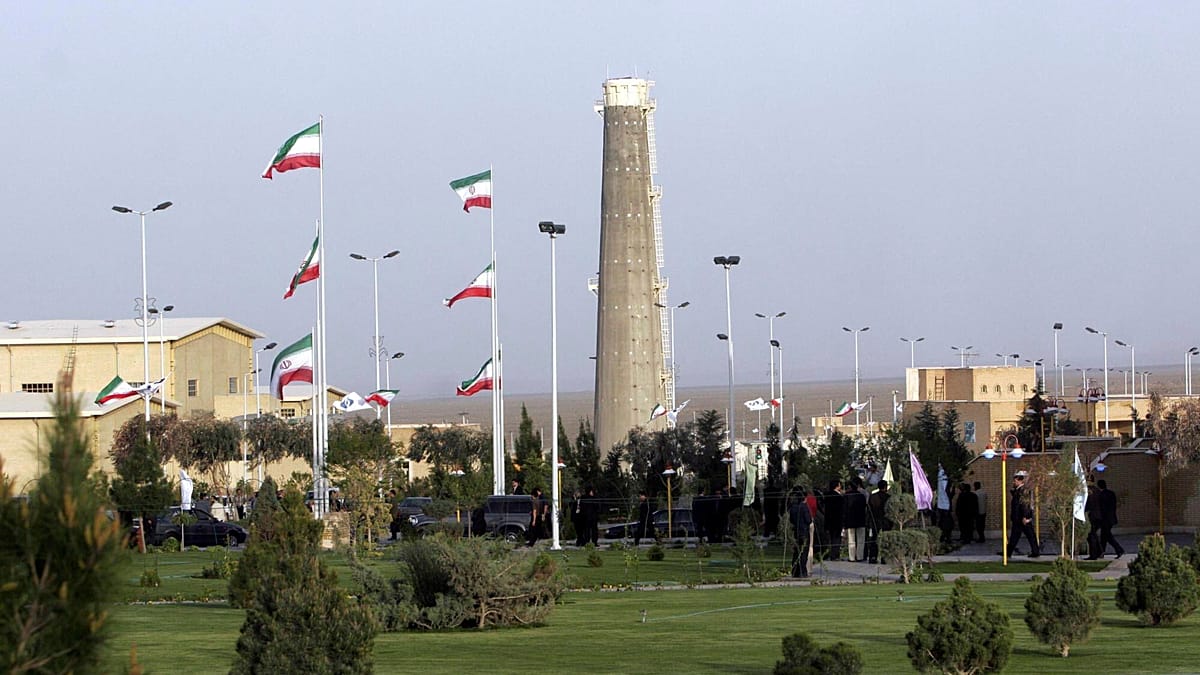
ABU DHABI, United Arab Emirates — A drone strike sparked a fire on the perimeter of the Barakah Nuclear Energy Plant in the western United Arab Emirates on Sunday, the country's defense ministry said, in the first known attack on an Arab Gulf nuclear facility and a dangerous escalation of the months-long Iran war that the UAE had been trying to avoid.
In a statement issued late Sunday afternoon, the UAE Ministry of Defense said its air defenses had "successfully engaged" two drones over the Al Dhafra region but that a third had struck an electrical generator located outside the inner security perimeter of the four-reactor Barakah complex. The blow ignited a fire that was extinguished within two hours, the ministry said. No injuries were reported, and the Federal Authority for Nuclear Regulation said radiological monitoring stations recorded no change in radiation levels and that all four reactors continued to operate normally.
The International Atomic Energy Agency in Vienna said its director general, Rafael Mariano Grossi, was "gravely concerned" by the strike and reiterated that "military activity that threatens nuclear safety is unacceptable, anywhere, at any time." Grossi said the agency had been in touch with Emirati regulators and stood ready to send inspectors. The Barakah plant, built by a consortium led by Korea Electric Power Corporation, generates roughly a quarter of the UAE's electricity and is the first commercial nuclear power station in the Arab world.
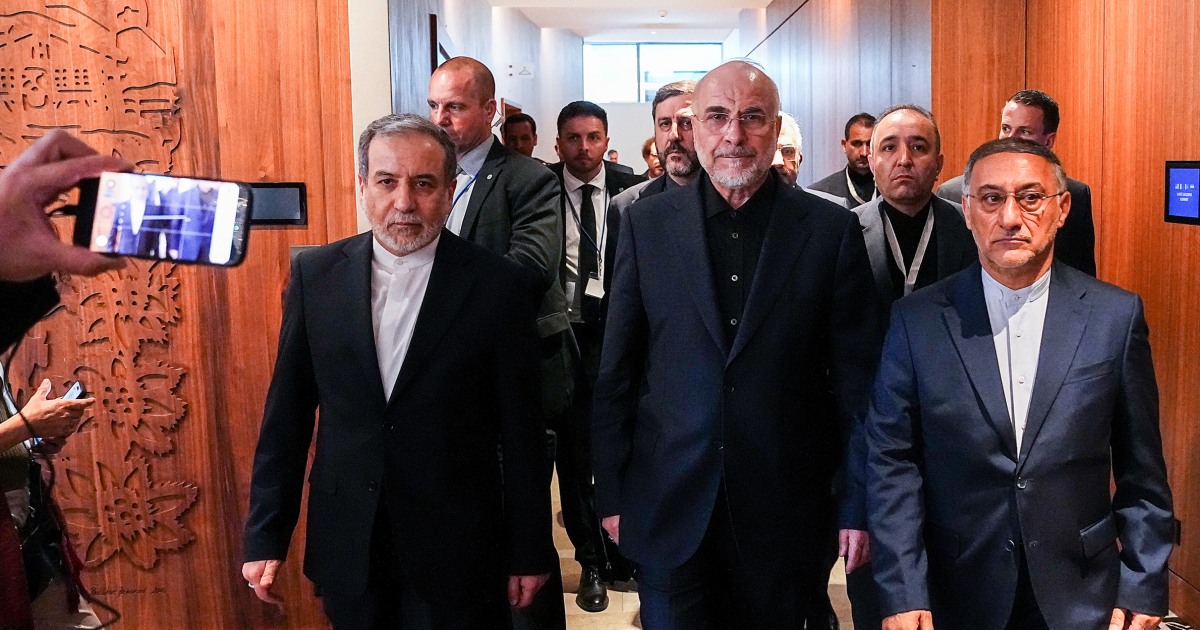
No group immediately claimed responsibility. The UAE statement pointedly did not blame any country, but Emirati and Western officials, speaking on the condition of anonymity, said the drones had been tracked on a flight path consistent with launch from Iranian-controlled territory and bore characteristics matching the Iranian-designed Shahed-136 loitering munition. Iran's foreign ministry, in a statement carried by the state news agency IRNA, denied any involvement and accused "the Zionist enemy" of staging the attack as a pretext for renewed strikes on Iranian targets.
The strike comes at an exceptionally fragile moment in the regional conflict. The U.S. and Israel concluded the formal phase of Operation Epic Fury, their joint air campaign against Iran's nuclear program, on May 5, and a Pakistan-brokered ceasefire that began April 8 has been extended indefinitely by President Donald Trump. But Israeli officials told The New York Times this week that Israel and the United States are preparing to renew strikes "as soon as next week" if Iran does not return to nuclear talks, and the Islamic Revolutionary Guard Corps warned Friday that any new attack would draw a broader regional response. The UAE has hosted U.S. Patriot and Israeli Iron Dome batteries since March.
The attack triggered an immediate diplomatic response. Trump, in a brief statement aboard Air Force One returning from Bedminster, N.J., called the strike "a grave act" and pledged that the United States would "stand fully with our Emirati friends." Saudi Arabia's foreign ministry condemned the attack as "a flagrant violation of international law," and Egypt and Jordan issued similar statements. Markets in Asia opened sharply lower overnight on fears of a fresh oil shock; Brent crude briefly traded above $112 a barrel before settling near $108, and the Strait of Hormuz tanker queues lengthened as several shipping companies suspended Gulf transits pending further information.