Cuba Accuses Trump Administration of Bad Faith Negotiations
Cuba's UN ambassador claims Havana wants to negotiate but the Trump administration is creating pretexts for military action.
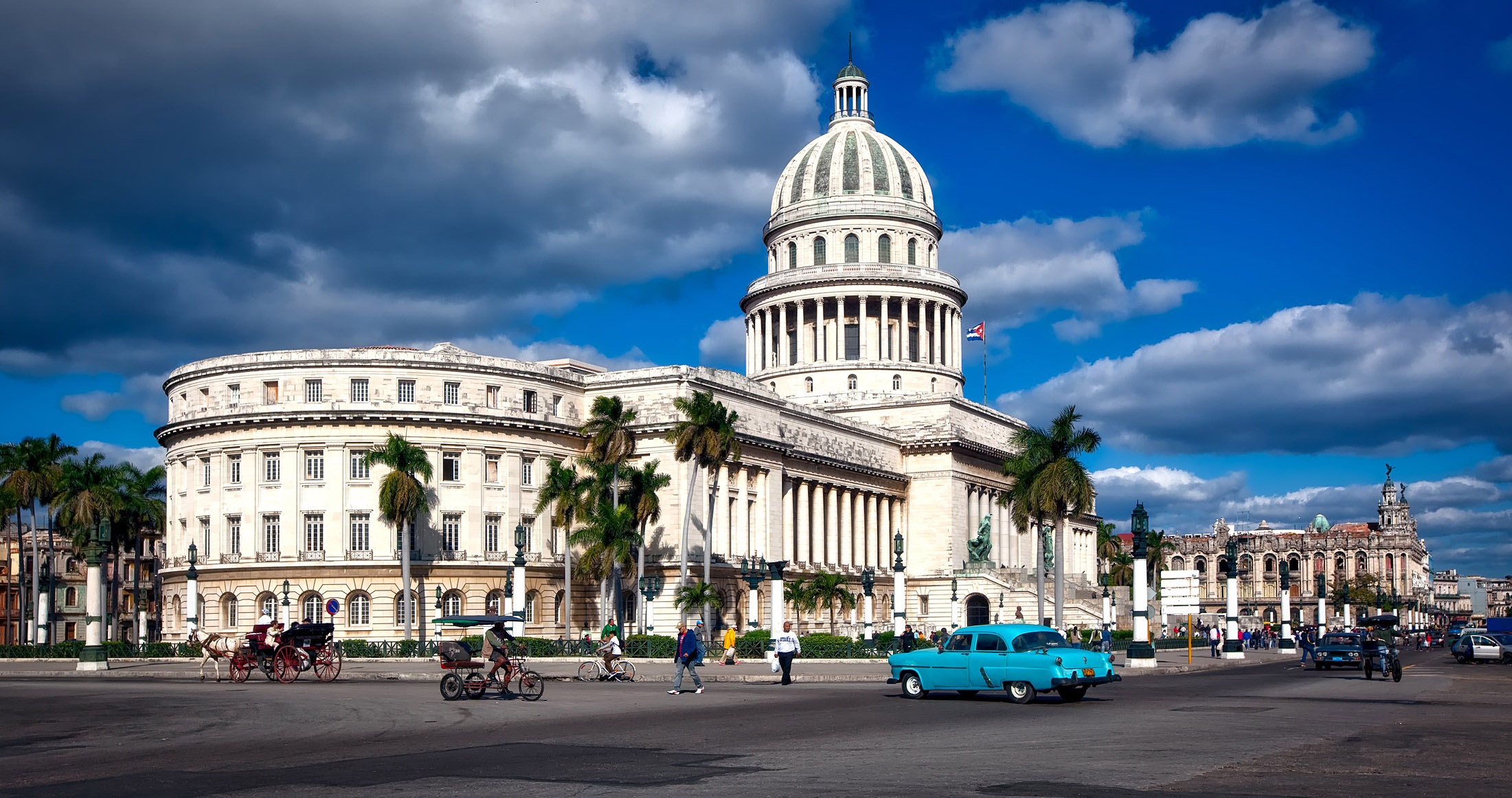
Cuba's ambassador to the United Nations delivered a sharp rebuke of the Trump administration Tuesday, claiming in an exclusive interview that while Havana remains willing to engage in diplomatic talks, the current U.S. leadership is negotiating in bad faith and creating pretexts for potential military action. The accusation marks a significant escalation in tensions between the two nations as Cuba grapples with severe internal crises.
Ambassador Guzman's comments came as the island nation faces mounting economic pressures, with widespread shortages of gasoline, soaring prices, and persistent electricity outages plaguing daily life for Cuban citizens. The dire conditions have created what analysts describe as the most challenging period for the Cuban government in decades, potentially making diplomatic engagement with the United States more critical than ever before.
Secretary of State Marco Rubio has emerged as the Trump administration's point person on Cuba policy, pursuing what sources describe as a decades-long personal goal of transforming the island nation. In a rare direct video address to the Cuban people, Rubio blamed former leader Raúl Castro for the country's chronic electricity and resource shortages. The secretary of state, whose parents immigrated from Cuba before the Castro revolution, has approached the crisis "with the zeal of a political exile," according to administration officials.
The diplomatic tensions have historical echoes, particularly regarding incidents like the 1996 downing of civilian aircraft by Cuban forces. That confrontation followed months of diplomatic wrangling between the Cuban government and the Clinton administration over volunteer flights to the island. Current negotiations have reportedly involved several meetings between Cuban officials and U.S. representatives, though the talks have failed to produce meaningful progress.
Cuba's current economic crisis represents the worst conditions on the island in years, with citizens facing daily struggles to obtain basic necessities. The combination of fuel shortages, electrical grid failures, and inflation has created widespread hardship that Cuban officials argue demonstrates the need for constructive U.S. engagement rather than increased pressure. The Trump administration's approach, however, appears focused on leveraging Cuba's vulnerabilities to extract maximum concessions, leading to the current diplomatic stalemate.