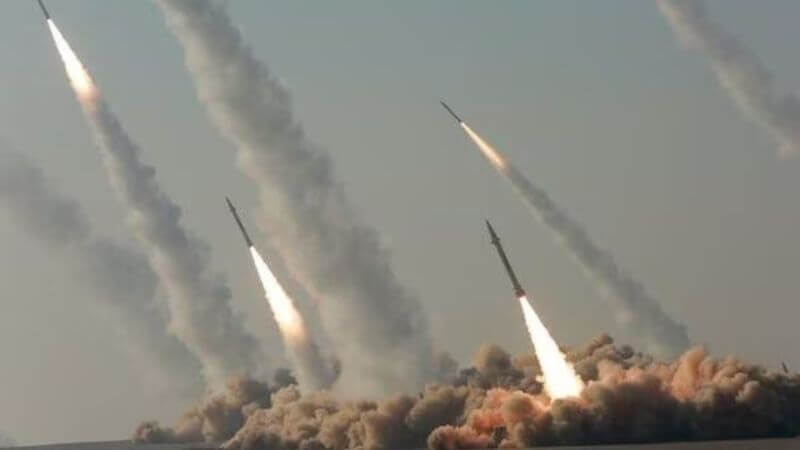
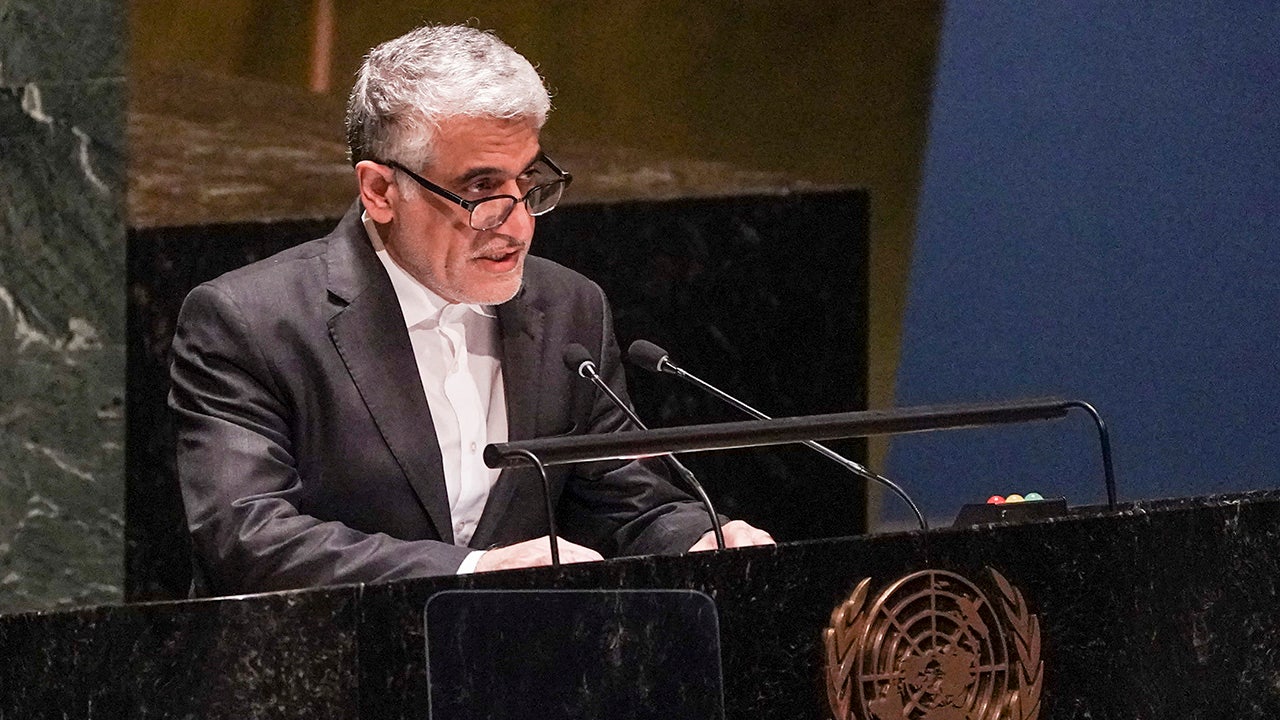
Trump Cancels Iran Strike at Gulf States' Request as Tehran Sends Revised 14-Point Peace Proposal Through Pakistani Mediators
President Trump said Tuesday he halted a planned U.S. military strike on Iran after Saudi, UAE and Qatari leaders called to plead for restraint, while Iran handed Washington a sweeping new offer demanding all war, sanctions and nuclear issues be resolved within 30 days.
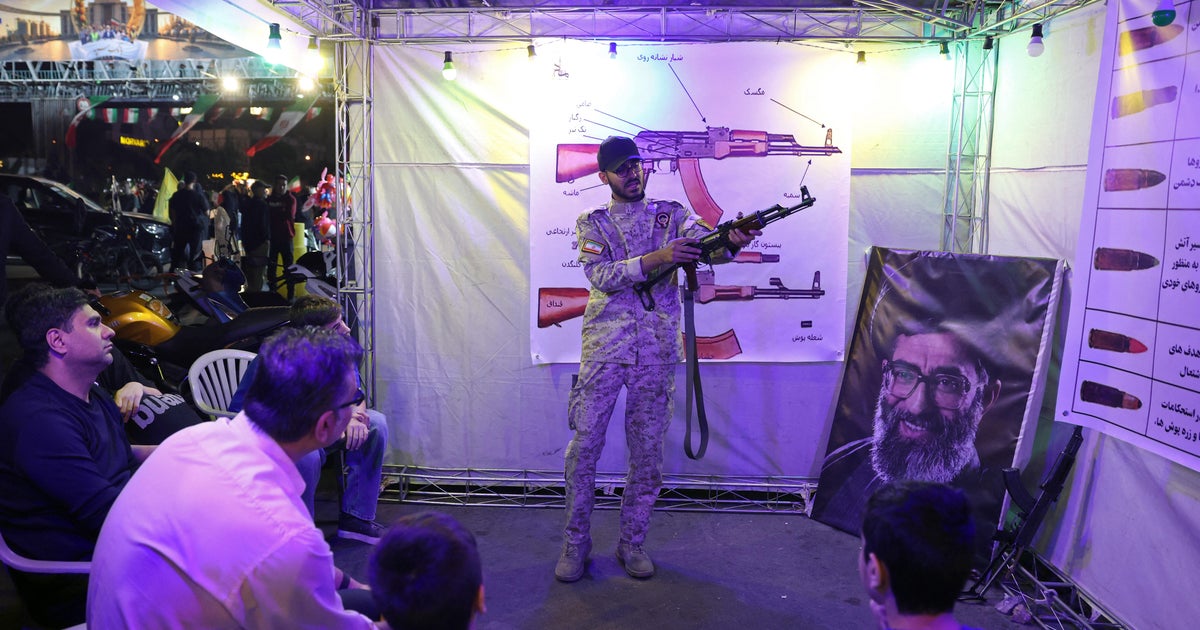
President Donald Trump abruptly called off a planned U.S. military strike on Iran scheduled for Tuesday, May 19, after the leaders of Qatar, Saudi Arabia and the United Arab Emirates personally pressed him to hold fire while Tehran circulated a revised 14-point peace proposal through Pakistani mediators. In a post on Truth Social, Trump said he had instructed Defense Secretary Pete Hegseth and Joint Chiefs Chairman Gen. Dan Caine to stand down because "serious negotiations are now taking place" and there was a "very good chance" of a deal that would prevent Iran from acquiring a nuclear weapon.
The Gulf intervention came together rapidly over the weekend. Saudi Crown Prince Mohammed bin Salman, UAE President Sheikh Mohamed bin Zayed Al Nahyan and Qatari Emir Sheikh Tamim bin Hamad Al Thani each phoned the White House on Monday warning that another wave of U.S. strikes would tip the eight-week-old war past the threshold their economies could absorb, U.S. and Gulf officials said. Brent crude, which had already crossed $100 a barrel last week, sat near $103 on Tuesday morning as traders awaited word on whether the negotiating window would hold.
Iran's revised offer, hand-carried to Washington by Pakistani Foreign Minister Ishaq Dar, runs to fourteen points and demands that nuclear, sanctions and Strait of Hormuz issues all be resolved inside a 30-day window, according to text seen by Al Jazeera and the Iranian state-linked Nour News. Tehran offered to suspend uranium enrichment above 3.67 percent and accept enhanced IAEA cameras at Fordow and Natanz in exchange for a phased lifting of energy and banking sanctions and a U.S. pledge to halt offensive operations within 72 hours of a signed framework. A senior administration official told reporters the proposal "still falls short" on enrichment rights and on Iran's continued support for the Houthis.
The pause was met with frustration in Jerusalem, where Prime Minister Benjamin Netanyahu's office issued a terse statement saying Israel "reserves full freedom of action" against Iranian nuclear and missile assets. Israeli warplanes struck a Revolutionary Guard depot near Kermanshah overnight Monday into Tuesday, killing at least nine fighters according to Iran's Tasnim news agency. Trump told reporters on the South Lawn the hold was "for a limited period of time" and warned that "if they play games, the deal is off and the strike happens."
On Capitol Hill, the reaction split along familiar lines. Senate Majority Leader John Thune called the pause "a prudent test of Iranian seriousness," while Senate Foreign Relations ranking member Jeanne Shaheen warned that Trump risked "rewarding the regime that started this war." Vice President JD Vance told reporters at a White House briefing that a proposal floated by some negotiators to have Russia take possession of Iran's enriched uranium stockpile was "not currently" part of the U.S. plan. Negotiators are expected to reconvene Wednesday in Muscat, with the Omani foreign ministry mediating alongside the Pakistani delegation.