Mother of San Diego Mosque Gunman Told Police Hours Before Attack That Her Son Was Suicidal and Missing With Guns; FBI Says Pair Met and Was Radicalized Online
Authorities seized more than 30 firearms and writings filled with anti-Islamic, antisemitic and anti-LGBTQ rhetoric from homes linked to Caleb Vazquez, 18, and Cain Clark, 17, as the FBI and ATF expanded their hate-crime investigation across three search warrants.
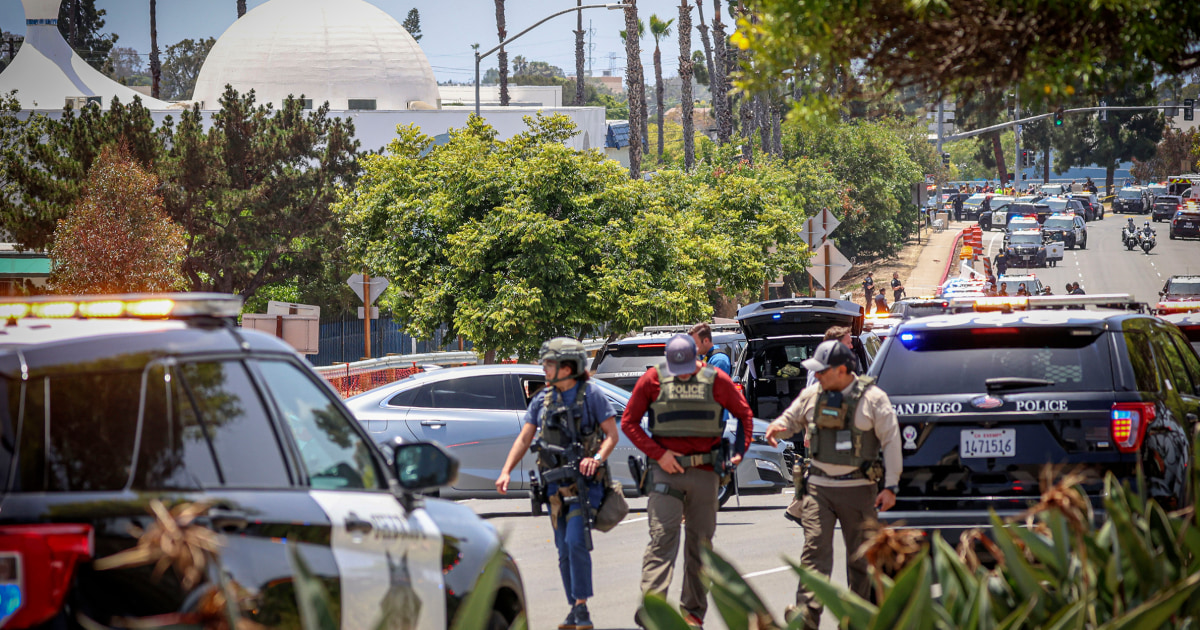
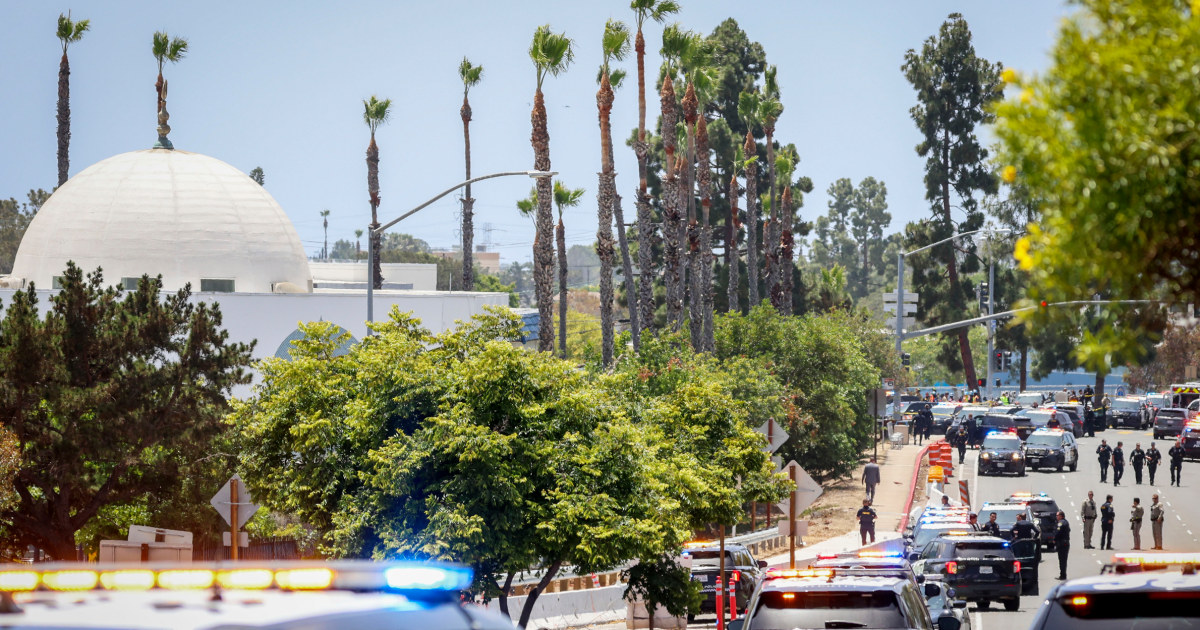
The mother of one of the two teenage gunmen who killed three people outside the Islamic Center of San Diego on Sunday told police roughly two hours before the attack that her son was suicidal, had run away, and had taken her car and weapons with him, San Diego law enforcement officials confirmed Monday. The disclosure transforms what had been described as a horrific but inexplicable hate crime into a case in which authorities had concrete warning that an armed teenager was loose in the city — and underscores the speed at which a 911 missing-persons call became a mass casualty attack.
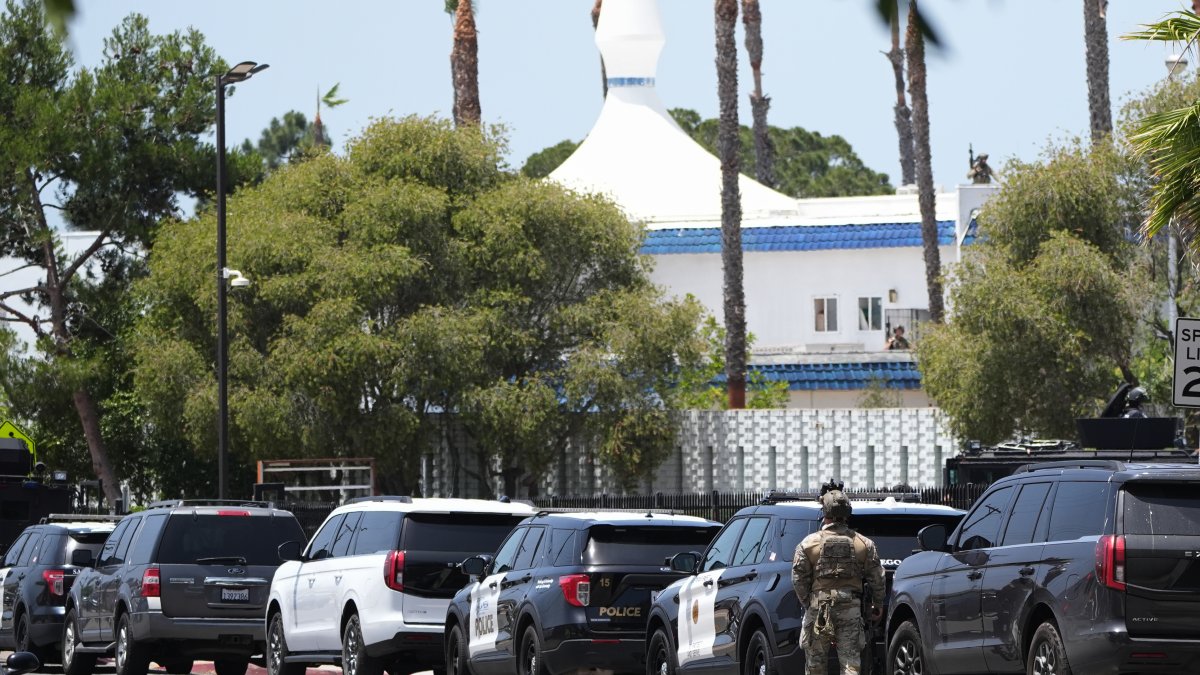
San Diego Police said the suspect's mother contacted the department at roughly 9:42 a.m. Sunday to report that her son, 17-year-old Cain Clark, was missing along with her vehicle and several firearms, and that he had been showing suicidal ideation. Authorities issued a missing-persons advisory but had no immediate way to locate the car. Two hours later, Clark and 18-year-old Caleb Vazquez — also identified by police on Monday — arrived at the Islamic Center of San Diego dressed in matching camouflage and opened fire on worshippers gathering for midday services, killing a security guard and two staff members before turning their weapons on themselves in a vehicle blocks away.
The FBI said Monday that the two suspects appear to have met online and been radicalized in the same digital communities. Writings recovered during search warrants, posted online by the suspects under usernames investigators are still authenticating, contain extremist material espousing anti-Islamic, antisemitic and anti-LGBTQ views, according to law-enforcement officials. ATF and FBI agents executing three search warrants at residences linked to the suspects recovered more than 30 firearms — including numerous pistols, rifles and shotguns — along with a crossbow, body armor and tactical equipment, according to a joint statement from San Diego Police Chief Scott Wahl and FBI Special Agent in Charge Stacey Moy.
The new details are likely to put renewed scrutiny on how local and federal authorities handled the morning missing-persons call. California's gun-violence restraining order law would in principle have allowed police to seize firearms from the family home before the attack, but officials have not said whether the responding officers were aware that the missing teenager had a documented mental-health history or whether the family had previously been the subject of welfare checks. The mother told investigators she had also found a written note in her son's bedroom that she described as containing "hate rhetoric" and immediately handed it to officers, according to senior law-enforcement officials briefed on the investigation.
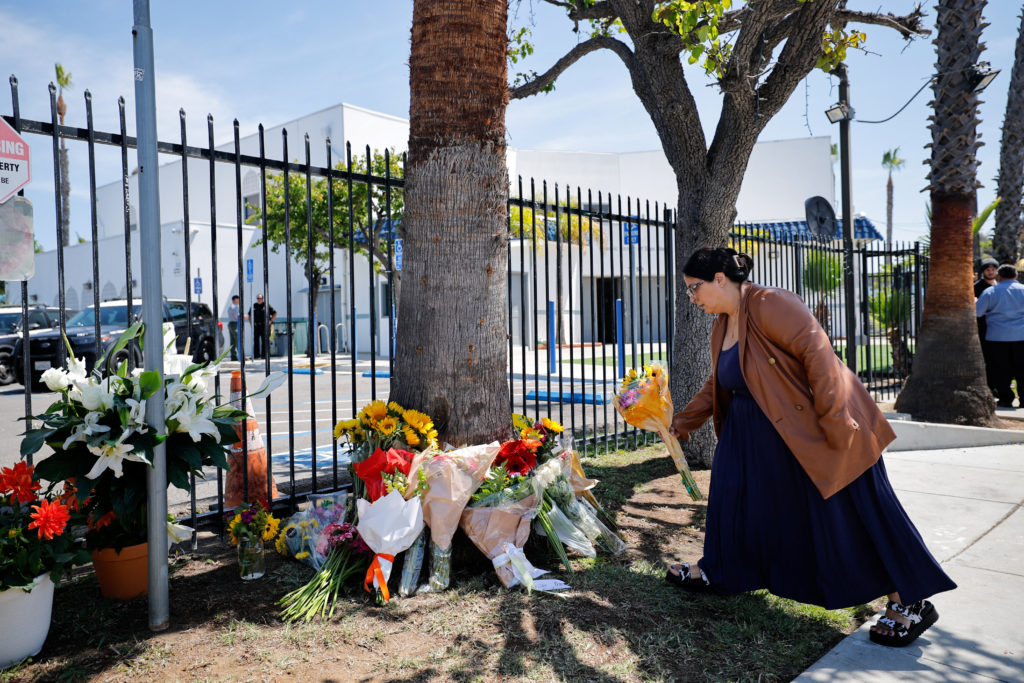
The attack is the deadliest assault on an American mosque since the 2017 Quebec City shooting in Canada and the 2019 Christchurch attack in New Zealand reverberated through Muslim communities across the United States. Council on American–Islamic Relations director Nihad Awad called on the Justice Department to charge the surviving evidence as a federal hate crime and accused federal agencies of failing to act on what he described as a growing wave of online radicalization targeting Muslim Americans. President Donald Trump, who has spent the last week consumed by the Iran crisis and the Texas Senate primary, said in a brief statement Monday that the shooting was "a tragedy" and that the Justice Department "will leave no stone unturned." Vigils were planned Tuesday night at mosques in all 50 states.