WHO Declares Ebola Outbreak Global Emergency as American Doctor Infected in Congo and U.S. Blocks Entry From Outbreak Zone
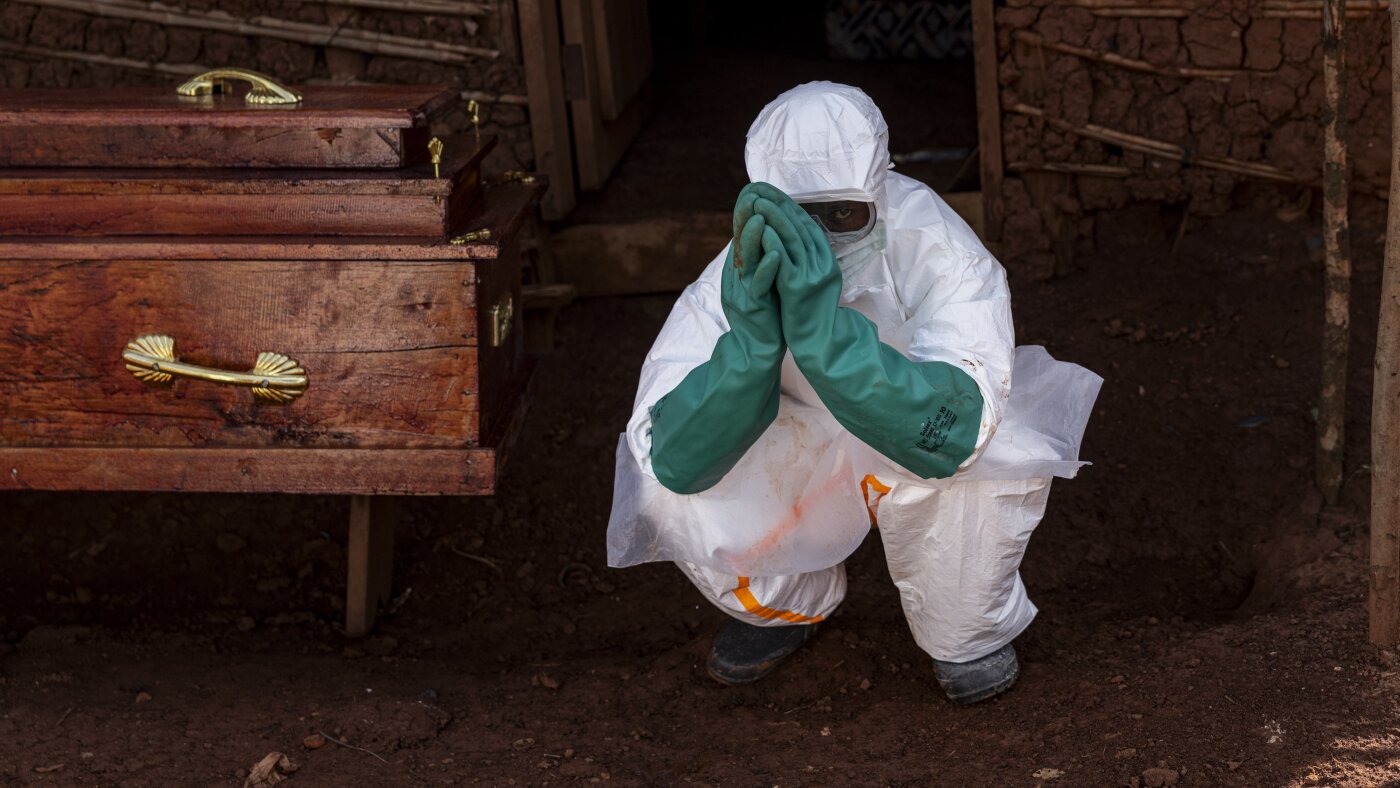
The rare Bundibugyo strain — for which there is no approved vaccine or treatment — has killed at least 88 people across Ituri province and Kampala, and at least six other Americans are believed to have been exposed.
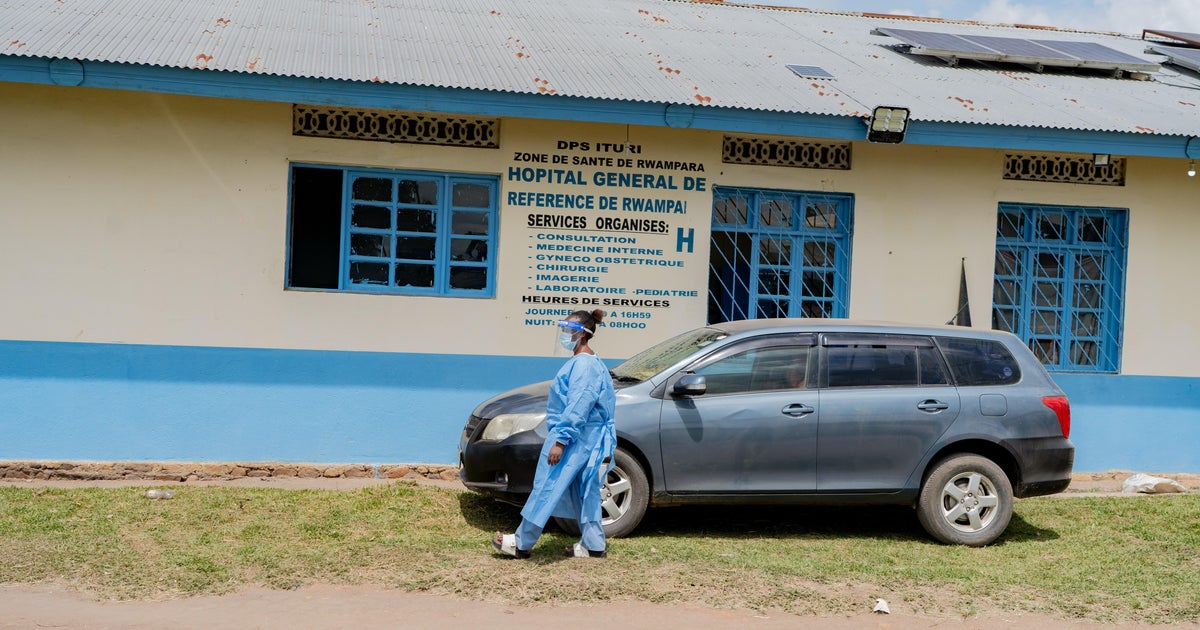
The World Health Organization declared the spiraling Ebola outbreak in the Democratic Republic of Congo and Uganda a public health emergency of international concern on Sunday, hours before U.S. officials confirmed that an American physician working with a Christian missions group in Ituri province had tested positive for the rare Bundibugyo strain and was being airlifted to Germany for treatment. WHO Director-General Tedros Adhanom Ghebreyesus, in announcing only the WHO's tenth global emergency since 2009, urged neighboring countries against sealing their borders, saying the outbreak is dangerous but "does not meet the criteria of pandemic emergency."
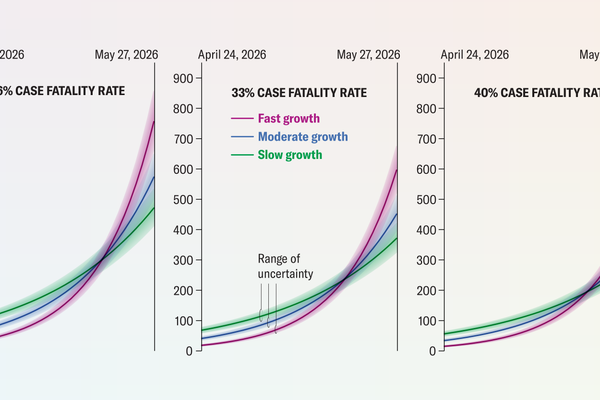
According to the WHO and the U.S. Centers for Disease Control and Prevention, Congo has so far recorded eight laboratory-confirmed cases, 246 suspected cases and 80 suspected deaths, almost all of them in the eastern province of Ituri, roughly 620 miles from Kinshasa. Two more laboratory-confirmed cases, including one death, have been reported in Kampala in a person who recently traveled from Congo and was treated at Kibuli Muslim Hospital. The outbreak has now spread across three health zones — Bunia, Rwampara and Mongbwalu — and the case fatality rate among confirmed and suspected cases is hovering between 25% and 40%, Congolese health officials told reporters Saturday.
The Bundibugyo virus is one of six known orthoebolaviruses and has triggered only two prior outbreaks: a 2007 cluster in Uganda that produced 55 cases and a 2012 outbreak in Congo that produced 57 cases. Crucially, none of the antibody therapies and vaccines licensed in recent years for the Zaire strain — including Merck's Ervebo vaccine and the Inmazeb and Ebanga monoclonal cocktails — are approved against Bundibugyo. "Medical professionals seem very concerned about the possibility or the ability to contain this," CBS News medical correspondent Dr. Céline Gounder told viewers Saturday night, citing the absence of any proven Bundibugyo-specific countermeasure.
The Trump administration moved aggressively over the weekend to wall off the United States from the outbreak. Acting under Section 362 of the Public Health Service Act, the Department of Homeland Security on Sunday barred entry to non-U.S. passport holders who have been in Congo, Uganda or South Sudan in the previous 21 days, and the State Department began coordinating with international aid groups to relocate American citizens out of the affected provinces. The CDC said more than 30 of its disease detectives are already in the DRC country office and a rapid-response team is en route to Bunia. Officials confirmed that at least six other American humanitarian workers in Congo are believed to have had direct exposure to suspected cases and are now being monitored for symptoms.
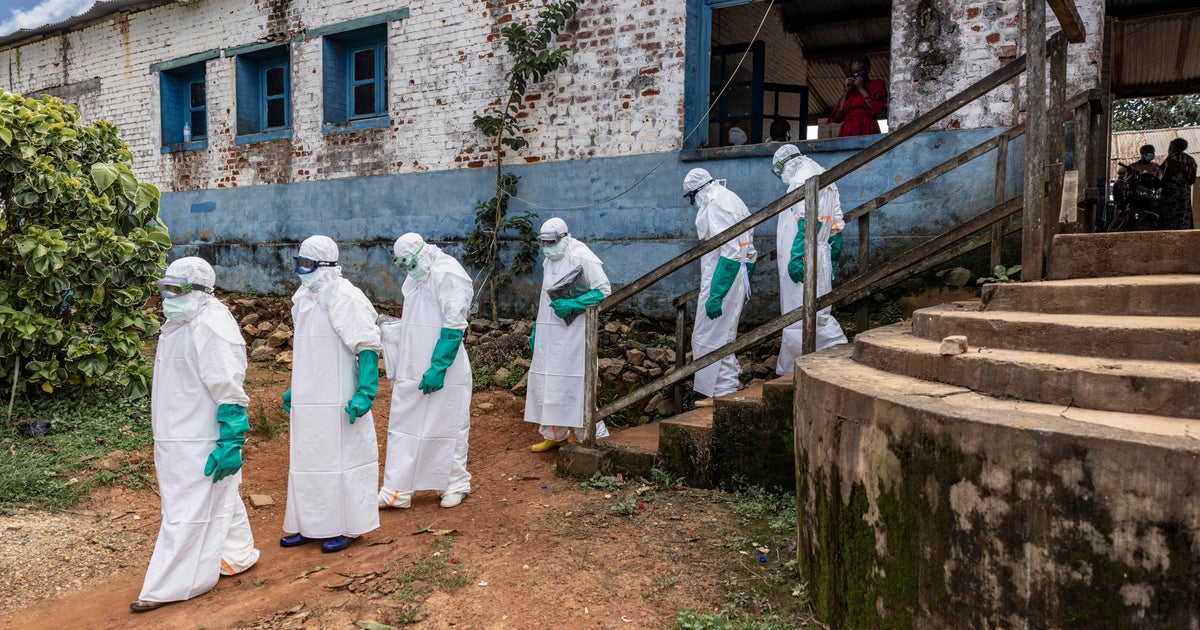
Containment in Ituri is severely complicated by the same conditions that made past outbreaks deadly: an active conflict zone with multiple armed groups, poor roads, a chronic shortage of personal protective equipment and a population already burdened by repeated epidemics of measles, mpox and cholera. Only 13 blood samples had been processed in laboratories as of Saturday, meaning the true case count is almost certainly higher. The WHO has released $4 million from its Contingency Fund for Emergencies, and the African Union's Africa CDC has pre-positioned mobile labs in Bunia and Kampala. "This is Congo's seventeenth Ebola outbreak since 1976, but the first ever with this strain in Ituri," the WHO said in its emergency declaration. International donors are now under pressure to accelerate the experimental Bundibugyo-targeted vaccine candidates that have been sitting in early-phase trials since the 2012 outbreak.