Israel Bombed the Doors Shut on a Syrian Uranium Store. Now the IAEA Is Flying In to Empty It
Site 99 holds yellowcake meant for the reactor Israel destroyed in 2007. A US-brokered deal gives everyone until the end of the year to get it out.

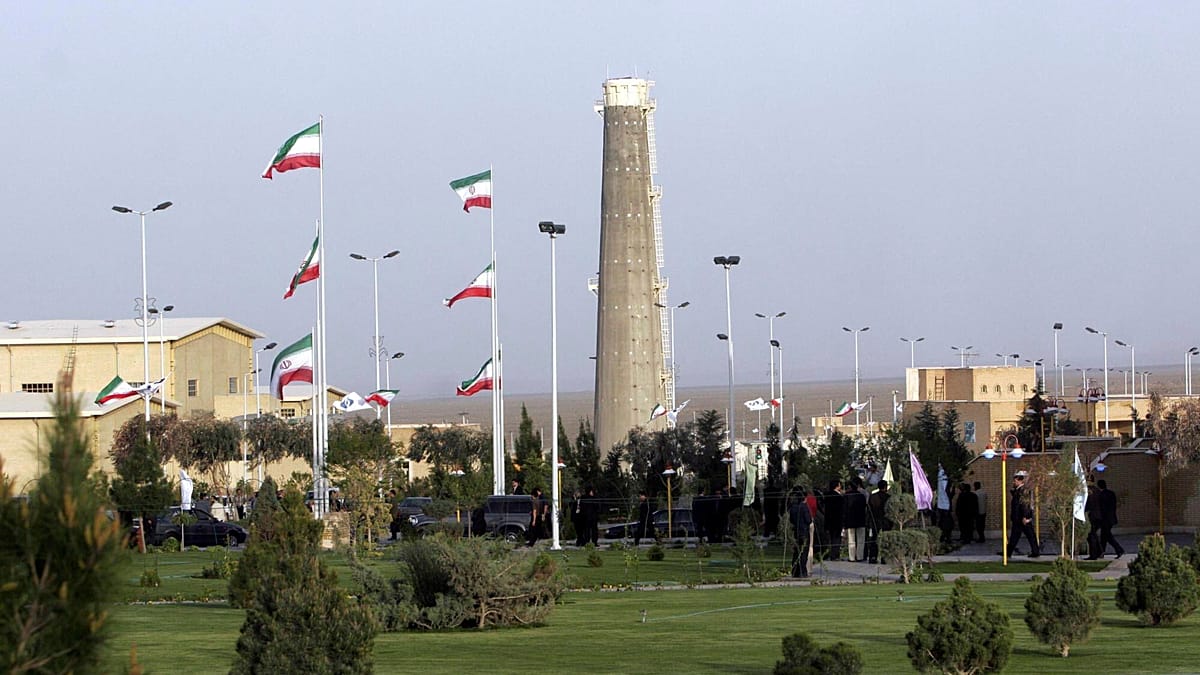
A delegation from the International Atomic Energy Agency will travel to Syria in the coming days to begin resolving one of the most dangerous loose ends left by the Assad government: a clandestine store of nuclear material known as Site 99, sealed off by Israeli bombs and unclaimed by anyone for the past 20 months.
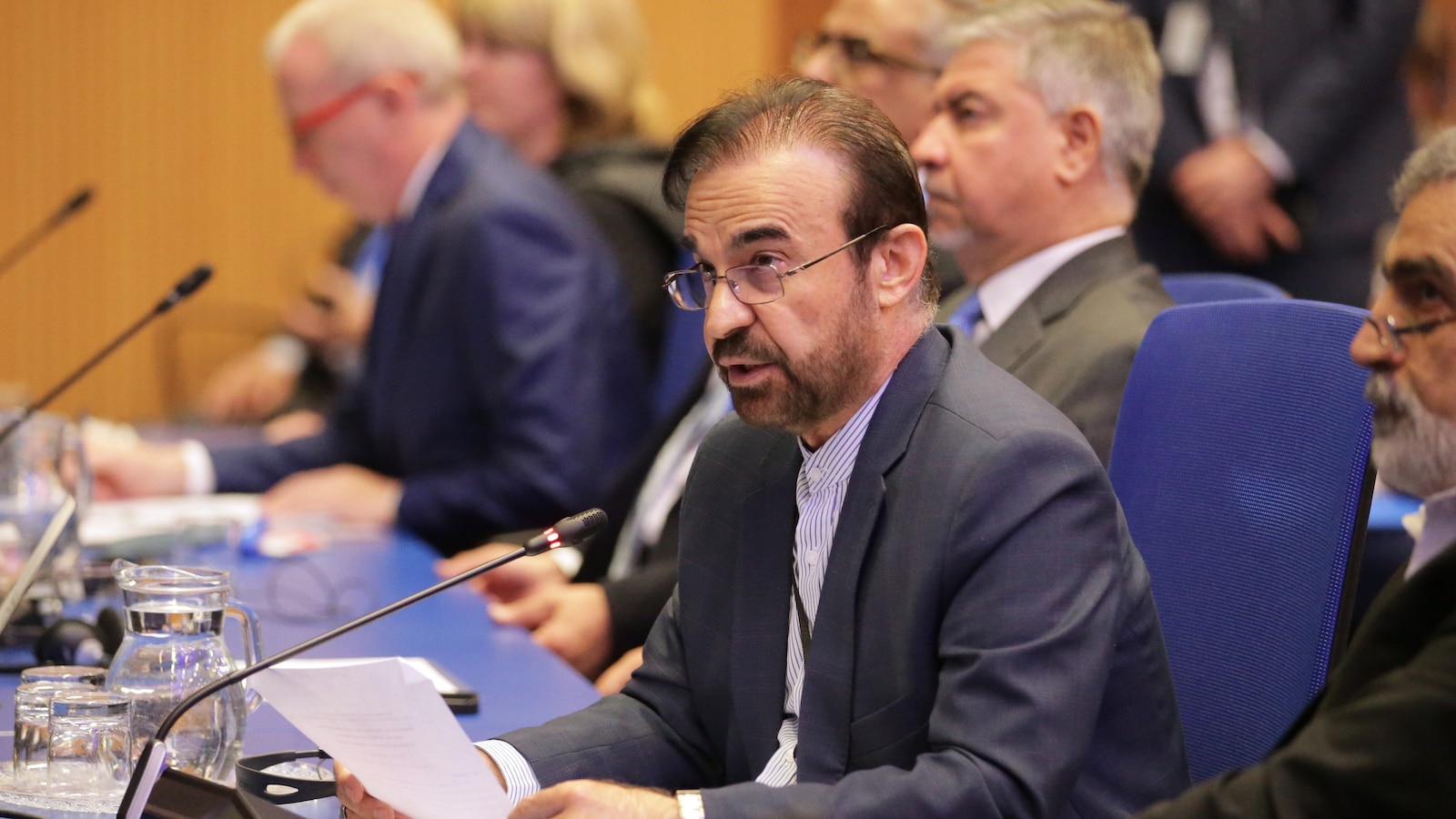
Syria's Atomic Energy Commission announced the visit in a statement on Telegram, saying it would receive the IAEA team to announce what it called the significant progress made by Damascus. The commission said it is cooperating with both the UN nuclear watchdog and the United States to resolve the deposed regime's legacy and restore Syria's full engagement with the agency, according to the official Sana news agency.
The material at Site 99 is yellowcake, a powder produced from uranium ore and an early step in the nuclear fuel cycle. It cannot be used to build a nuclear weapon. It can be used in a dirty bomb, a conventional explosive designed to scatter radioactive material and contaminate an area rather than produce a nuclear detonation, and that possibility is what has kept the site under close watch.
The yellowcake was originally intended for Al Kibar, an unfinished nuclear reactor in the Deir Ezzor region of eastern Syria that Israel destroyed in an airstrike in 2007. Damascus leveled the ruins and never fully answered the IAEA's questions about what had been there. In May 2011 the agency concluded that the destroyed building was very likely a nuclear reactor, citing its dimensions in ground photographs and satellite imagery, the layout of the site and its water-pumping facilities, nuclear material found in environmental samples, and inconsistencies with Syria's stated explanation for the structure. Several research, development and storage sites survived the 2007 strike, most of them inactive.
Israel has monitored Site 99 closely for the past two years. Israeli officials say the military bombed the entrances to the facility shortly after Assad's fall in December 2024, specifically to prevent anyone from reaching the material inside, and warned that it would strike the site again if the yellowcake was not removed or if there were signs Syria was trying to access it. Those threats, and the risk of an escalation that could have drawn in Israel, Syria and possibly Turkey, are what pushed Washington to broker a deal.
An accord between the IAEA and Syria's new government under President Ahmad Al Sharaa was signed roughly three weeks ago, the product of months of quiet negotiation among the United States, Israel, Syria and the agency. The material has not yet moved. Work at the site is still under way, and U.S. officials expect the removal to begin shortly. "We think everybody is happy with the result," one U.S. official said. "Hopefully we will be able to kick off the removal process soon and end it before the end of the year."