Medicaid Cuts From 'One Big Beautiful Bill' Begin Hitting States — CBO Sees 1.3 Million Losing Coverage
The largest rollback of Medicaid since 1965 is now taking effect, with enhanced federal funding expired and states barred from raising provider taxes to compensate.

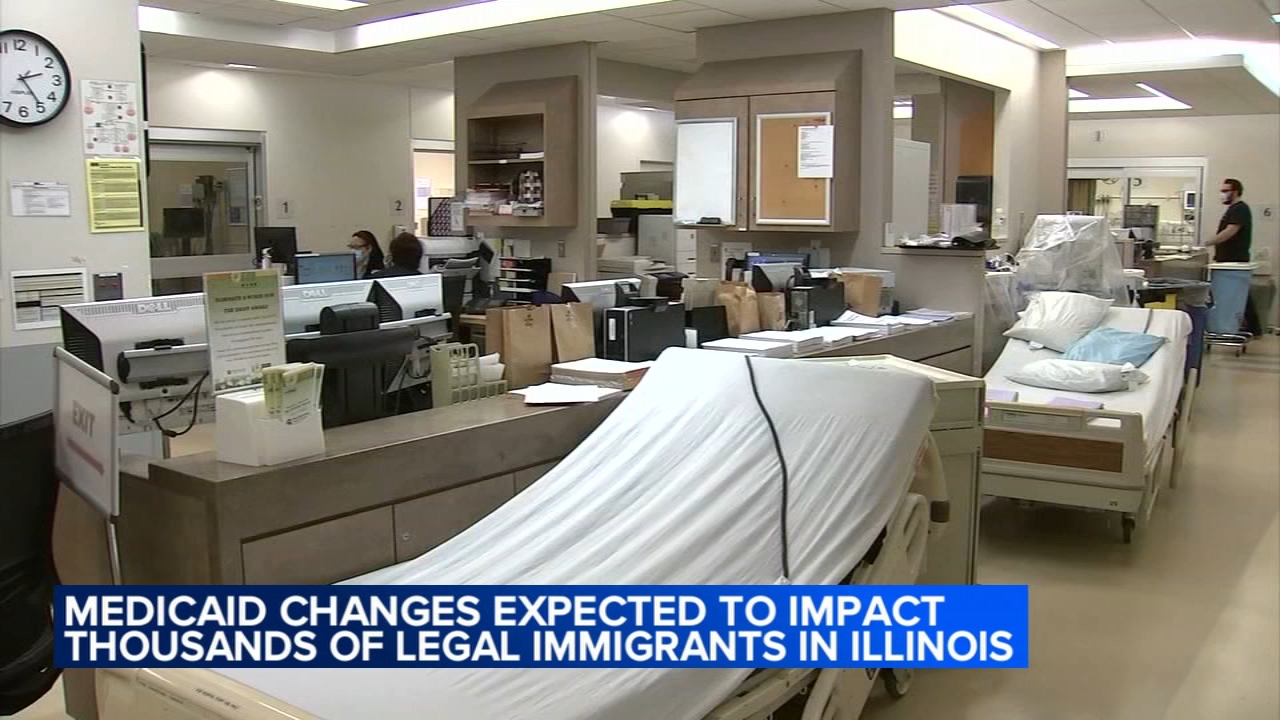
The sweeping Medicaid cuts enacted as part of the 'One Big Beautiful Bill Act' have begun rippling through state budgets and health systems in 2026, with the Congressional Budget Office projecting that 1.3 million Americans will lose health coverage this year as a direct result of the legislation. The $911 billion in Medicaid reductions over ten years — the largest rollback of the program since its creation in 1965 — are now translating into real-world consequences for patients, hospitals, and states scrambling to absorb higher costs with constrained resources.
Among the most significant changes taking effect this year: the enhanced Federal Medical Assistance Percentage (FMAP) that incentivized states to expand Medicaid under the Affordable Care Act has expired, forcing all 40 states that took the expansion to cover a greater share of costs from their own budgets. States are simultaneously prohibited under the new law from establishing new provider taxes or increasing existing ones — a restriction that cuts off a financing mechanism many states used to help fund Medicaid expansion. The combination is creating severe fiscal pressure in a handful of states with large Medicaid populations, including California, New York, and Illinois.
Hospitals and community health centers in rural areas are among the hardest hit. Several major health systems in states with large Medicaid populations have announced plans to reduce services or close facilities in underserved communities, citing the projected loss of reimbursement revenue. The American Hospital Association has warned that dozens of rural hospitals — already operating on thin margins — could close within two years if Medicaid funding continues to decline at the projected rate. Physicians' groups have similarly warned of reduced access to primary care in low-income communities.
Some relief is coming from a separate provision of current law. The Centers for Medicare and Medicaid Services has announced price cuts for 15 additional commonly used prescription drugs — including treatments for cancer, diabetes, and asthma — under the Inflation Reduction Act's drug price negotiation framework, bringing the total number of drugs with negotiated Maximum Fair Prices to 25. The cuts, which average 65 percent off list price for the affected medications, are expected to reduce out-of-pocket costs for Medicare beneficiaries while reducing federal spending on prescription drugs. However, critics say the savings from drug negotiation are dwarfed by the scale of the broader Medicaid cuts.
On Capitol Hill, Democratic lawmakers have introduced legislation to restore the enhanced FMAP and reverse the most sweeping Medicaid reductions, but the bills have no prospect of advancing in the Republican-controlled House. Senate Democrats have attempted to attach Medicaid restoration provisions to unrelated legislation, drawing procedural objections from Republicans. Meanwhile, several red states that initially supported the budget reconciliation law are now quietly lobbying the White House for waivers and supplemental funding, caught between their ideological opposition to Medicaid expansion and the growing political backlash from constituents who are losing coverage. The Department of Health and Human Services said it would review waiver requests on a case-by-case basis but declined to commit to any broader relief.