Rubio Orders Iran's Foreign Minister Out of New York as War Talks Stall; Trump Says More Strikes 'Possible'
Tehran says Foreign Minister Araghchi's departure was planned weeks ago. Washington and Tehran remain split on the order of concessions on Hormuz, nuclear steps and sanctions relief.
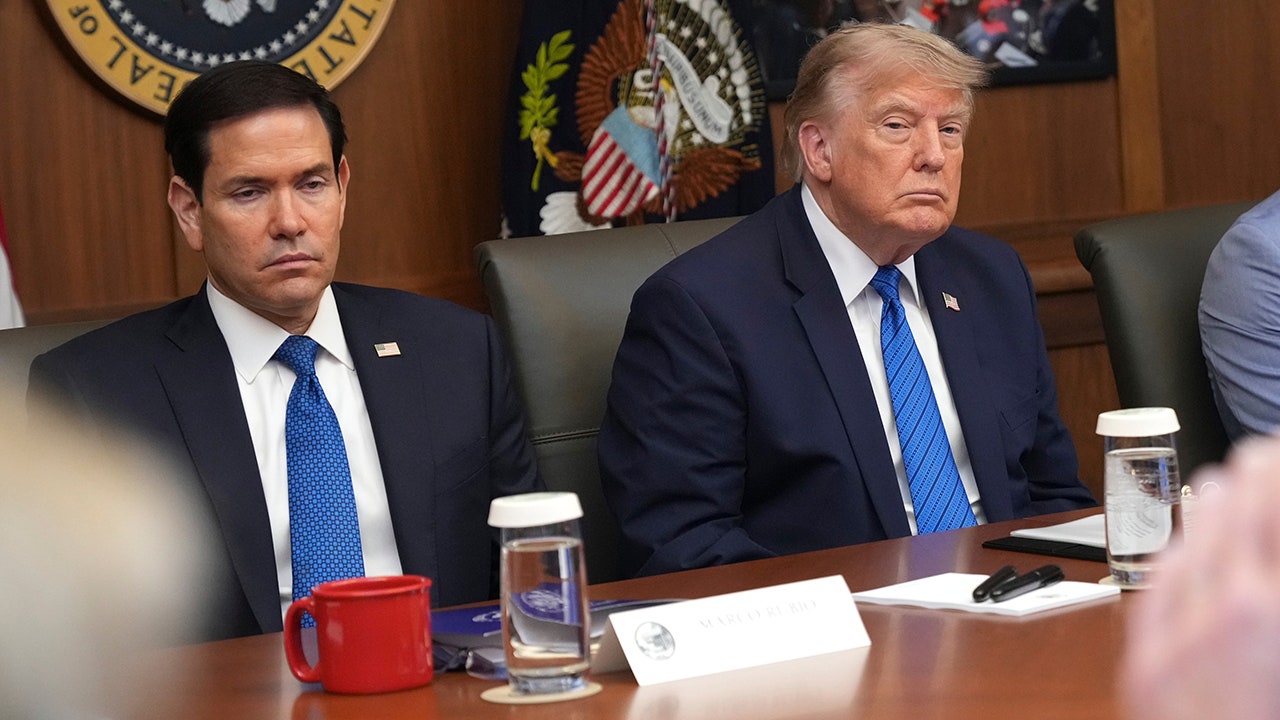
Secretary of State Marco Rubio ordered Iran's delegation to the United Nations General Assembly to leave the United States immediately on Monday, after indirect talks over ending the war with Iran reached a stalemate. Iranian Foreign Minister Abbas Araghchi and his team flew to Doha early Tuesday morning.
The U.S. mission to the U.N. told the delegation Monday evening that it had to leave New York. Araghchi had stayed in the city after Iranian President Masoud Pezeshkian went home, ostensibly to take part in indirect negotiations, mediated by Qatar, on reopening the Strait of Hormuz, ending the war and reviving nuclear talks. By Monday afternoon the talks had deadlocked after Washington rejected Iranian demands to change the format and location of the next round.
Fox News reported that Rubio concluded the Iranians had overstayed their welcome after their high-level U.N. meetings. Iran's permanent mission to the U.N. disputed the account. In a statement on X, it said the departure "was planned in advance" and followed a schedule it had given the State Department on September 17.
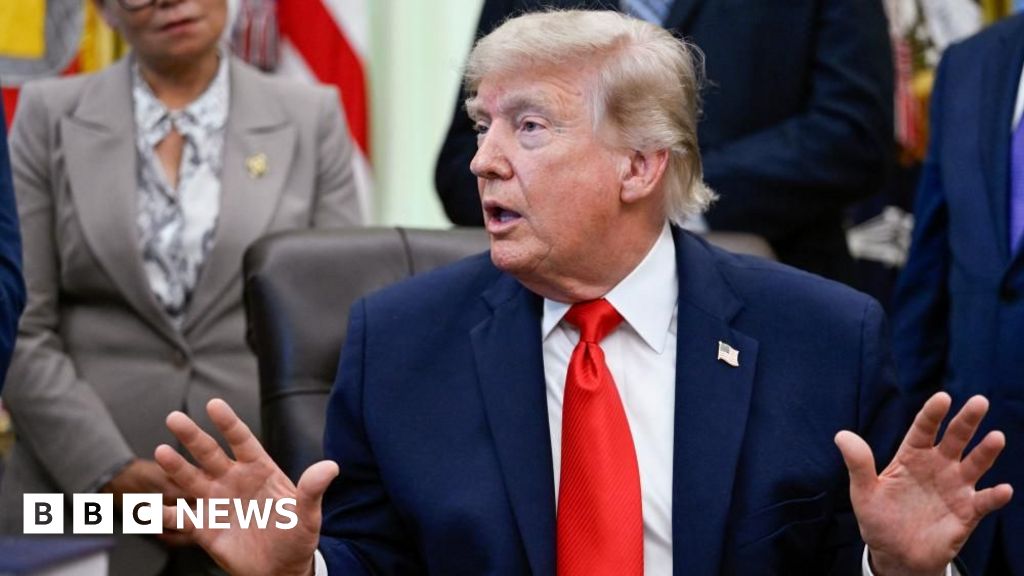
Trump was asked whether he would resume military action after the November midterms. "Possible," he answered. "We have a lot of weapons. You know, we've been stocking up for the last six months." He also rejected Iran's latest weekend proposal as "not good enough. Nearly."
The two sides disagree less about what has to happen than about the order in which it happens. Qatar has been carrying messages between Washington and Tehran, and the gaps center on when Iran would reopen the Strait of Hormuz, what nuclear steps Tehran would take, and what economic relief the United States would offer in return. Iran said Thursday it had received a U.S. response to its latest ceasefire proposal.
The cost of the stalemate shows up at the pump. Brent crude settled above $103 a barrel, U.S. crude closed above $90, and the national average price of gasoline is about $4.43 a gallon, compared with $3.15 a year ago. Those prices are feeding inflation and helping push bond yields to their highest in more than two decades.
The expulsion also lands as the Pentagon finishes pulling its last troops out of Iraq, removing American forces from a country that sits next to Iran and was hit by more than 1,000 drone and missile attacks during the conflict, according to Kurdish officials. Britain, for its part, has said it believes Iran played a role in an incident at RAF Fairford, a claim Tehran's foreign minister called misguided.
Taken together, the week shows a diplomatic track that keeps breaking down just as the economic pressure from the war grows. Neither side has said talks are over, and the Qatari channel remains open. But with Trump openly floating a post-election timeline for more strikes, the window for a deal before November is narrowing.