Iran Says It Is 'Fully Prepared' for War to Resume, Even a 'Doomsday War'
Foreign Minister Abbas Araghchi told NBC's Meet the Press that Iran still wants diplomacy, a day after President Trump said he rejected Tehran's offer to reopen the Strait of Hormuz. U.N. Ambassador Mike Waltz called that offer a 'cynical attempt.'
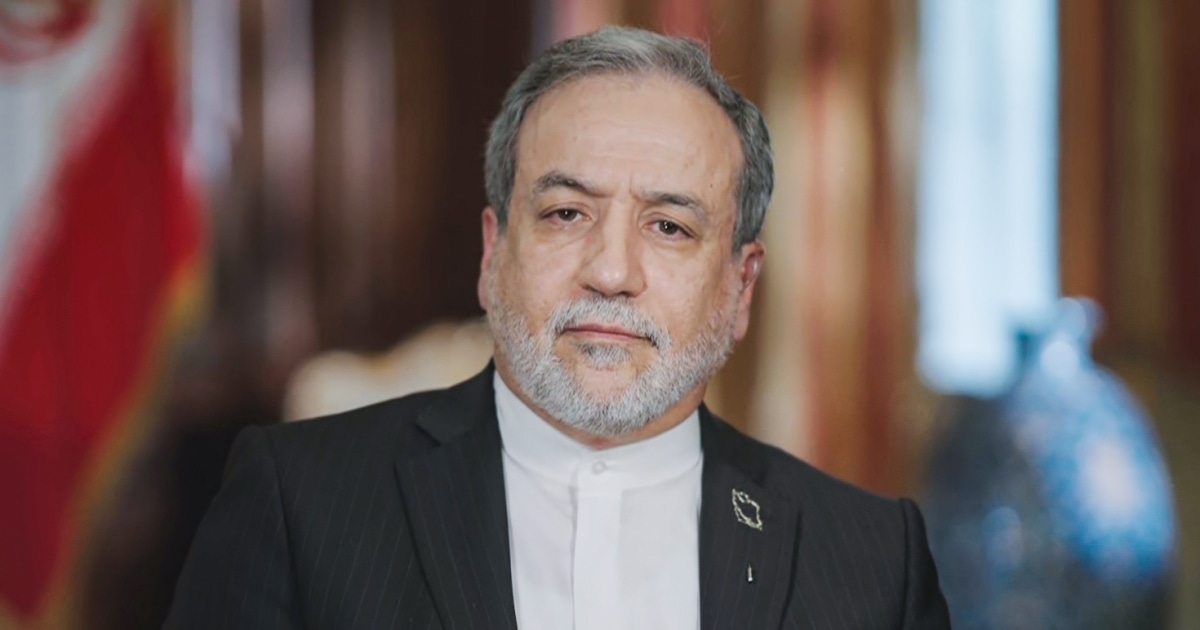
Iran's foreign minister said Sunday that his country is ready to go back to war with the United States, even as he insisted Tehran has not given up on a negotiated end to the conflict.
"We are fully prepared for the war to be resumed. We stand firm in the face of any new aggression, even if it comes to a doomsday war," Abbas Araghchi told NBC News' "Meet the Press." He was responding to a question about a Wall Street Journal report that President Donald Trump could move to resume bombing after the U.S. midterm elections. "At the same time, we stand ready for diplomacy. It is up to President Trump to choose."
The interview came a day after Trump said he had turned down Iran's latest offer. This week Tehran proposed reopening the Strait of Hormuz and restoring normal shipping through the oil chokepoint within seven days, in a plan passed to Washington through Qatari mediators on the sidelines of the United Nations General Assembly in New York. "I rejected their deal," Trump told reporters Saturday. "They want to make a deal where they open the strait immediately because they're losing so badly." In a phone interview with Axios on Sunday, Trump said he expected more talks this week but that Iran had "overplayed their hand," offering "what we would have maybe agreed to a year ago."
Araghchi told moderator Kristen Welker that, despite Trump's public comments, the rejection had not yet been formally communicated to Iran through the mediators. He said Iran was still willing to reopen the strait as part of an agreement to end the war, but wanted something in return. "We want our monies, our assets, which are illegally frozen, to be released. We want to be able to sell our oil," he said. Araghchi argued those demands were "not new" and pointed to the memorandum of understanding the two countries signed in June, which set out a temporary ceasefire before collapsing within days when fresh strikes were exchanged. "We don't care about U.S. midterm elections," he added. "We care about our national interests."
U.S. Ambassador to the United Nations Mike Waltz, who appeared on the same program, said the deal was turned down for "a number of reasons," including that Washington could not let Iran "have access to billions in frozen funds." He called the proposal "a pretty cynical attempt to put something on the table that they knew was unacceptable," questioned "who's calling the shots in Iran right now," and said Iran had broken the June memorandum by attacking international shipping. "The president will leave all options on the table," Waltz said, though he declined to say what terms Trump would accept.
Treasury Secretary Scott Bessent, speaking on Fox News' "Sunday Morning Futures," said the U.S. blockade of Iran's ports under what the administration calls Operation Economic Outcast has left only about 15 million barrels of Iranian oil still out for delivery. "They will have nothing to trade for anything, probably within the next two weeks," Bessent said. "They are going to make their final deliveries of oil to China, and then they will have nothing."
The standoff is playing out with American voters souring on the conflict. Earlier in the week Trump said he was still weighing whether to "annihilate" Iran or make a deal, predicting an agreement "right after the election" because Tehran was "waiting to see how I do." The latest NBC News Decision Desk Poll found 31% of respondents approved of Trump's handling of the Iran war, while 69% disapproved.