Iran's President Tells the U.N. His Country Will Fight 'Until Our Last Breath'
Masoud Pezeshkian held up photos of dead schoolchildren and called out Trump by name, a day after Trump told the same hall he might 'annihilate' the Islamic Republic.

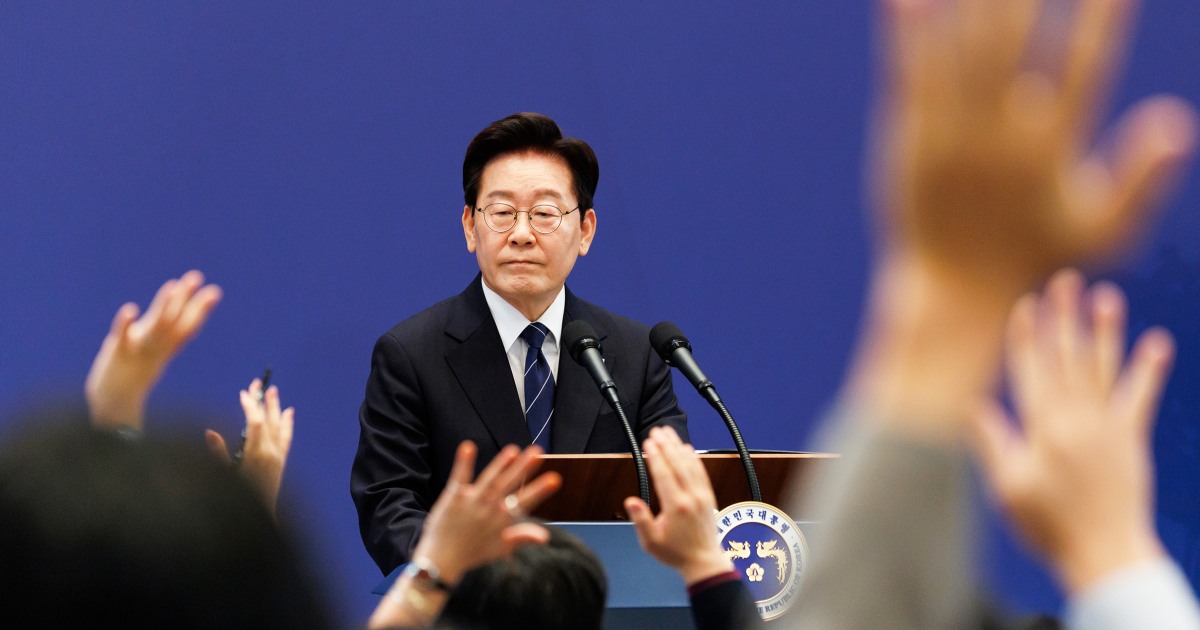
UNITED NATIONS — Iran's president stood before the U.N. General Assembly on Wednesday and told the world his country would keep fighting the United States "until our last breath," delivering a rare wartime address one day after President Donald Trump used the same podium to say he was weighing whether to "annihilate" the Islamic Republic.
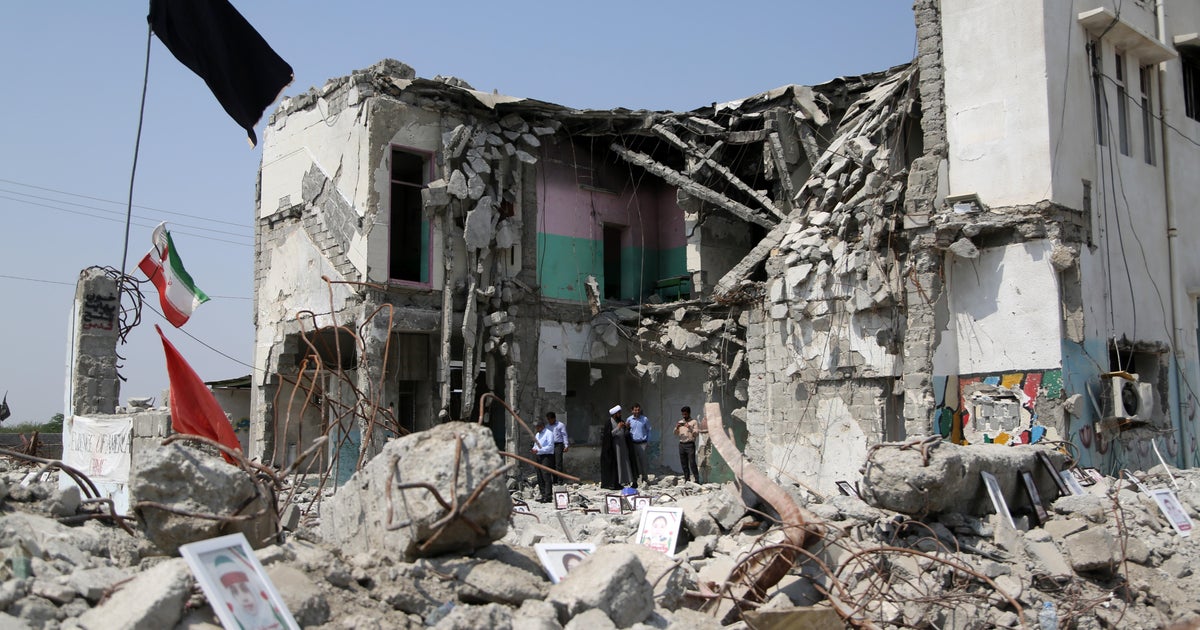
Masoud Pezeshkian opened by saying he had planned to give a different speech before he heard Trump's on Tuesday. He then held up large photographs of the late Supreme Leader Ali Khamenei and of the more than 150 Iranian schoolchildren killed in the first days of the war. "We have only defended ourselves. We are not terrorists," he said. "Our innocent people have been the targets of cowardly attacks and aggressions imposed upon our country. And we defended ourselves with utmost strength. America and Israel attacked us." Of the United States, he added: "Yes they did hit us, but we did not bend the knee."
Near the end, Pezeshkian addressed Trump by name. "It must be understood by Mr. Trump and those who seek to bully us that we are ready for dialogue and diplomacy and negotiations without accepting the language of force," he said. On the nuclear question at the heart of the war, he gave no ground: "To defend our country, we do not seek anyone's permission. We say it clearly: No nuclear weapons and no limitations to new peaceful nuclear technology." According to The New York Times, no leader has ever addressed the U.N. in person while his or her country was actively at war with the United States.
Trump was not in the hall. He had flown back to Washington overnight to greet Chinese President Xi Jinping. On Tuesday he told the assembly he faced "a big decision": a deal that would let Iran "rebuild and create a far greater country than it ever was before," or to "annihilate the Islamic Republic and do it quickly." He asked aloud, "Do I drive them into hell with no chance of survival and no hope of future greatness or generations?" He also predicted no agreement would come before the Nov. 3 midterms. "I believe we'll make a deal right after the election, because it doesn't make sense for them not to," he said. "They're waiting to see how I do in the midterm election."
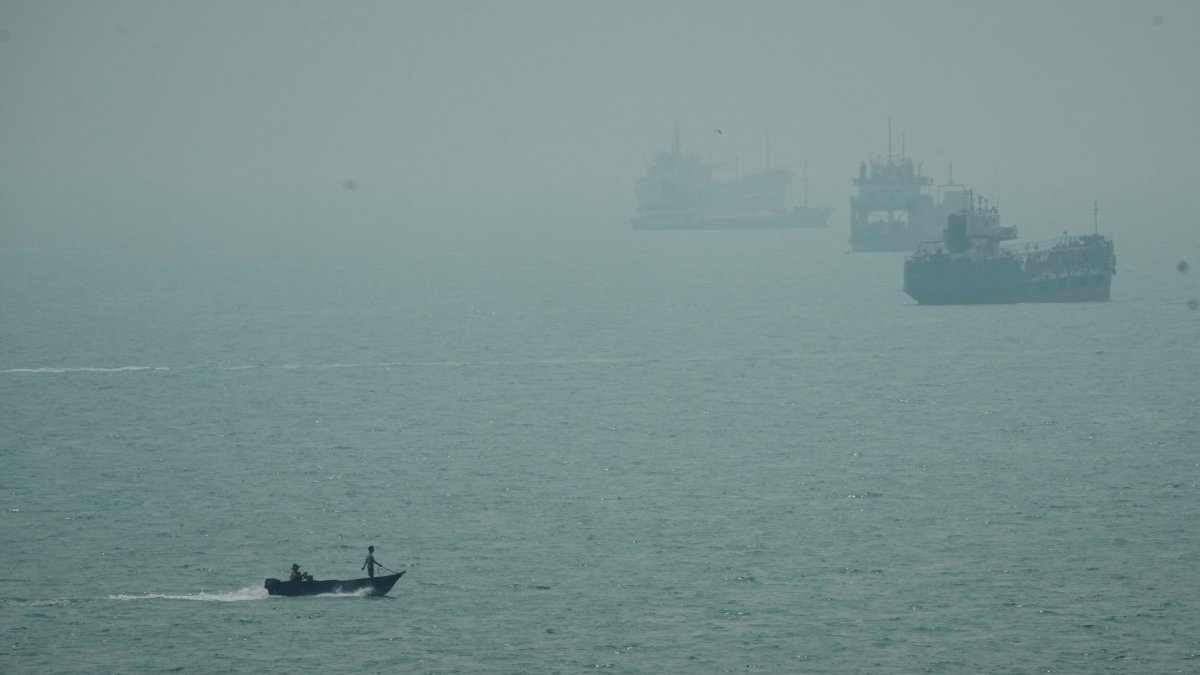
Hours after that speech, Trump said his envoys Steve Witkoff and Jared Kushner had spent about three hours with Iranian officials on the sidelines. "It was a very good meeting," he said, adding that the Iranians were "not the highest level, but it's something." Tehran described the talks differently. Foreign Ministry spokesman Esmail Baghaei said they ran about two hours, were conducted indirectly through Qatari mediators and were "not anything new." He said Iran had set out its conditions: an end to the U.S. naval blockade in the Gulf of Oman, the release of frozen Iranian assets, an end to what he called "economic terrorism," and an agreement on a safe shipping route through the Strait of Hormuz, which carried about 20% of the world's oil before the war.
Secretary of State Marco Rubio played the meeting down as well. "It was a continuation of conversations that have occurred in the past," he said Wednesday. "I don't want to mischaracterize this as a major breakthrough." Rubio also dismissed Pezeshkian's speech: "I don't know what standing Iran has to lecture anyone on human rights or the international system when they habitually violate it."
The war is now nearly seven months old, and a June ceasefire has collapsed. The costs are showing up at American gas pumps, where regular gasoline averages about $4.47 a gallon, roughly 50% higher than when the fighting began, and diesel has climbed past $6.50. A U.N. fact-finding mission said this month it found "reasonable grounds" to believe the United States committed a war crime in strikes that hit civilians, including a Tomahawk missile strike on a primary school in Minab on the war's first day that killed more than 150 people, about 120 of them children. The Pentagon has not released its own findings.