Trump Rejects Iran's Hormuz Offer as Pezeshkian Says U.N. Inspectors Can Come In
Iran's president told CBS News his country would 'abide by whatever we commit to' and admit nuclear inspectors. A day later, Trump said the seven-day plan 'would not be acceptable.'
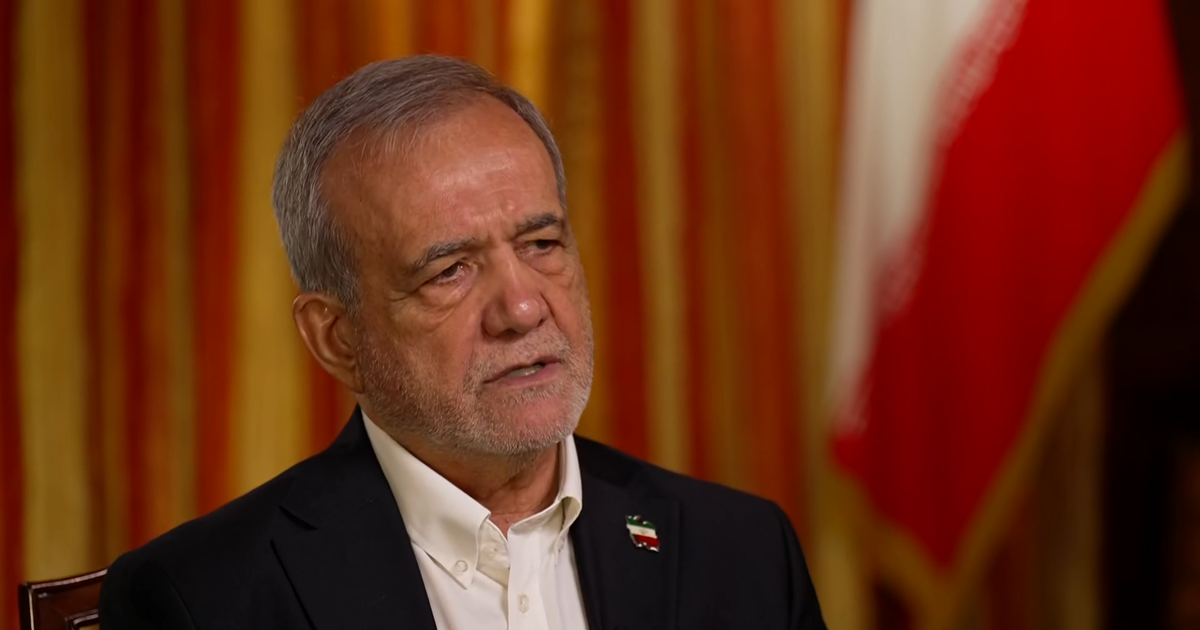
President Trump said Saturday that he has rejected Iran's latest proposal to reopen the Strait of Hormuz, a day after Iranian President Masoud Pezeshkian told CBS News that Tehran would honor any agreement it signs and would now allow United Nations nuclear inspectors into the country.
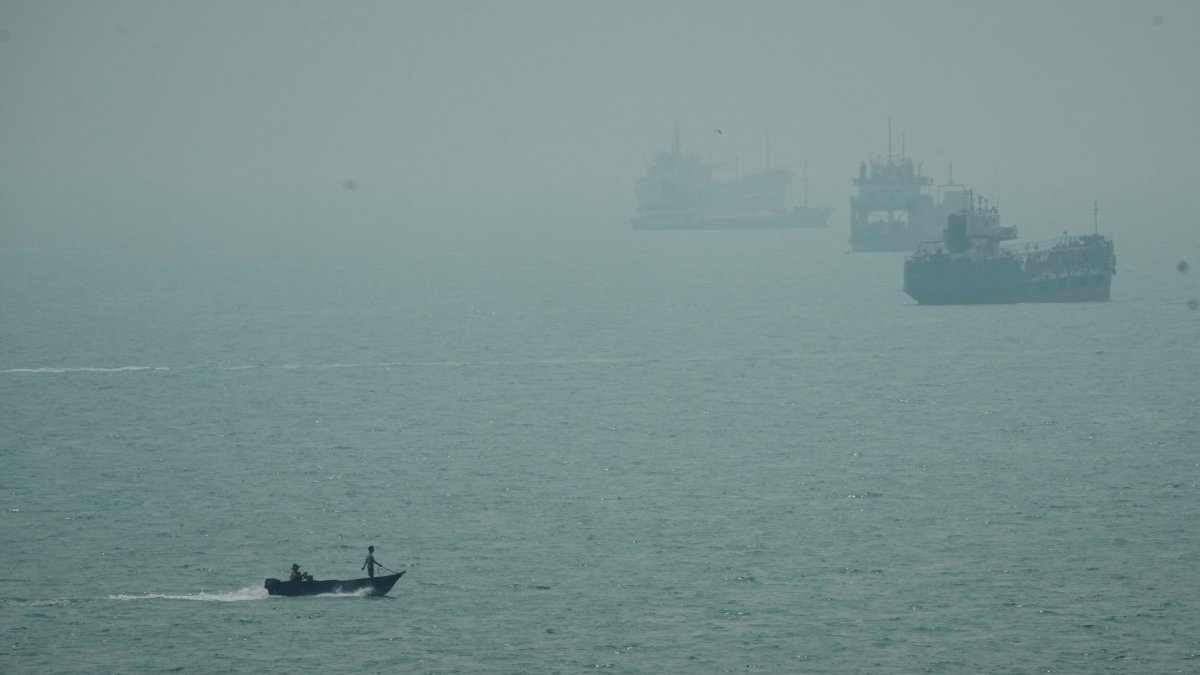
"They want to make a deal where they open the strait immediately because they are losing so badly. You don't see that in the fake news," Mr. Trump told reporters before leaving the White House. "We're winning tremendously, we have total control of the Hormuz Strait, massive amounts of oil are coming out of the Hormuz Strait, last night we had 29 ships come out." He added: "I think that's fine, I like making a deal too. But that deal would not be acceptable."
The plan, put forward by Iran's foreign minister during the U.N. General Assembly in New York this week, would reopen the strait after seven days and restart talks with Washington as a first step toward a final nuclear agreement. Top Trump officials held indirect talks with Iranian officials through mediators during the week, but the president did not meet with them himself. In his own speech to the General Assembly, Mr. Trump said he faces a "big decision" on whether to cut a deal with Iran or "annihilate" the country, and predicted the two sides would not reach an agreement until after the midterm elections.
In an interview with "Face the Nation" moderator Margaret Brennan on Friday, Pezeshkian described an "atmosphere of distrust" that made a face-to-face meeting with Mr. Trump difficult. "Every day, they increase the sanctions against us. Every day, they threaten us. Every day, they strike us. And they don't honor what they have put in writing," he said. "So if they engage in talks, will they actually follow through?" Still, he said Iran would "abide by whatever we commit to" if the U.S. accepts the offer, and that the process "will begin from the very day they accept it."
Asked twice whether Iran would let inspectors from the International Atomic Energy Agency back in, Pezeshkian answered, "That is absolutely correct," adding that the terms could be settled "within the negotiations." IAEA inspectors were not given full access on earlier visits. Pezeshkian, a physician, repeated Tehran's position that it does not seek a bomb, saying that "developing nuclear weapons is haram," or religiously forbidden. Iran has enriched uranium to near weapons-grade purity in recent years and has refused to give up enrichment altogether, while Mr. Trump has demanded that it stop enriching entirely.
The Iranian president blamed Washington for the collapse this summer of the 60-day ceasefire known as the memorandum of understanding, which fell apart in July after Iran targeted commercial shipping and the U.S. struck back. The two sides remain split over control of the waterway: the U.S. insists Iran cannot control the lanes entering the strait, including those passing Omani territory, or charge tolls, while Iran has demanded that ships seek its permission and follow an Iranian-approved route.
Pezeshkian also addressed the health of Supreme Leader Mojtaba Khamenei, who has not been seen in public since the U.S.-Israeli attack earlier this year that killed his father, Ali Khamenei. He said he has met the new supreme leader twice, once for more than seven hours, and that injuries to his face and legs have healed. "From a medical standpoint, he's completely healthy," Pezeshkian said. "Hear this from me as a physician, and accept it." He said diplomatic decisions are made by a six-member team drawn from security forces, parliament and government agencies.