Iran's Rial Falls to 2.5 Million to the Dollar, a Record, as War and Sanctions Squeeze Households
The currency has dropped again less than a month after its last low, while Washington adds sanctions and Tehran waits on a response to its Strait of Hormuz proposal.
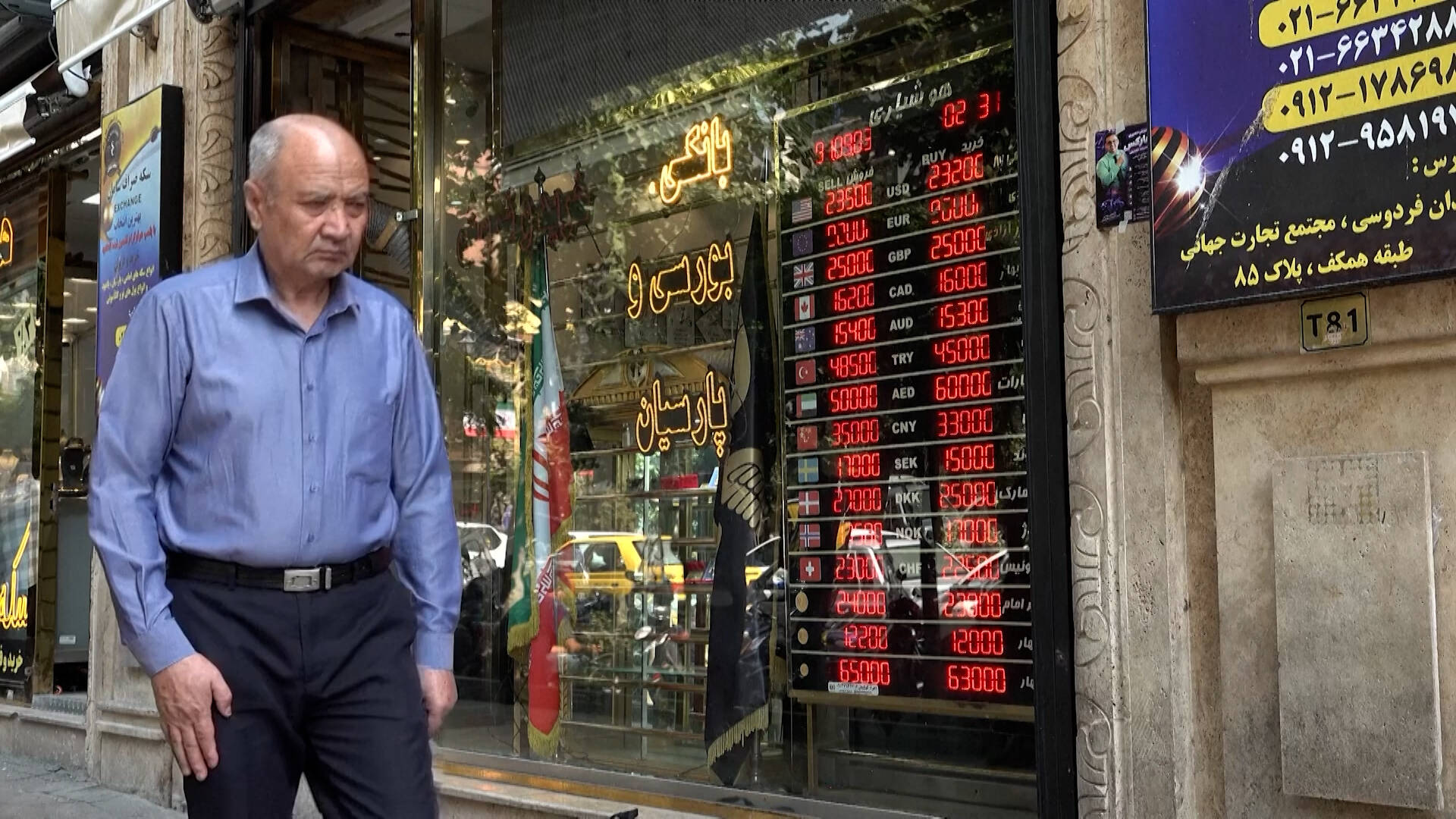
Iran's currency plunged to a record low of about 2.5 million rials to the U.S. dollar this week, less than a month after its previous record, as seven months of war, sanctions and restrictions on oil exports drain the economy.
The rial traded at 2.2 million to the dollar on Sept. 2, then weakened to 2.418 million on Sept. 29 and lost another 80,000 rials within 24 hours. Each step down raises the price of imported food, medicine and raw materials for Iranian households, most of whom earn and save in rials.
Reuters documented the toll on ordinary Iranians. Some residents are leaving Tehran because they can no longer pay rent, and others are cutting back on medicine and using up savings. A restaurant owner said he is selling at "a very small and negligible profit" because closing would mean unemployment. Grocery stores reported customers buying only 20% to 40% of what they used to.
Washington is pressing the economic advantage. The Trump administration imposed sanctions on 10 individuals and companies in China, Hong Kong and Pakistan that it says helped Iran acquire weapons. Secretary of State Marco Rubio said Iran's economy is "heading there fast to a cataclysm," arguing that sanctions limit not only the Iranian economy but also spending on regional proxies such as Hezbollah and Hamas.
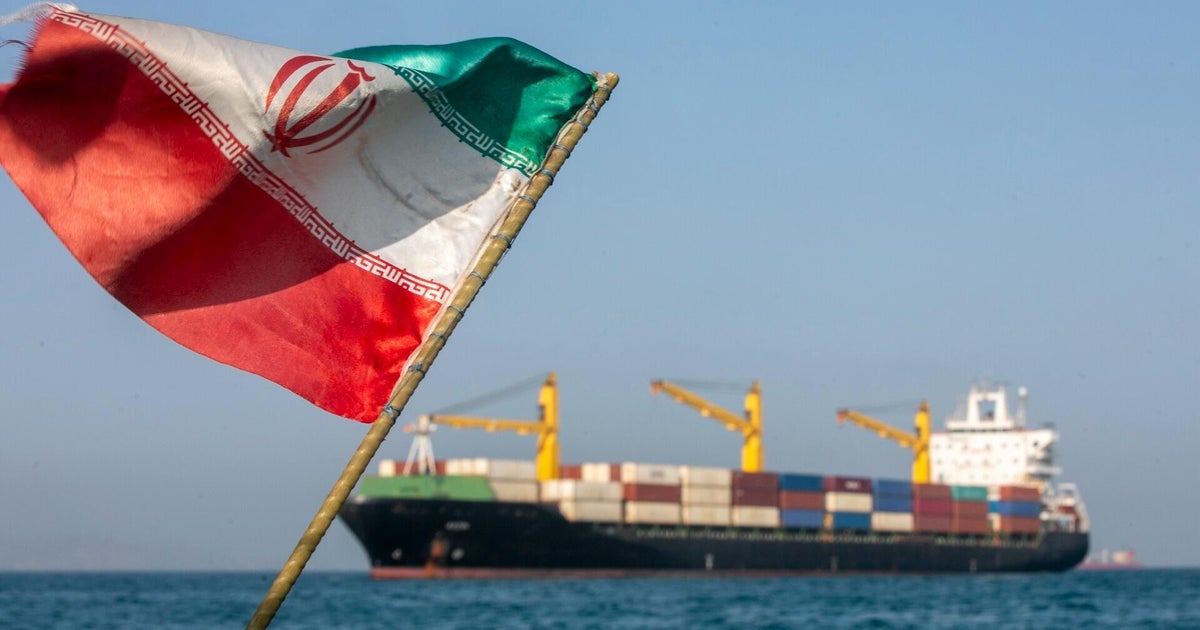
Diplomacy is moving in parallel but has not produced a deal. Trump rejected Iran's initial proposal on Saturday, which centered on reopening the Strait of Hormuz, but said he expects more talks this week. Iranian Foreign Minister Abbas Araghchi received U.S. feedback on the proposal through Qatari mediators and said Tehran's conditions are "entirely fair and reasonable." Another report citing Axios said the efforts of Qatari mediator Ali al-Thawadi had stalled, and Trump said he was unsure Iran is willing to negotiate.
Oil markets reflect the standoff. Brent crude and West Texas Intermediate both fell on Tuesday but remain elevated compared with levels before the conflict. Middle East exports reached 12.8 million barrels a day in September, according to the reporting.
The currency collapse gives the U.S. a measure of the pressure its sanctions are applying, and gives Tehran a reason to seek relief, but it also raises the risk of unrest at home. The rial's slide has been steady through the war, and each record has been followed by a new one within weeks. Whether the next one comes depends on whether the Hormuz talks this week make any headway.