Treasury's Eighth Round of Iran Sanctions Hits a Tehran Bank and Two Dubai Exchange Houses
Officials say the network laundered hundreds of millions of dollars in oil revenue through shell companies in Hong Kong, Singapore and Dubai. "Every facilitator that keeps the regime afloat is putting a target on its own back," Treasury Secretary Scott Bessent said.
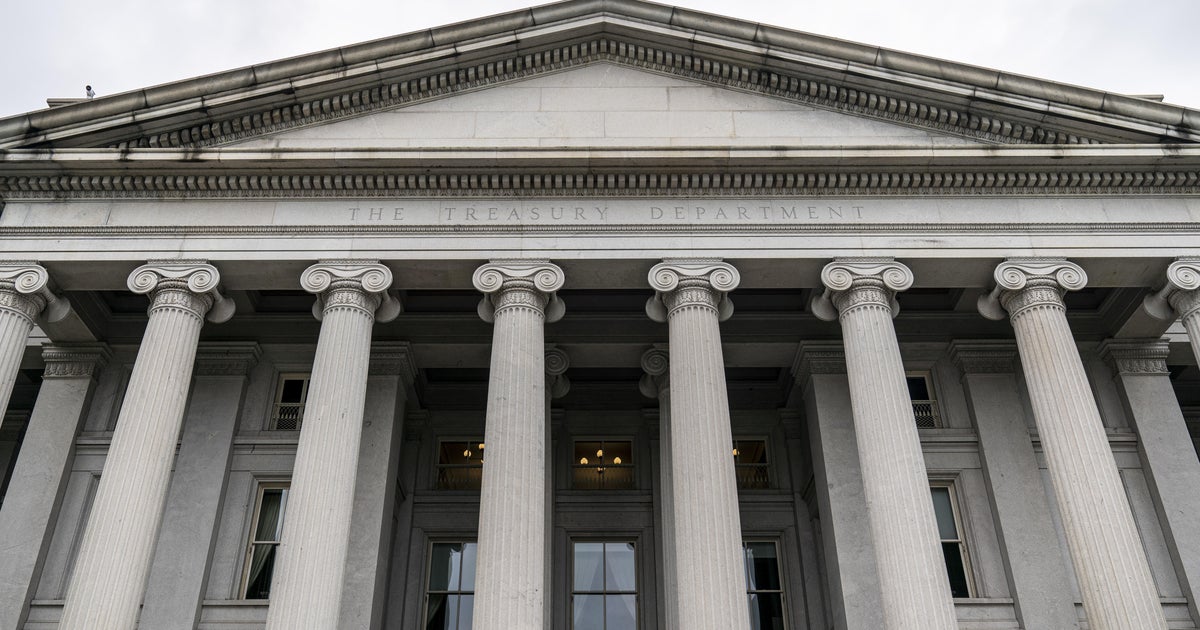
The Trump administration imposed its eighth round of Iran sanctions on Friday, targeting an Iranian bank, two Dubai-based exchange houses and a web of shell companies that Treasury officials say moved hundreds of millions of dollars in oil revenue out of reach of existing restrictions.
The designations name Shahr Bank in Iran; Titan Exchange and Alps International, both money-exchange businesses operating out of Dubai; and Farab Soroush Afagh Qeshm, an Iran-based firm. Treasury said the network laundered proceeds for Iran's largest crude exporters, including the National Iranian Oil Company and Naftiran Intertrade Co., using front companies registered in Hong Kong, Singapore and Dubai. Titan Exchange alone held tens of millions of dollars on Shahr Bank's behalf, according to the department.
The action also covers Iranian nationals accused of coordinating currency conversions through Russia's VTB Bank, one of the clearest public descriptions yet of how Tehran has used Russian banking channels to convert oil receipts since the Strait of Hormuz standoff began. In a separate designation, Treasury sanctioned Basheer Abdulkadhim Alwan al-Shabbani, the former chief executive of Iraq's Fly Baghdad, accusing him of assisting the Islamic Revolutionary Guard Corps' Qods Force.
"Every facilitator that keeps the regime afloat is putting a target on its own back," Treasury Secretary Scott Bessent said in announcing the measures. State Department spokesperson Tommy Pigott said the sanctions are meant to "cut the financial lifelines that sustain Iran's ruling elite."
The designations freeze any assets the named entities hold under U.S. jurisdiction and bar Americans from doing business with them. Their sharper effect is on third-country banks and exchange houses, which risk losing access to the dollar clearing system if they keep processing transactions for a sanctioned counterparty. That secondary exposure is why the administration has concentrated on Gulf exchange houses rather than on Iranian institutions that were cut off years ago.
The sanctions land in the sixth month of the confrontation over the Strait of Hormuz, the 21-mile-wide channel through which roughly a fifth of the world's seaborne oil moves. Iran's parliament has advanced a proposal to charge transiting ships a share of their cargo value and to bar American-linked vessels outright, and talks brokered through Oman have repeatedly appeared close without producing an agreement. Iran has published a list of demands for the United States and said the strait will not reopen until Washington "corrects" its behavior.
The standoff has become politically expensive at home. Polling cited by CBS News found 63% of Americans believe the conflict is going badly, a number that has hardened as oil markets swing on each round of negotiation. Financial pressure is the tool the administration has left that does not require military escalation or Iranian consent, and the pace of designations — eight rounds in six months — reflects how much weight is being placed on it.
Iranian officials did not immediately respond to the latest designations. Tehran has generally dismissed each round as evidence that Washington negotiates in bad faith, an argument the sanctions themselves make easy to advance while talks are underway.