U.S. Treasury Slaps Sanctions on 9 Chinese and Hong Kong Companies Accused of Fueling Iran's Missile and Drone Programs
Secretary Bessent named the package the latest salvo in his 'Economic Fury' campaign, hitting firms in Shanghai, Ningbo, Hong Kong, Dubai and Minsk that allegedly supplied ballistic-missile materials and UAV components.
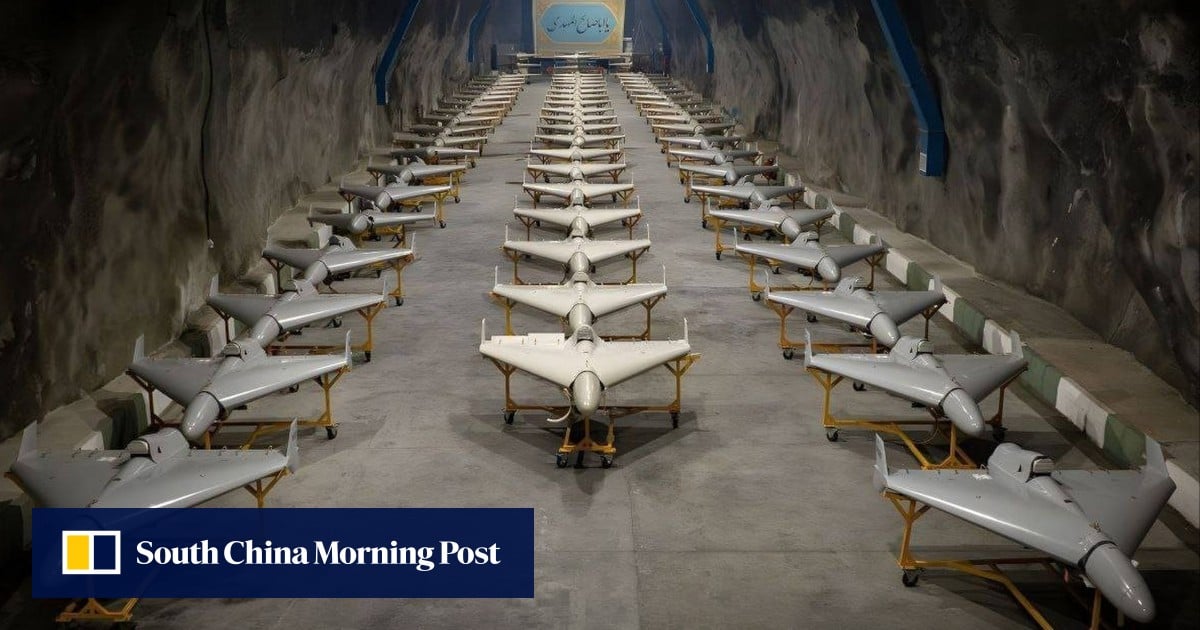
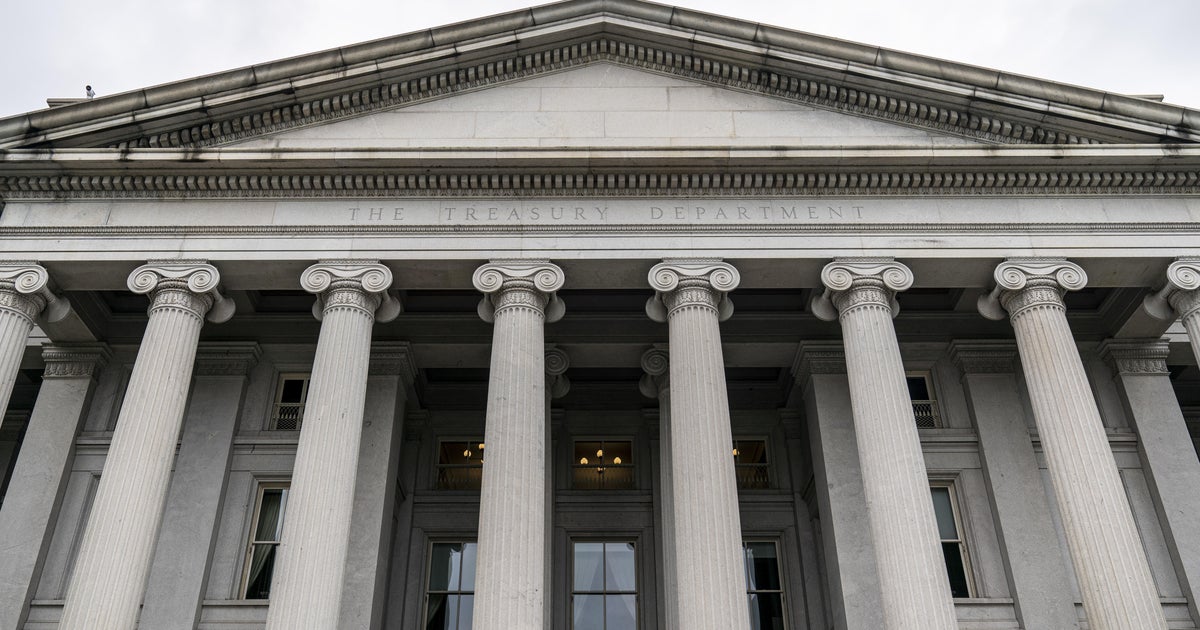
The U.S. Treasury Department announced sweeping new sanctions Saturday against 11 entities and three individuals across China, Hong Kong, the United Arab Emirates, Belarus and Iran, accusing them of supplying materials, components and financing that have allowed Tehran to continue producing ballistic missiles and attack drones even under the strain of the ongoing war. The package — the fourth of its kind in three weeks — targets nine mainland Chinese and Hong Kong-based companies, marking the largest single hit on China-linked entities of the conflict and adding fresh friction to U.S.-China relations five days before President Donald Trump is scheduled to land in Beijing for a summit with Xi Jinping.
The Office of Foreign Assets Control's designation list named Shanghai-based Yushita Shanghai International Trade Co Ltd, which Treasury said had brokered the export of high-grade carbon fiber used in Iranian solid-fuel ballistic missiles; Ningbo-based Hitex Insulation Ningbo Company, accused of shipping "millions of dollars" worth of insulation materials used in missile-research flight tests; and Hong Kong-based AE International Trade Co Limited and HK Hesin Industry Co Limited, both alleged to have served as front companies for the Iranian Aerospace Industries Organization. Dubai-based Elite Energy FZCO and two Belarus-based firms whose names were redacted in the public list were also designated. The action freezes any U.S. assets the entities hold and bars American persons or banks from transacting with them.
"While the surviving IRGC leaders are trapped like rats in a sinking ship, the Treasury Department is unrelenting in our Economic Fury campaign," Treasury Secretary Scott Bessent said in the press release announcing the sanctions, deploying language that has become a signature of his tenure since the war began in late February. Deputy Treasury Secretary Michael Faulkender, who briefed reporters on a 30-minute call Saturday morning, said the action followed roughly six weeks of intelligence work by the Treasury's Office of Intelligence and Analysis and the FBI's Counterproliferation Division, and was timed to send "an unmistakable signal" before Trump's planned arrival in Beijing on Wednesday.
China's Foreign Ministry rejected the sanctions in a sharply worded statement Sunday, with spokesperson Mao Ning calling the designations "unilateral, illegal and a textbook case of long-arm jurisdiction" and warning that Beijing would "take all necessary measures to safeguard the legitimate rights and interests of Chinese companies." Chinese state media outlet Global Times went further, suggesting in a Monday editorial that the sanctions could prompt Beijing to delay or reduce the scope of the planned U.S.-China summit. White House National Security Advisor Mike Waltz dismissed those threats on Fox News Sunday, saying "the summit is on, and Iran is going to be on the agenda whether they like it or not."
The new sanctions come on top of a separate April 20 package targeting six Chinese companies accused of supplying drone parts and a May 4 package hitting Iranian banks routing payments through Russian institutions. According to a Treasury Department fact sheet, the United States has now sanctioned 247 entities and 81 individuals connected to Iran's military procurement networks since the war began on Feb. 28, freezing an estimated $4.1 billion in assets globally. Senate Foreign Relations Committee Chairman Jim Risch praised the action in a statement Sunday, while Sen. Chris Van Hollen, a Maryland Democrat, said the sanctions risked "becoming a substitute for the diplomacy the administration claims to be pursuing."