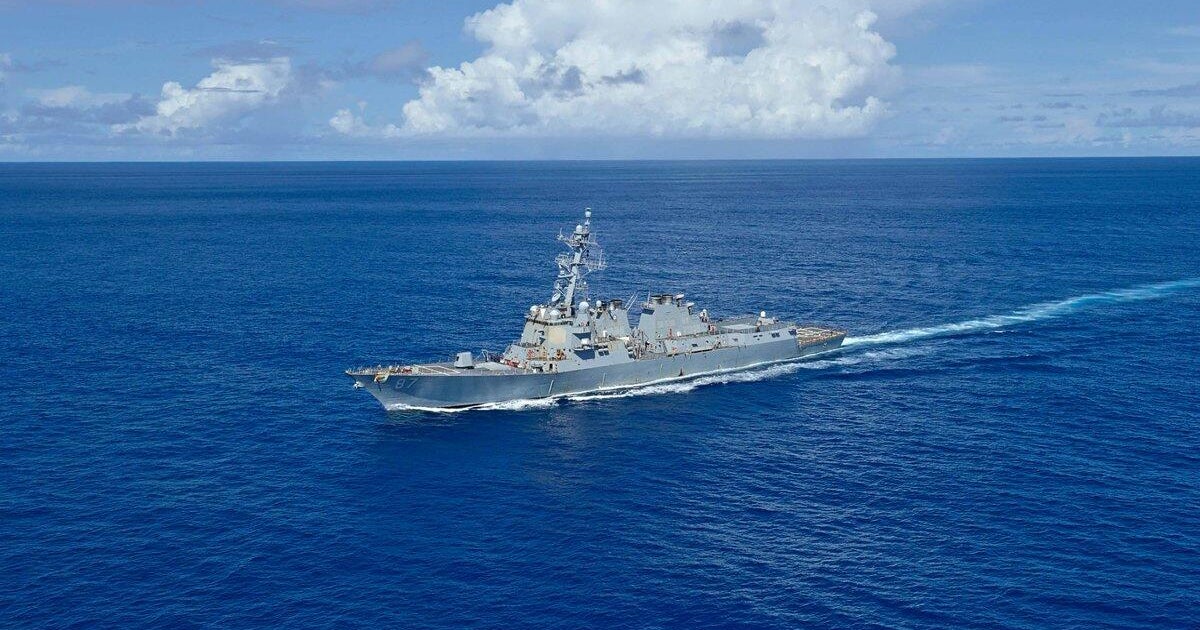
U.S. Navy Disables Two More Iranian Oil Tankers as Strait of Hormuz Erupts in Fresh Combat
Three American destroyers — the USS Truxtun, USS Mason and USS Rafael Peralta — fought off missiles, drones and small boats overnight as President Trump insisted the fragile ceasefire still holds.
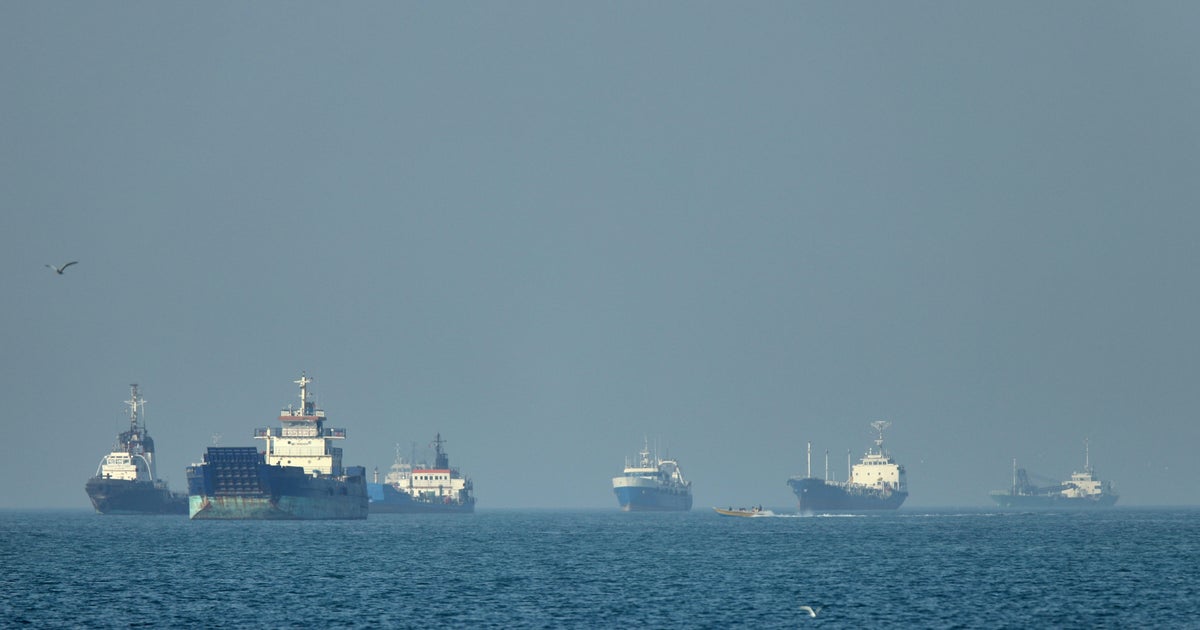
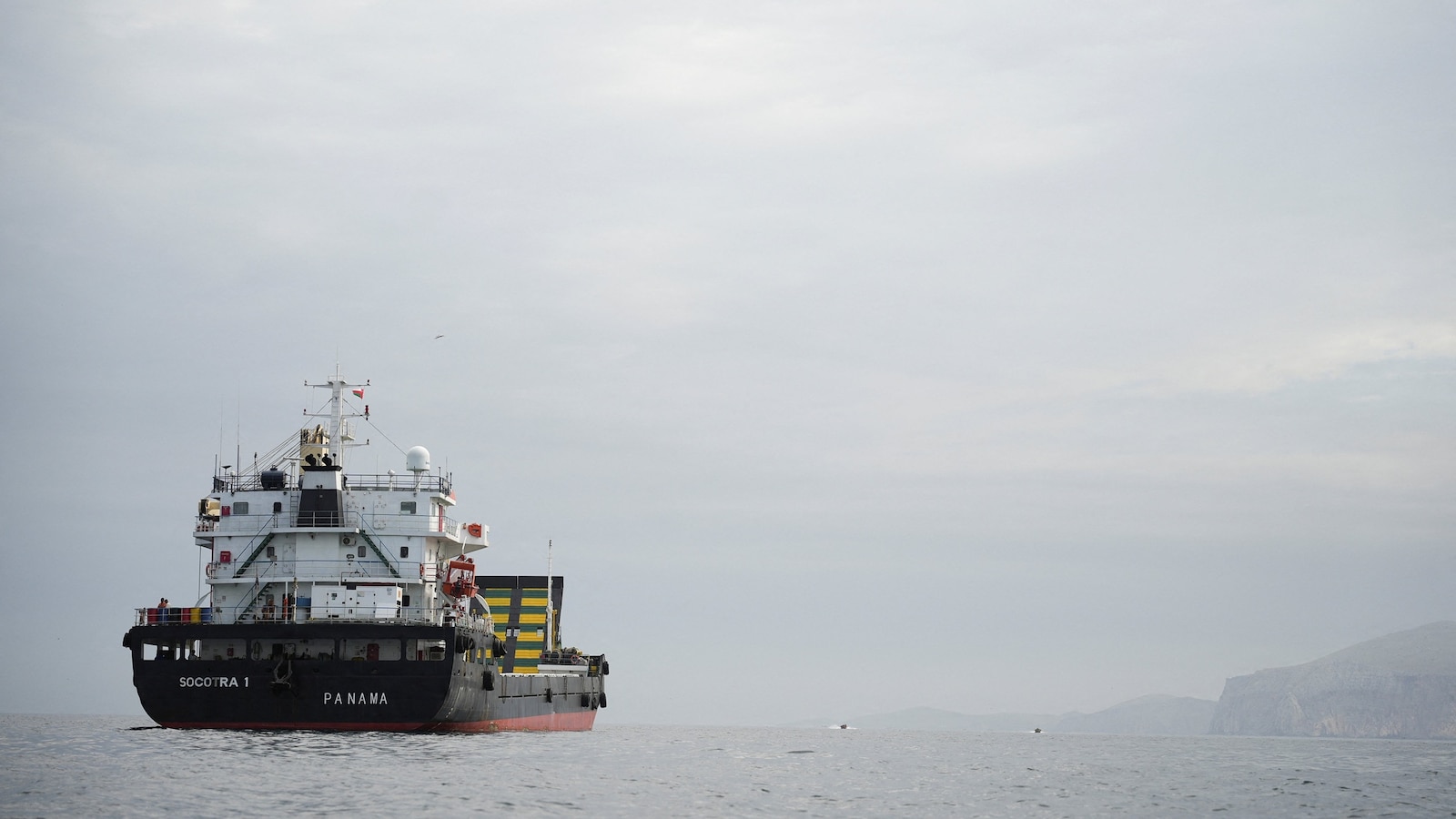
The U.S. military said Friday that its forces had fired on and disabled two more Iran-flagged oil tankers attempting to break a months-old American naval blockade in the Strait of Hormuz, hours after a fierce overnight engagement in which three Navy destroyers fought off a coordinated barrage of missiles, drones and fast-attack boats. President Donald Trump told reporters at the White House that the U.S.-Iran ceasefire "is absolutely still in place," even as the Pentagon released video of burning Iranian small craft and tanker decks engulfed in flames.
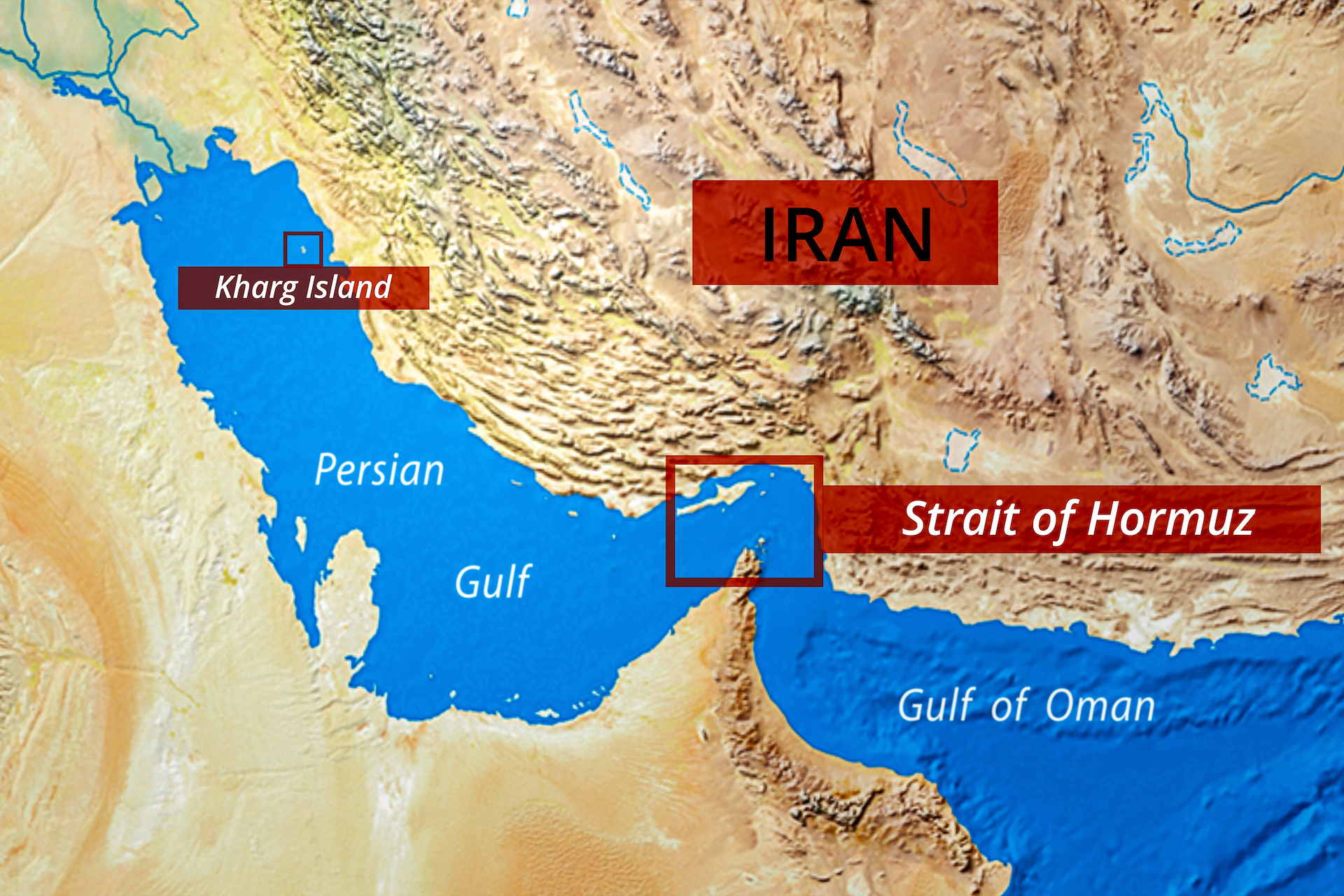
U.S. Central Command, in a statement issued shortly after midnight Eastern time, said the guided-missile destroyers USS Truxtun (DDG 103), USS Mason (DDG 87) and USS Rafael Peralta (DDG 115) "intercepted unprovoked Iranian attacks and responded with self-defense strikes" while transiting the strait toward the Gulf of Oman. "Iranian forces launched multiple missiles, drones and small boats. No U.S. assets were struck," CENTCOM said, adding that American aircraft had since destroyed the launch sites, command nodes and surveillance posts responsible for the attack on the Iranian coast near Bandar Abbas and Qeshm Island.
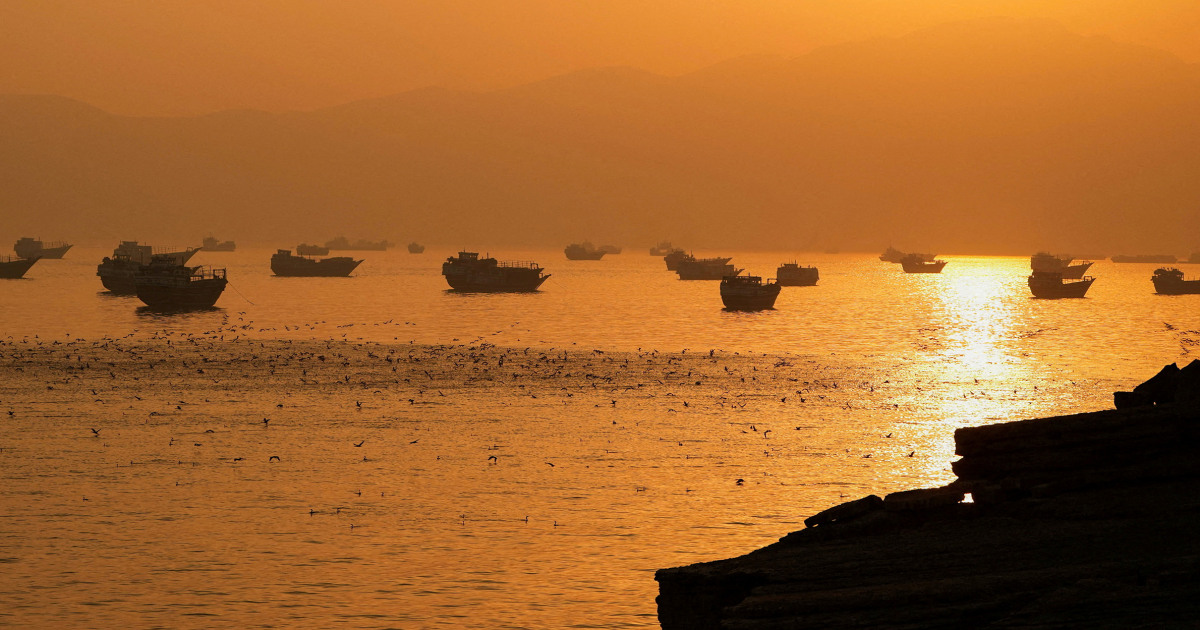
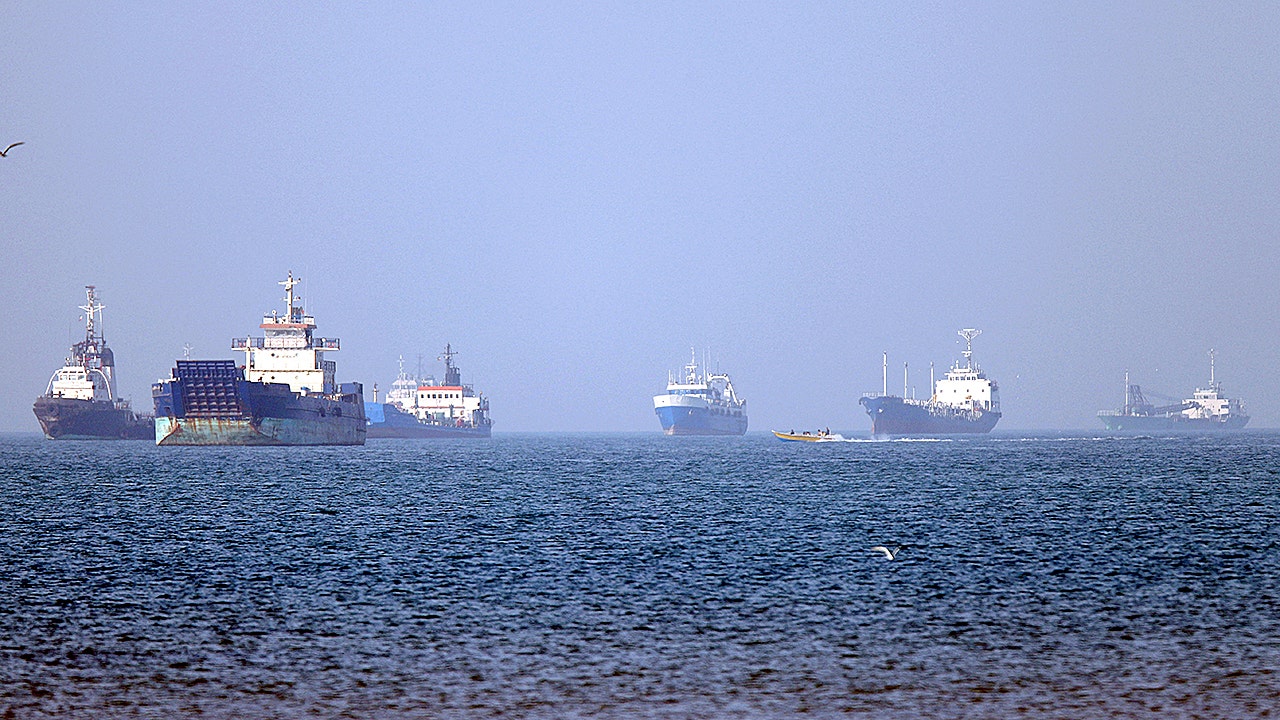
The Friday morning tanker incident, the second of its kind in five days, marked an escalation of what U.S. officials are now calling "Project Freedom" — the campaign to restore commercial shipping through the strait that has been paralyzed since American and Israeli warplanes struck Iranian nuclear sites in late February. About one-fifth of the world's oil normally flows through the 21-mile-wide chokepoint between Iran and Oman; hundreds of tankers remain bottled up in the Persian Gulf, and Brent crude jumped more than $4 a barrel on the news before settling back as Wall Street digested a strong April jobs report.
Defense Secretary Pete Hegseth, in a written statement, said the ceasefire reached on April 8 "remains in effect" and that "the United States will not initiate hostilities — but we will not allow Iranian forces to interdict lawful maritime traffic, attack U.S. ships, or hold the global economy hostage." Iran's state-run Press TV gave a starkly different account, claiming American warships had fired first on what it described as a routine Iranian patrol and that strikes on Qeshm Island and Bandar Khamir had killed at least nine people, including three civilians. Those claims could not be independently verified.
Negotiations to lock in a permanent end to the two-month-long war are continuing in Doha, where Secretary of State Marco Rubio said earlier in the day that Washington expected a formal Iranian response to the latest U.S. peace proposal "later tonight." The proposal, according to officials briefed on the talks, would require Tehran to dismantle its government-run "Hormuz Transit Authority" — a body Iran created last month to vet and tax foreign vessels — in exchange for a phased lifting of secondary sanctions on Iranian oil. Trump, departing the White House for Mar-a-Lago, said he was "very optimistic" but warned that "if they want to keep firing at our ships, we'll keep sinking theirs."