Mounjaro Dethrones Keytruda as the World's Top-Selling Drug
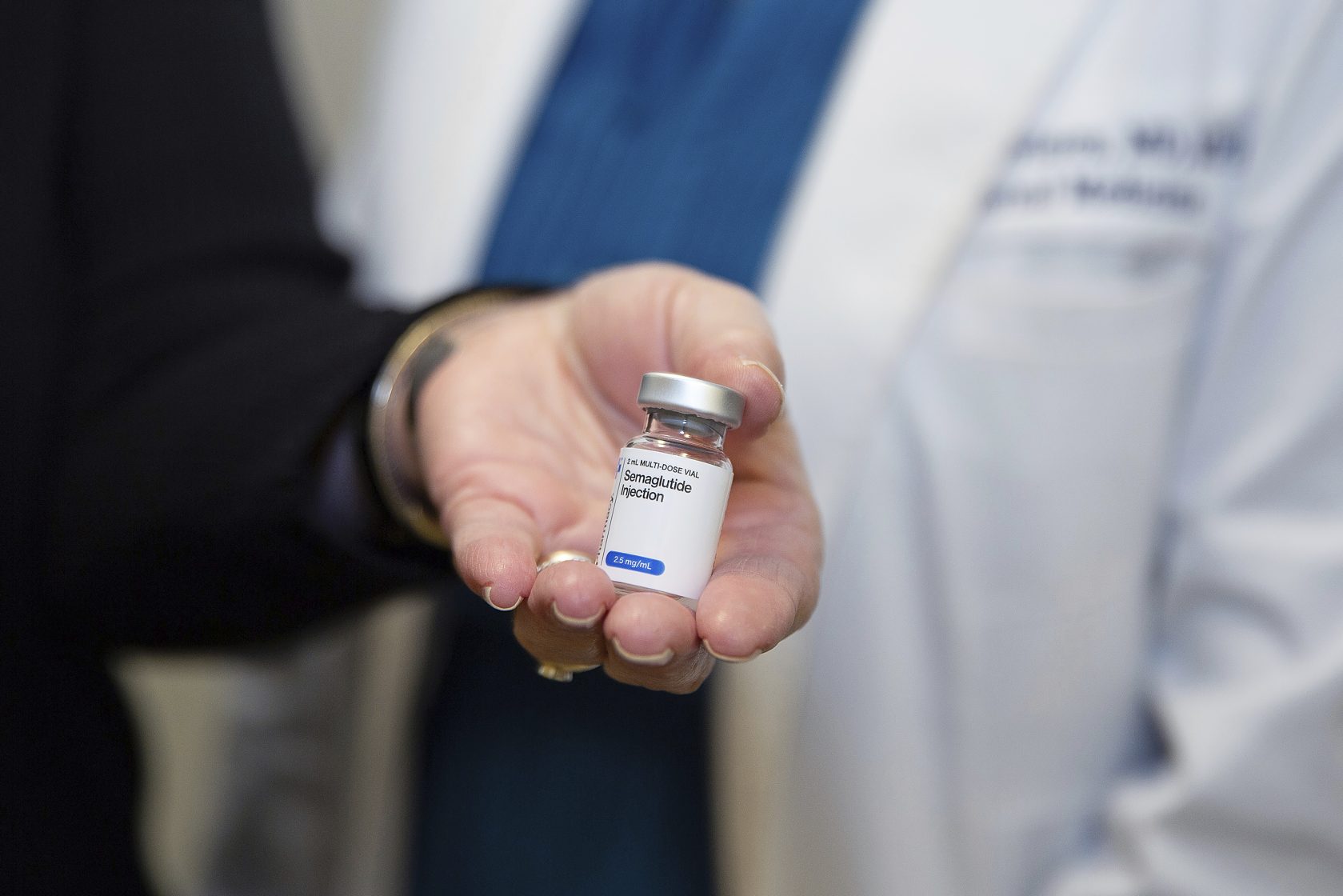
Eli Lilly's GLP-1 generated $8.7 billion in Q1 sales versus Merck's $7.9 billion, ending Keytruda's three-year reign atop global drug-revenue rankings.

Eli Lilly's diabetes and weight-loss drug Mounjaro has dethroned Merck's cancer immunotherapy Keytruda as the world's top-selling pharmaceutical, ending a three-year reign that had itself only just supplanted AbbVie's Humira at the top of the global drug-revenue rankings. Mounjaro generated $8.7 billion in first-quarter sales, Lilly disclosed in earnings released April 30 and digested by analysts through this week, compared with $7.9 billion for Keytruda in the same period.
The milestone underscores how rapidly the GLP-1 class — drugs that mimic the gut hormone glucagon-like peptide 1 to suppress appetite and improve glucose control — has reshaped pharmaceutical economics. Mounjaro's quarterly sales more than doubled from $3.84 billion a year earlier, fueled by surging demand among both diabetics and patients seeking weight loss. Lilly's total revenue climbed 56 percent to $19.8 billion, and net income jumped 168 percent to $7.39 billion. Chief Executive David A. Ricks told analysts on the earnings call that 2026 "is off to a strong start," and the company raised its full-year revenue guidance by $2 billion, to a range of $82 billion to $85 billion.
The ascent was helped by an unusual quirk of the U.S. obesity market. While Mounjaro is approved by the Food and Drug Administration only for type 2 diabetes — Lilly markets the same molecule for weight loss under the name Zepbound — physicians have been prescribing Mounjaro off-label to patients whose insurers refuse to cover Zepbound, a workaround Lilly has neither encouraged nor restricted. Analysts at Leerink Partners estimate as much as 35 percent of Mounjaro volume now comes from off-label obesity use.
Merck, for its part, faces a looming patent cliff for Keytruda, whose U.S. exclusivity begins to erode in 2028. The Whitehouse Station, New Jersey, drugmaker has been racing to diversify, announcing $36 billion in deal-making over the past 18 months, including the acquisition of Prometheus Biosciences and the licensing of immunology assets from Daiichi Sankyo. Keytruda revenue grew just 4 percent year over year — solid for any other oncology asset, but glacial in a market reset by GLP-1 fever.
Lilly is not slowing down. The company highlighted FDA approval last month of Foundayo, the only GLP-1 pill on the U.S. market with no food-or-water timing restrictions, and said it expects regulatory submissions for retatrutide — a triple-receptor agonist that has produced 24 percent average weight loss in trials — by year-end. "What's striking is that Lilly's pipeline behind Mounjaro and Foundayo is arguably even more impressive than what's already on the market," said Geoffrey Porges, head of biotech research at Leerink. "The next decade of pharmaceutical revenue is being written in Indianapolis, and Merck has to figure out a second act fast."