Spirit Airlines Shuts Down, Ending a 25-Year Streak Without a Major U.S. Airline Collapse
The discount carrier flew its last flight on May 2 after a $500 million federal lifeline collapsed, leaving 17,000 workers jobless and tens of thousands of passengers stranded.

Spirit Airlines flew its last flight on Saturday, May 2, becoming the first major U.S. carrier to stop operating in 25 years and triggering a chaotic scramble that left tens of thousands of passengers stranded and 17,000 direct and indirect employees without jobs. The Florida-based discount airline, which had filed for bankruptcy twice since 2024, announced an 'orderly wind-down' on May 2 after talks with the Trump administration over a $500 million federal lifeline collapsed when a key group of creditors rejected the proposed rescue package.
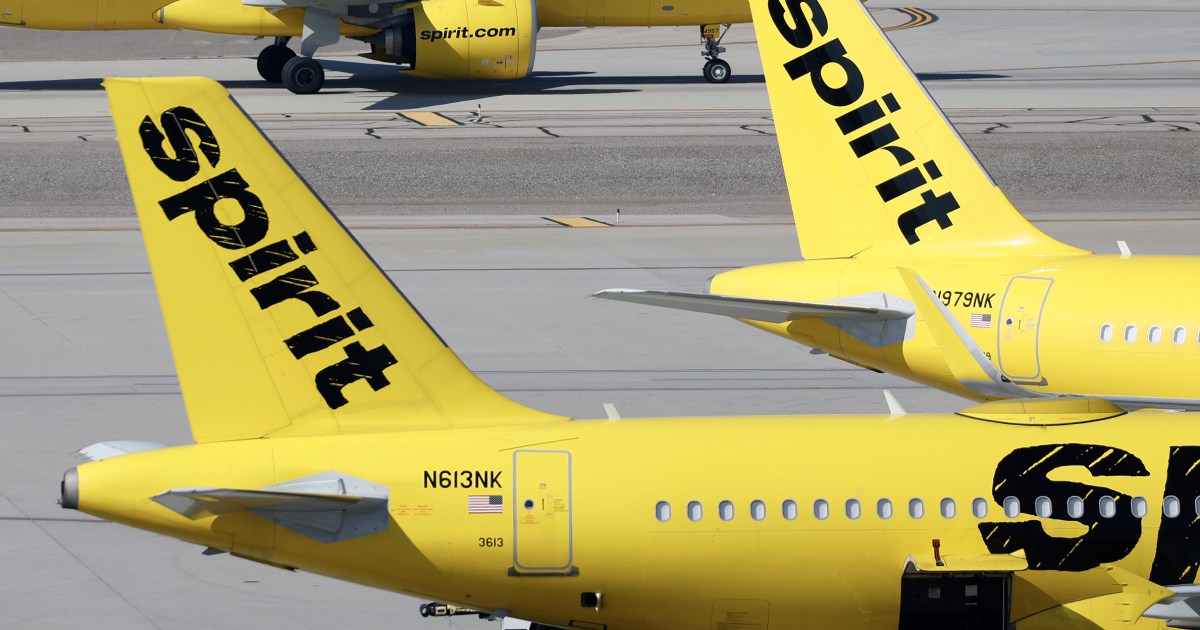
'Godspeed, my friend,' one veteran captain told colleagues over an open frequency as the final Spirit jet, an Airbus A320 ferrying repositioning crew, taxied into Fort Lauderdale-Hollywood International Airport just before midnight on Saturday. Spirit's website went dark hours later, replaced by a notice apologizing to customers and directing ticket holders to seek refunds through their credit card issuers. 'Thank you, and sorry to the American public,' the message read. 'We tried everything we could.' By Sunday morning, more than 90 Spirit aircraft sat idle on tarmacs from Fort Lauderdale to Las Vegas, with many already being recalled by lessors that owned the planes.
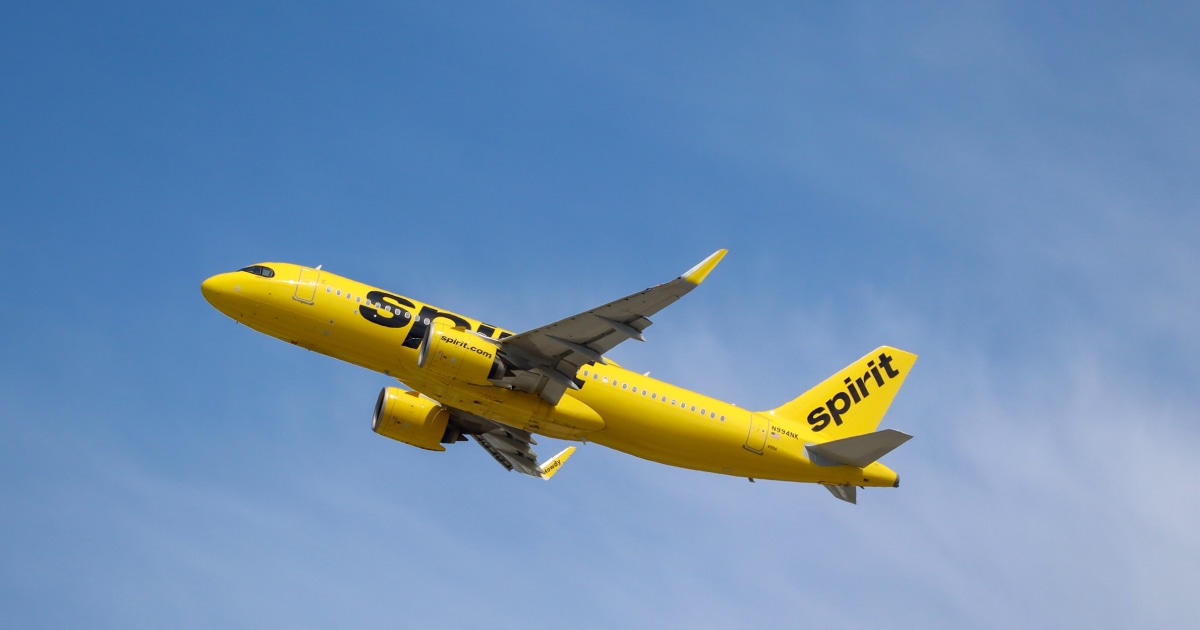
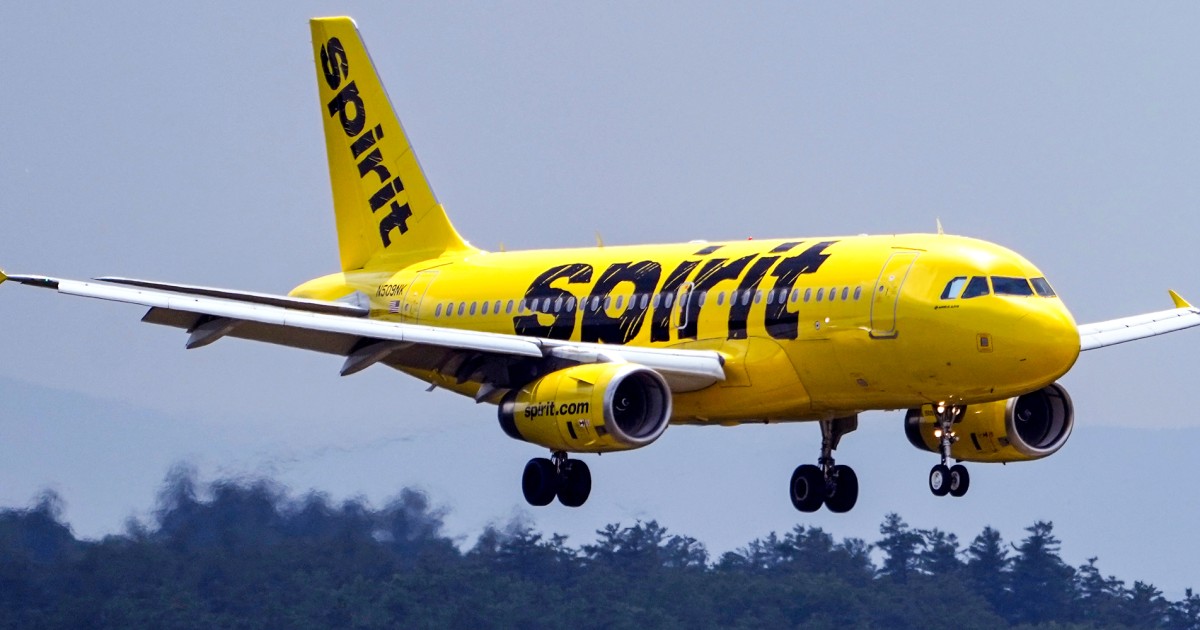
The collapse marks the end of a brand that defined the bare-bones, fee-driven model of American air travel. Founded in 1980 as a trucking outfit before pivoting to charters in the 1990s, Spirit grew into the country's largest ultra-low-cost carrier, carrying more than 40 million passengers in its peak year. Its yellow jets, cramped seat pitch and a la carte pricing for everything from carry-on bags to printed boarding passes were both a punchline and a legitimate budget option for millions of leisure travelers. A proposed merger with JetBlue was blocked by federal antitrust regulators in early 2024, and Spirit never recovered financially.
The surge in jet fuel prices triggered by the U.S.-Iran war in the Strait of Hormuz proved decisive. Spirit's filings showed the airline was burning through more than $20 million in cash per week in April as Brent crude flirted with $130 a barrel. CEO Ted Christie, in a memo to employees on May 1, said the carrier had 'simply run out of runway' and could no longer meet payroll, fuel obligations or aircraft lease payments. American Airlines, JetBlue, Southwest and United have since absorbed tens of thousands of stranded Spirit customers, with most major carriers offering capped fares to affected passengers through May 18.
The ripple effects extend well beyond Spirit's terminals. The Department of Transportation said Wednesday it is investigating refund handling, and lawmakers from Florida and Nevada — where Spirit had its largest hubs — have called for hearings. About 3,300 pilots and 6,200 flight attendants are now competing for jobs at rival airlines that have already slowed hiring as oil prices weigh on demand. For consumers, the disappearance of Spirit's roughly 8% share of domestic capacity is expected to push fares higher on dozens of leisure routes through the summer travel season, according to estimates from Cirium and Airlines for America.