Lawmakers Press Trump to Advance Delayed Taiwan Arms Sale Before Xi Meeting
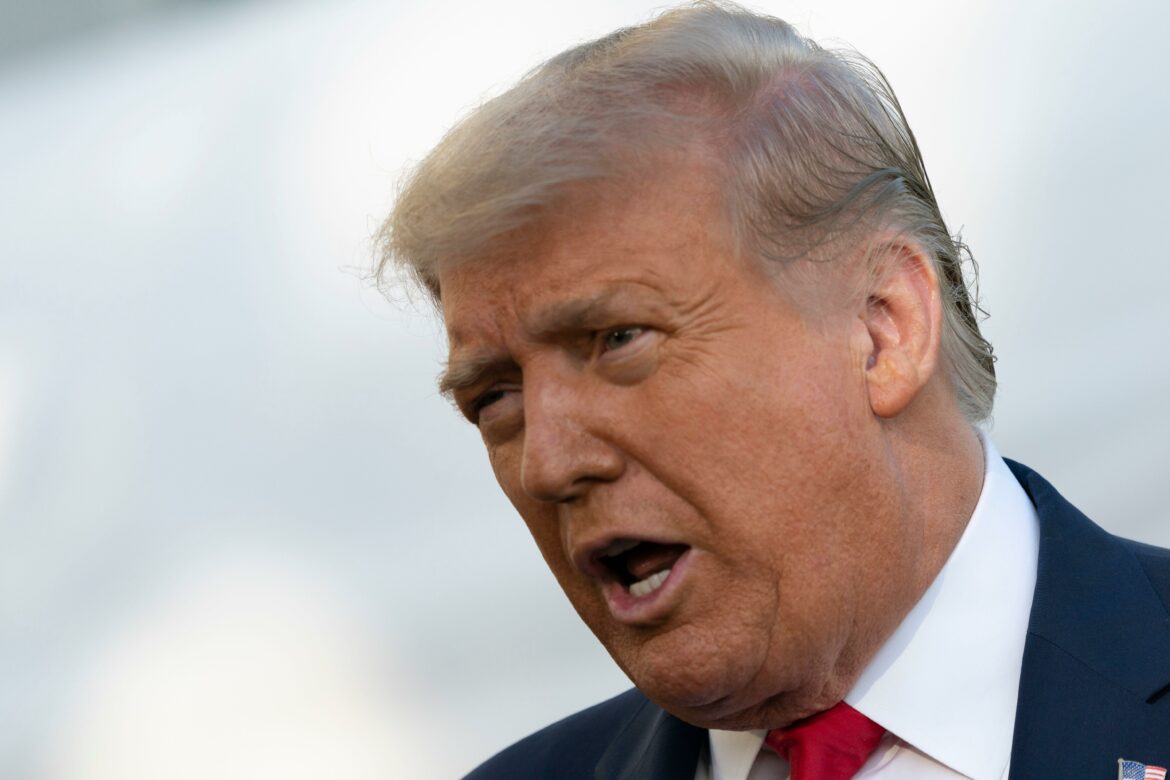
The Trump administration has held up weapons sales to Taiwan for months ahead of President Trump's scheduled meeting with Chinese President Xi Jinping this week.

Congressional lawmakers from both parties are urging President Trump to move forward with a long-delayed arms sale to Taiwan, as the administration has kept the weapons transfer on hold for months while preparing for Trump's high-stakes meeting with Chinese President Xi Jinping scheduled for this week. The delayed sale has become a flashpoint in U.S.-China relations and a test of America's commitment to Taiwan's defense capabilities.
The arms package, which includes advanced missile defense systems and other military equipment, was originally scheduled for approval earlier this year but has been repeatedly postponed as the White House weighs diplomatic considerations ahead of the Trump-Xi summit. Administration officials have indicated that the timing of the sale could impact broader negotiations with Beijing on trade issues and the ongoing Iran conflict.
Senators from both parties have expressed concern that delaying the arms sale sends the wrong message to both Taiwan and China about American resolve in the region. The weapons transfer is part of a broader U.S. commitment to help Taiwan maintain adequate defensive capabilities, as mandated by the Taiwan Relations Act. Defense analysts argue that modern military equipment is essential for Taiwan's ability to deter potential Chinese military action.
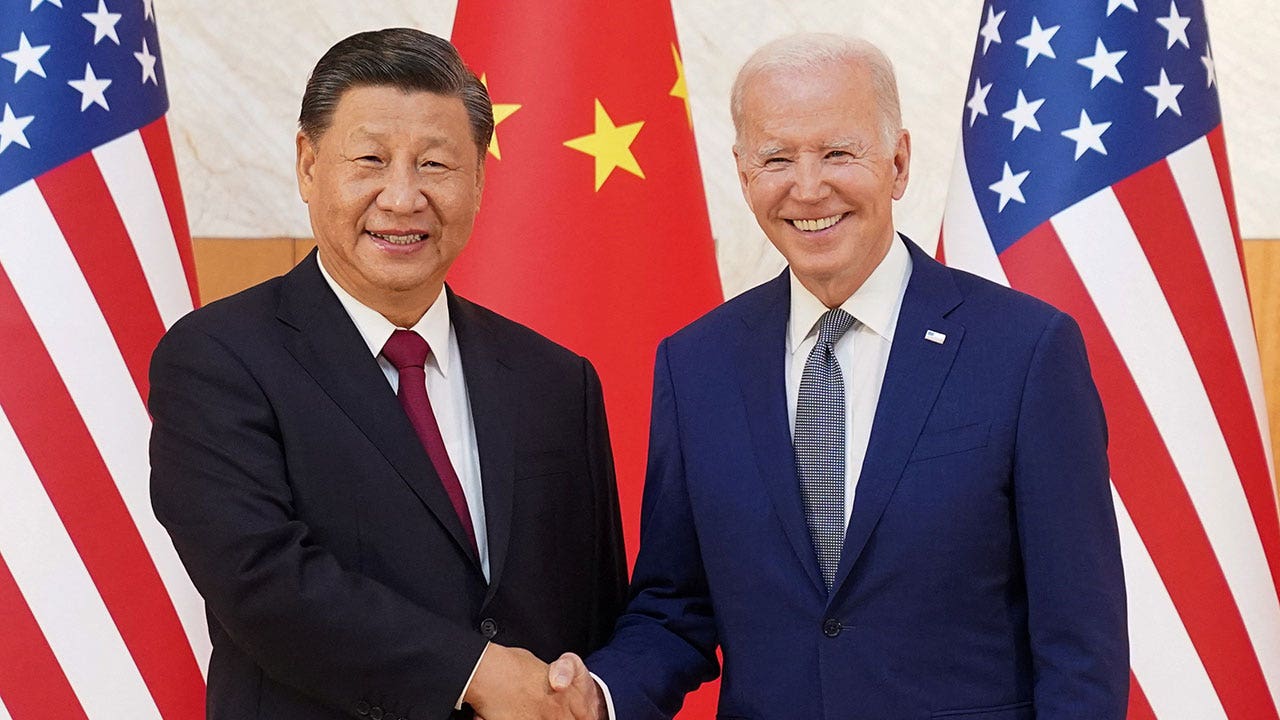
The timing pressure has intensified as Trump prepares for what could be one of the most consequential meetings of his presidency with Xi Jinping. The summit is expected to address multiple contentious issues including trade disputes, the Iran war's impact on global markets, and territorial disputes in the South China Sea. Chinese officials have previously indicated that arms sales to Taiwan represent a significant irritant in U.S.-China relations.
Taiwan's government has maintained that the weapons are necessary for legitimate self-defense purposes and has worked closely with U.S. defense contractors to ensure compatibility with existing military systems. The island democracy faces increasing military pressure from Beijing, which considers Taiwan a breakaway province and has not ruled out the use of force to achieve unification. The congressional pressure on Trump reflects broader bipartisan concern about maintaining deterrence in one of the world's most strategically important regions.