House Ethics Committee Speeds Up Sexual Misconduct Probes After Two Members Resign
The panel can now issue subpoenas without a full committee vote and says the changes should shorten investigations 'by several months or more.'
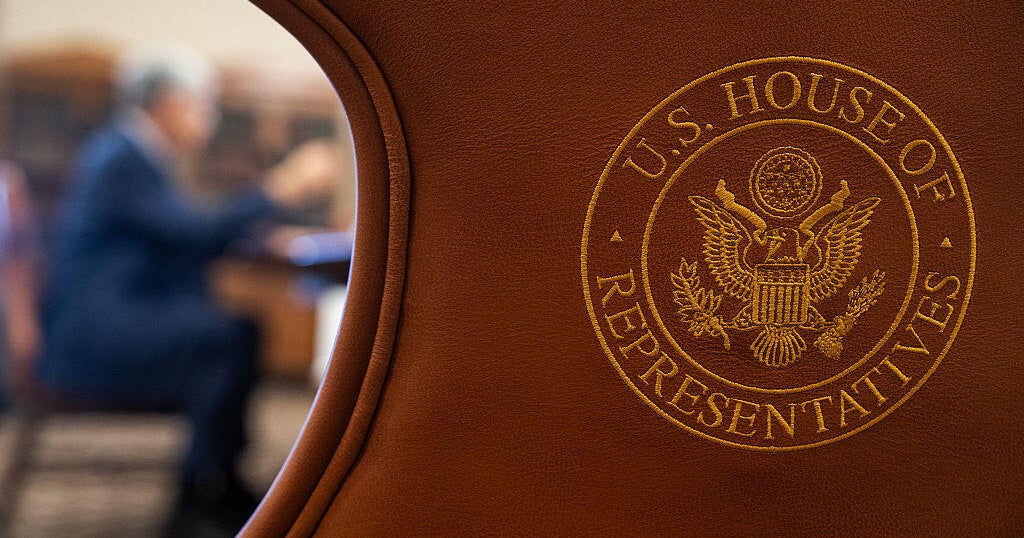
The House Ethics Committee on Thursday approved several changes meant to improve how the secretive bipartisan panel handles sexual misconduct investigations. The pace of its work has come under scrutiny after several members of Congress were accused of sexual misconduct this year.
Two lawmakers, Democratic Rep. Eric Swalwell of California and Republican Rep. Tony Gonzales of Texas, resigned before the committee could finish its work. Other members under investigation for sexual misconduct either ended their campaigns or lost their reelection bids.
The panel met briefly Thursday afternoon in a rare public meeting to discuss the proposed changes. The most significant one delegates subpoena authority to the committee's chairman and ranking member, instead of requiring a vote of the full committee on each subpoena. The committee said the change should "significantly expedite" its investigations.
The committee also codified its longstanding policy of publicly disclosing when a member has been found to have engaged in sexual harassment or other sexual misconduct, while protecting the identity of victims. It consolidated duplicative procedural steps and simplified the process, which it said should "accelerate the conclusion of investigations by several months or more while still providing for important due process protections." Another change expands the circumstances in which fines and denials of privileges are considered appropriate sanctions.
Rep. Mark DeSaulnier of California, the top Democrat on the committee, said in a statement Friday that "the House of Representatives must have a zero-tolerance policy for sexual harassment and misconduct." He said the committee is committed to ensuring that its practices "sufficiently hold perpetrators accountable and deliver justice for survivors."
The timing of investigations has been a recurring complaint. Because the committee typically cannot act against a former member, a resignation ends its jurisdiction, as happened in the Swalwell and Gonzales cases. Faster subpoenas and a shorter process are meant to let the panel reach findings before a member leaves office or an election ends the matter.
The committee's changes are separate from a bipartisan initiative formed earlier this year to propose broader reforms to how the House handles sexual misconduct claims. That group, led by Rep. Kat Cammack, a Florida Republican, and Rep. Teresa Leger Fernández, a New Mexico Democrat, has not yet released its recommendations.
Democrats won control of the House in this month's midterm elections, so the new Congress that takes office in January will inherit both the revised ethics rules and whatever the Cammack and Leger Fernández group proposes.