Gold Star Families Say Army Briefings Leave Questions on Kuwait Drone Strike Unanswered
The Pentagon is preparing to release its report on the March attack that killed six Army Reserve soldiers. Relatives who have been briefed say it does not address warnings that were ignored.
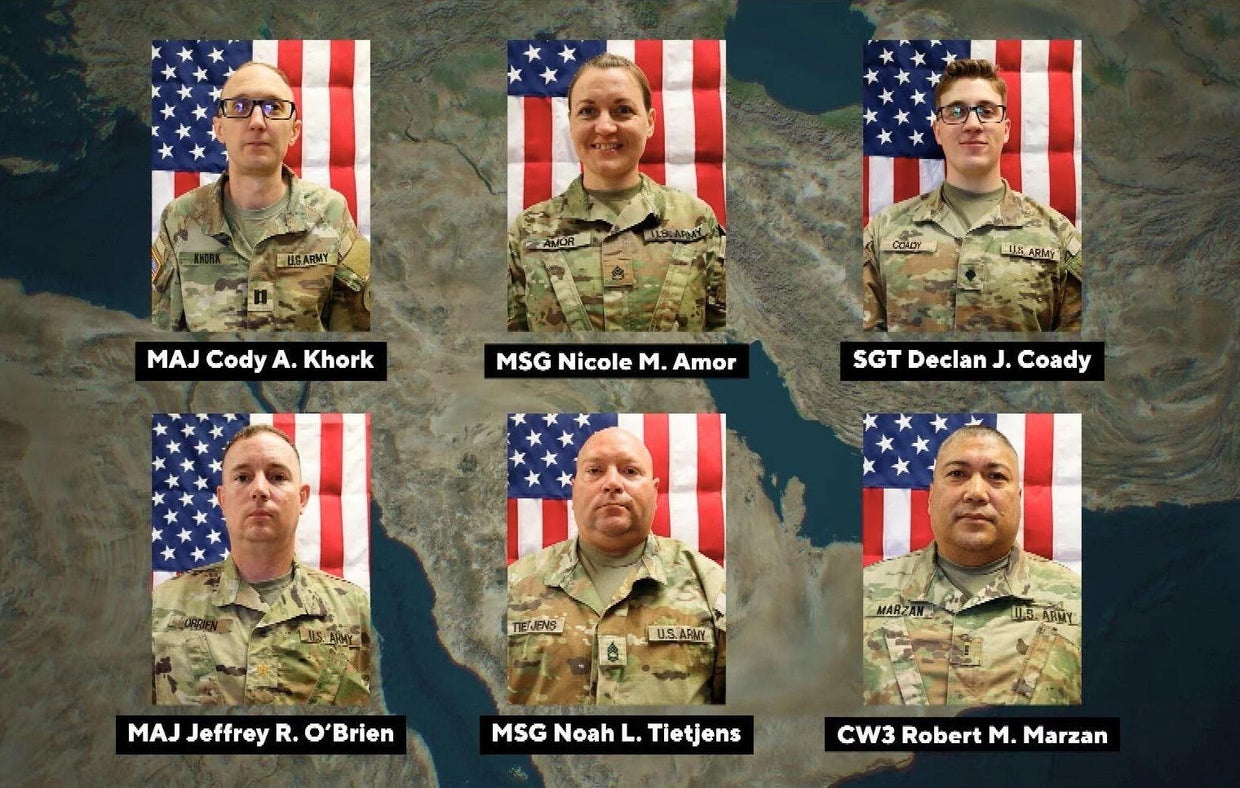
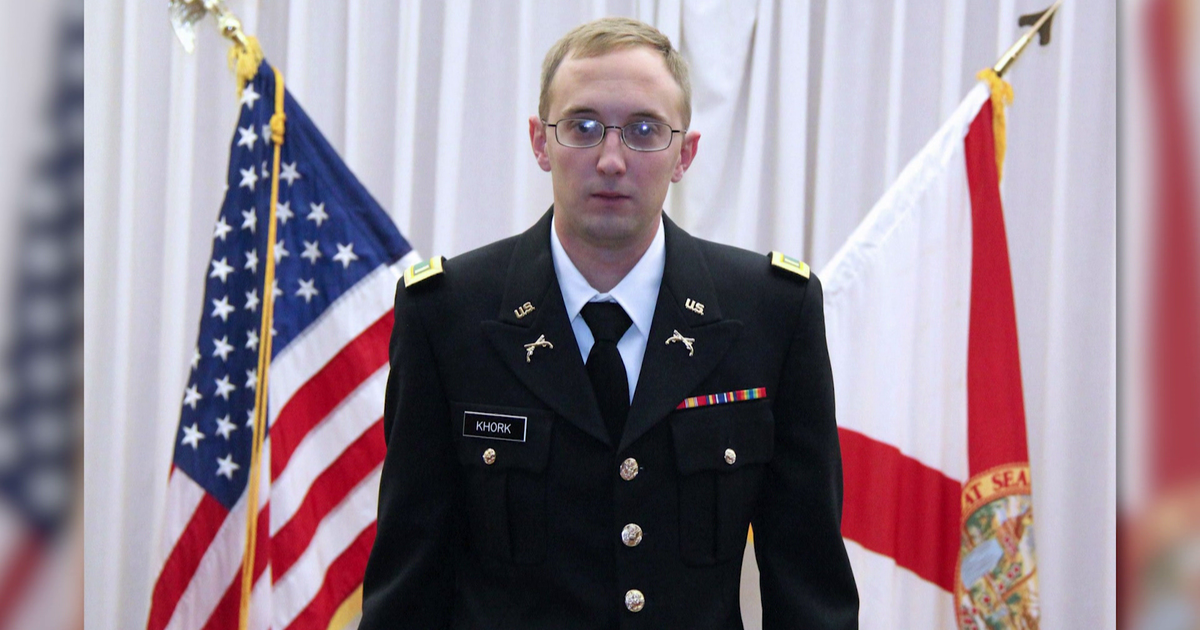
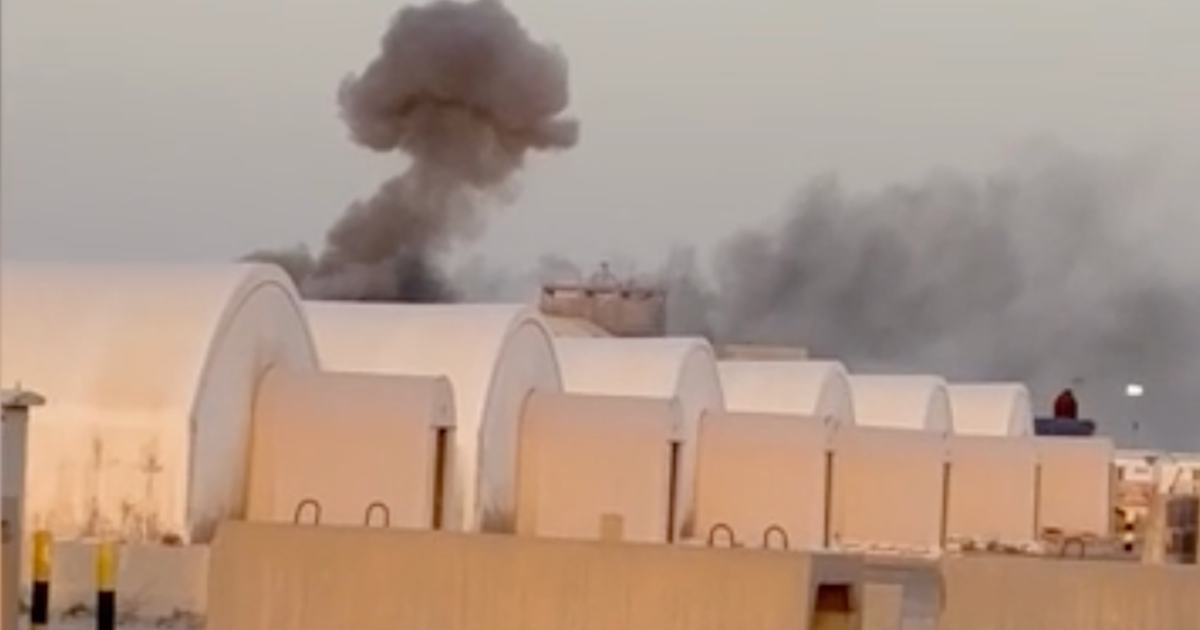
Families of six Army Reserve soldiers killed in an Iranian drone strike in Kuwait say they came away from Army briefings this week without the answers they wanted. The Pentagon is preparing to release the unclassified results of its internal investigation into the March 1 attack at Port Shuaiba, which has not yet been made public but could be released within days.
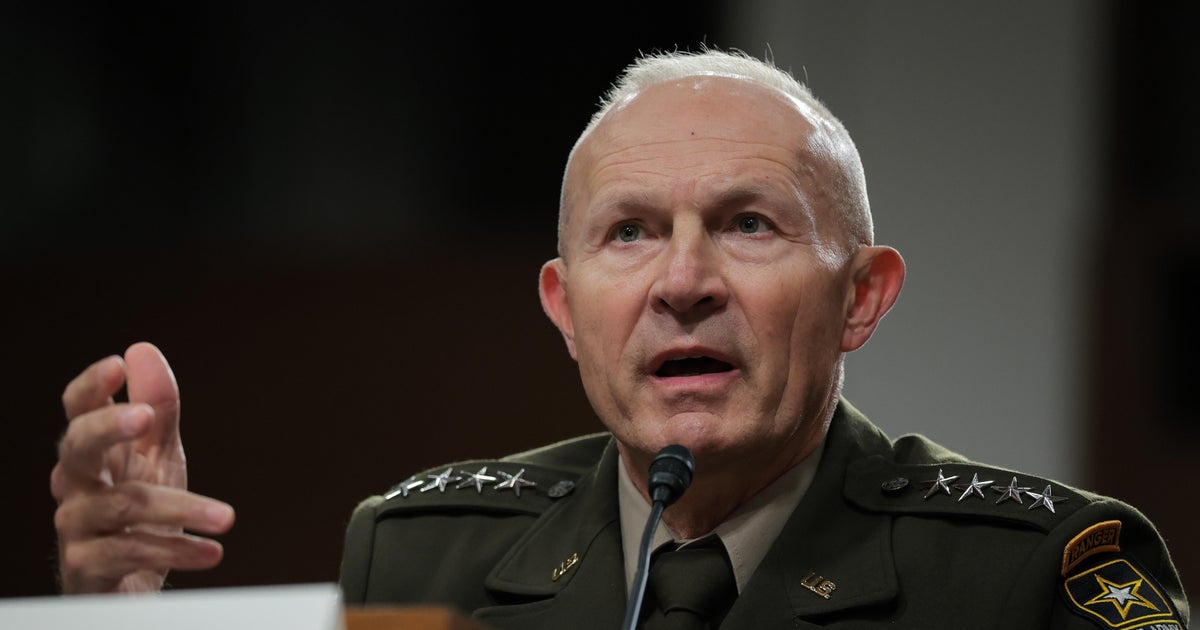
Over the past week, the Army briefed at least three Gold Star families on the findings, according to CBS News. The briefings were led by Brig. Gen. Peter Glass, deputy commander of U.S. Army Central, and were held individually at military or National Guard posts near each family. Several relatives told CBS News the report does little to address the findings of an eight-month CBS News investigation, in which multiple sources said Army commanders ignored repeated warnings about the drone threat in the weeks before the attack.
"I wish I felt better," one family member said after a briefing that lasted about three hours. "I wish this gave me more than what I had yesterday or what I had the day before." Another said, "Going in I had an idea of what I wanted to know. I just knew I wasn't going to get answers, and I was right." One briefing was described as mostly cordial but grew tense when relatives pressed on why the unit was moved to Port Shuaiba when most other soldiers were sent out of Kuwait before the launch of Operation Epic Fury.
Witnesses have told CBS News the facilities were not fortified against one-way attack drones, a staple of Iran's arsenal. Soldiers at the site said they had seen U.S. intelligence before the war showing the location was on an Iranian target list, and they said the site lacked enough medical supplies and a plan for a mass-casualty event.
The briefings came days after Army Maj. Stephen Ramsbottom, who survived the strike, filed a whistleblower complaint with the House and Senate Armed Services Committees on Nov. 13. He alleges Army leaders were warned about drone threats and that the command post had "no dedicated protection" against them. In an interview with CBS News and 60 Minutes, he named Brig. Gen. Clint Barnes, who commanded the unit, and Maj. Gen. John Hinson, who oversaw logistics, as officials who dismissed warnings about the site. Neither responded to requests for comment. Ramsbottom has called for an independent investigation.
Joey Amor, whose wife, Master Sgt. Nicole Amor, was among the dead, told 60 Minutes he believes she might have survived under a better plan. "I think my wife had a shot, yeah," he said. He added that investigators told him no amount of medical resources would have saved her given the severity of her injuries.
The Pentagon has declined to comment for months, though it confirmed that its investigation wrapped up in June. The Army shared its findings with families only in mid-November, which is another sore point for some of them. With the report due out soon, relatives and Ramsbottom are pressing for an outside review, and the Armed Services Committees now hold a formal complaint naming senior officers.