Army Major Who Survived Kuwait Drone Strike Says Leaders Ignored Warnings Before Six Soldiers Died
Maj. Stephen Ramsbottom tells 60 Minutes the Port Shuaiba command post was thinly protected, with no physician and one ambulance, contradicting Hegseth's claim that troops were well protected.
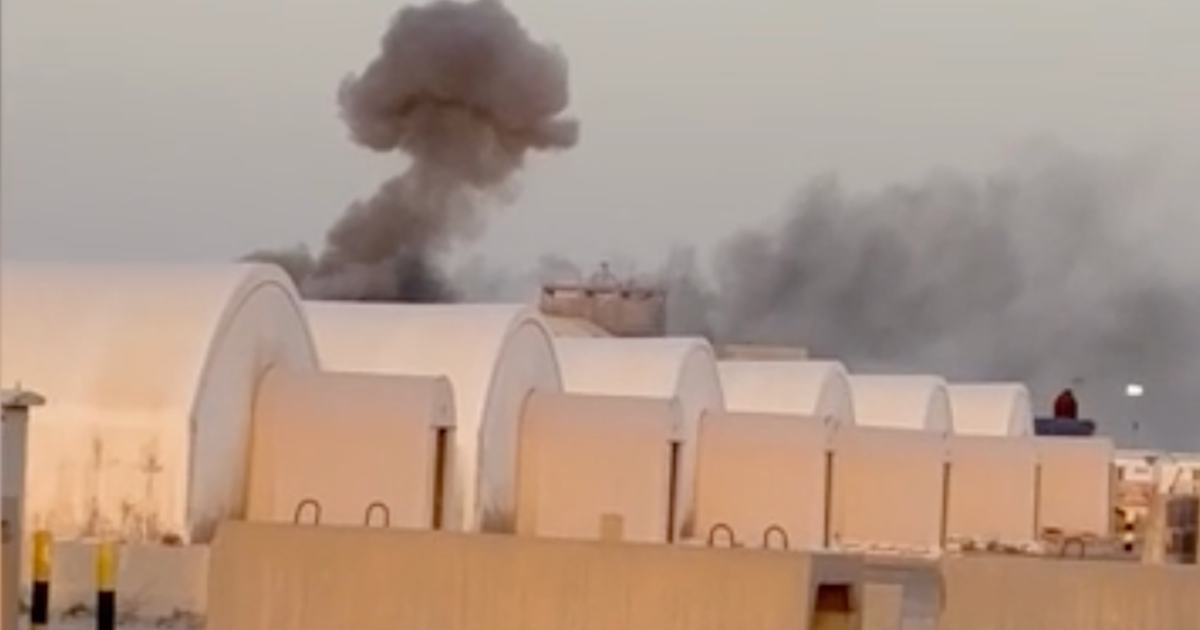
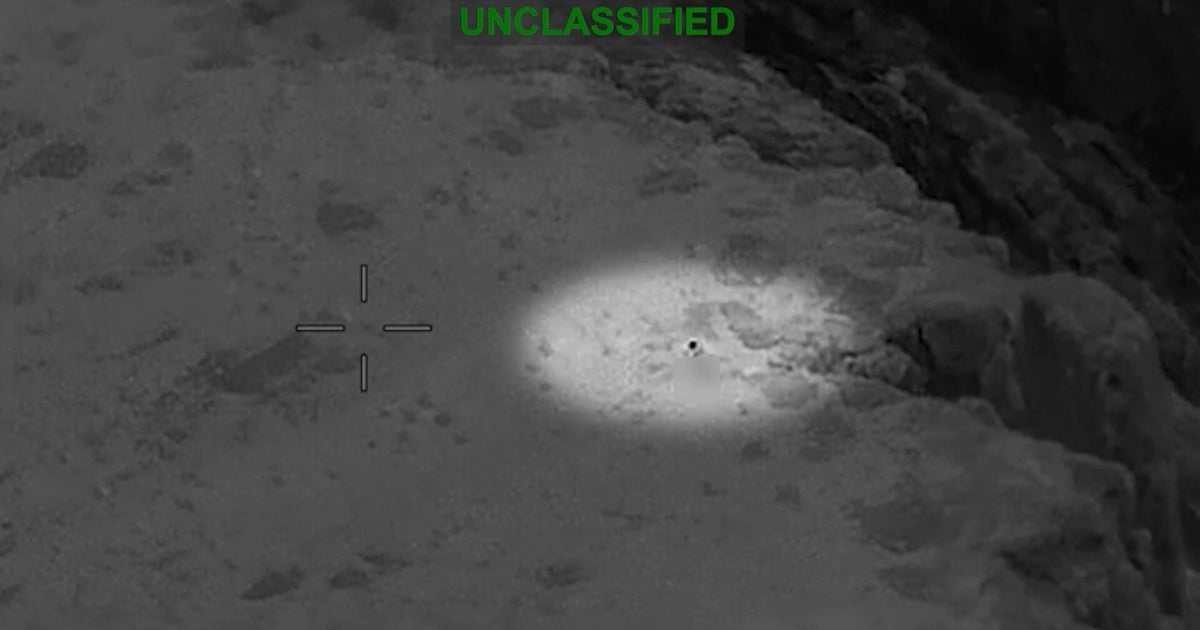
A U.S. Army major who survived the deadliest Iranian attack on American troops in the Iran war has filed a whistleblower complaint alleging that Army leaders dismissed concerns about weak fortifications and failed to prepare anti-drone defenses before the strike that killed six soldiers in Kuwait.
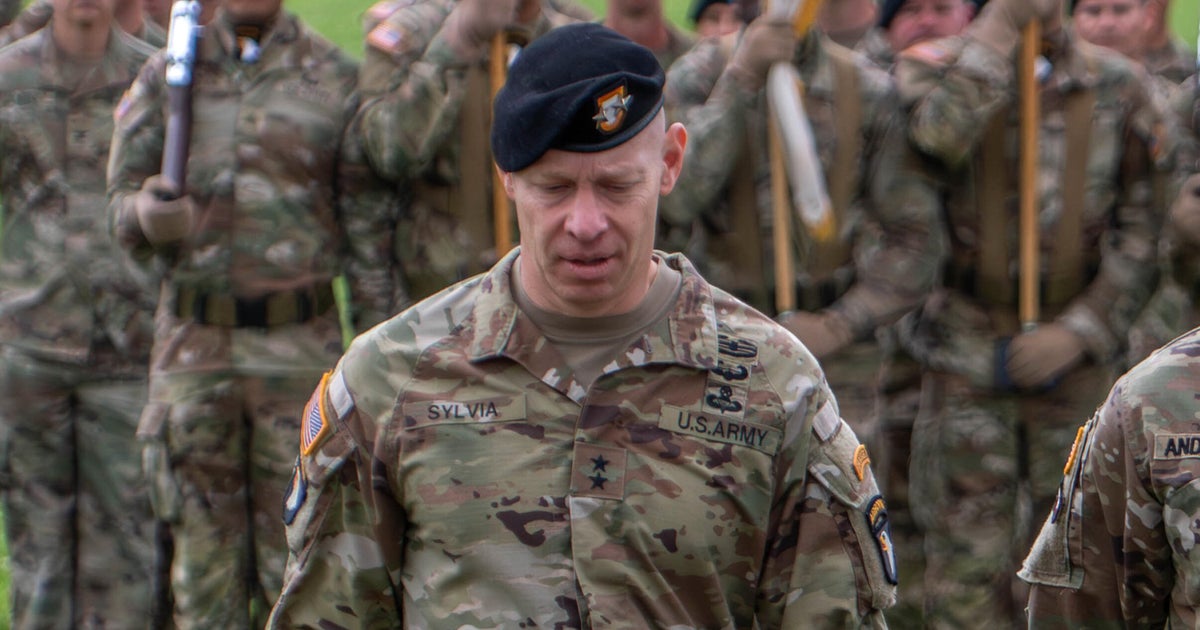
Maj. Stephen Ramsbottom spoke exclusively with Norah O'Donnell of 60 Minutes as part of an eight-month investigation into the March 1 attack on Port Shuaiba, a U.S. command post in Kuwait. The strike came one day after the United States and Israel launched Operation Epic Fury. Ramsbottom filed the complaint with the House and Senate Armed Services Committees on Friday, and CBS News obtained a copy.
According to the complaint, senior officials ignored warnings about the post's thin protections and did not adequately plan for drone defense. The document also says Port Shuaiba had no physician, no fixed aid station and only one ambulance when the drone struck. Ramsbottom did not exempt himself from blame. He called the outcome "a tactical failure by the Army, our leadership, and myself" and said the Army "did not plan this well," adding that the failure should become a lesson learned.
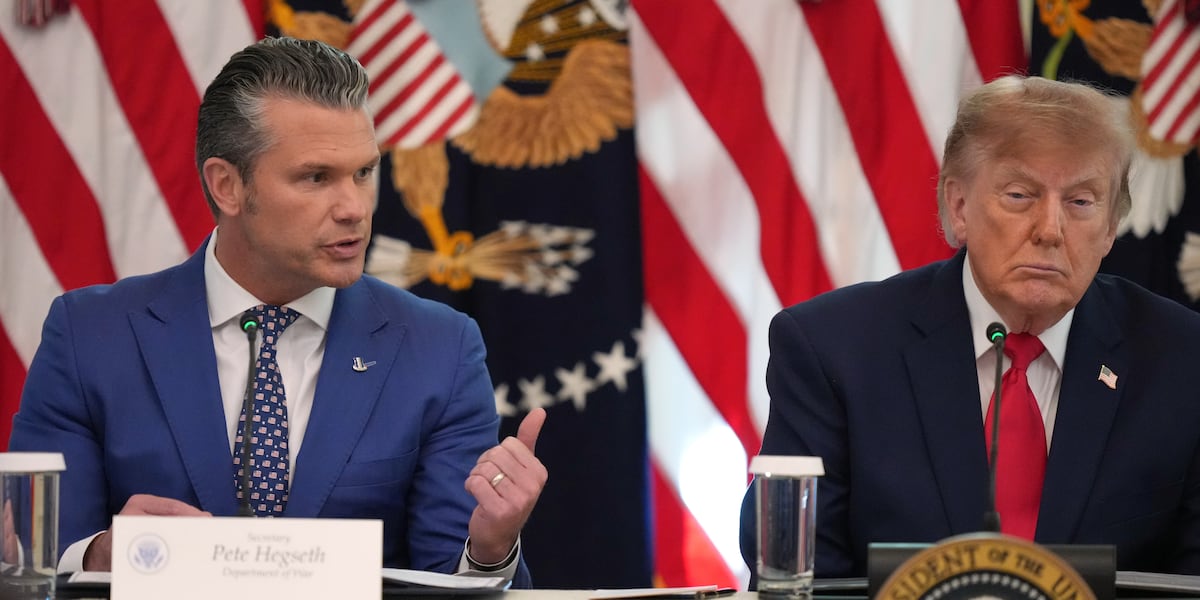
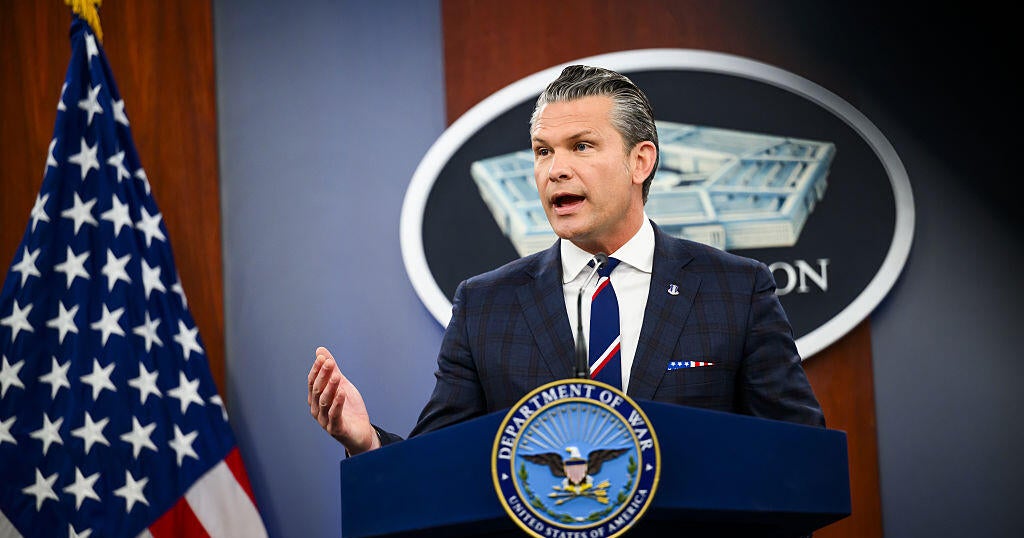
His account sits uneasily with what Defense Secretary Pete Hegseth said publicly the day after the attack. At a press conference, Hegseth said the troops were well protected. He described the strike as a drone that "squirter[ed]" through and said it "happened to hit a tactical operations center that was fortified."
Congress is already responding. Sen. Richard Blumenthal, D-Conn., the ranking member of the Senate Permanent Subcommittee on Investigations, reviewed the complaint and sent Hegseth a letter dated Sunday. He asked the defense secretary to attend a classified briefing and to hand over all force protection assessments for Port Shuaiba. Blumenthal said the families of the fallen, the wounded and the public deserve transparency and accountability.
A Pentagon spokesperson declined to comment on Ramsbottom's allegations, including whether adequate force protection was in place at the post.
The disclosure adds to mounting scrutiny of how the administration has run the war. Democrats, who won control of both chambers of Congress in this month's midterm elections, have said they will investigate the administration's handling of the Iran war when they take power. The House voted 211-204 last week to bury a Republican-led impeachment push against Hegseth in committee, but the questions about his statements and the Pentagon's decisions have continued to surface.
For the families of the six soldiers killed at Port Shuaiba, the complaint offers the first detailed account from inside the command post of what warnings preceded the attack. Ramsbottom's decision to include his own role as part of the failure, and to take the claims to both armed services committees, is likely to make the allegations difficult for the Pentagon to wave off. Whether the committees seek his testimony, or Hegseth appears for the classified briefing Blumenthal requested, will show how aggressively Congress pursues the matter before Democrats formally take over in January.