Trump Says Iran War Cost GOP in Midterms, Calls Deportation Push 'Too Tough' at Times
In a 60 Minutes interview with Ross Douthat, the president defended the war, blamed 'bad messaging' on the economy and hinted at more firings, an hour before Susie Wiles' exit was announced.
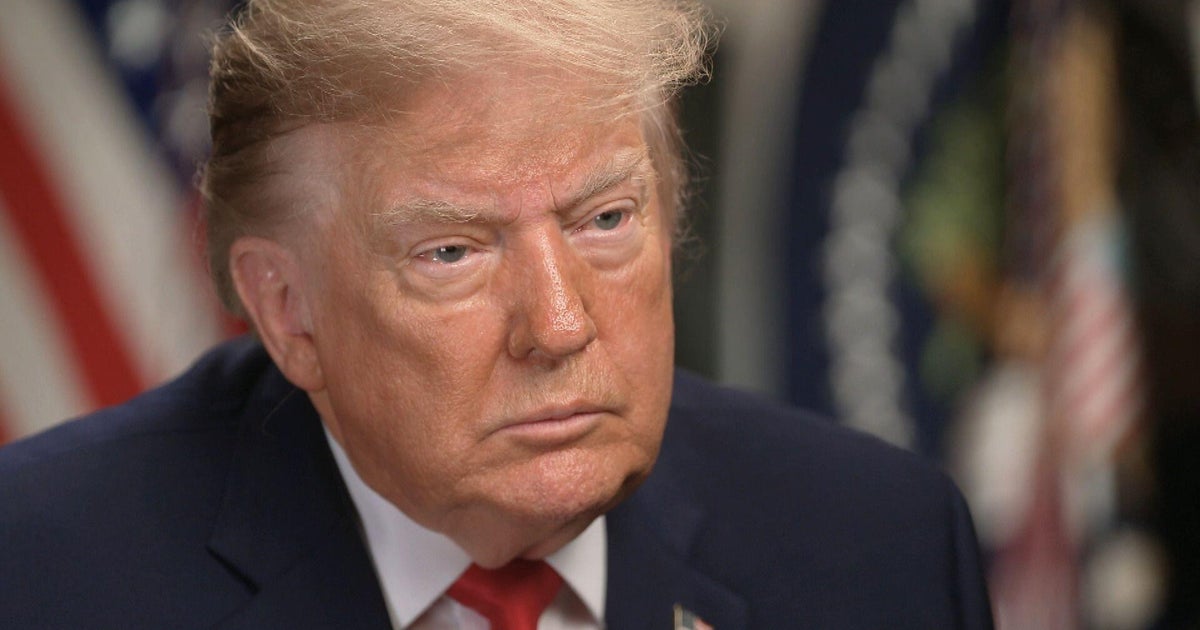
President Donald Trump stood by his handling of the economy and the war with Iran in his first extended interview since Republicans' bruising midterm losses, but he conceded there had been "bad messaging" on the economy and said his immigration crackdown was "too tough" at times.
In a sit-down with 60 Minutes correspondent Ross Douthat, Trump said voters "didn't like the war" or the soaring gas prices it triggered. Republicans lost more than 40 House seats and at least seven Senate seats on Election Day, with some races still uncalled, including in places Trump won by double digits two years ago. CBS News exit polling found about 63% of midterm voters disapproved of Trump's job performance.
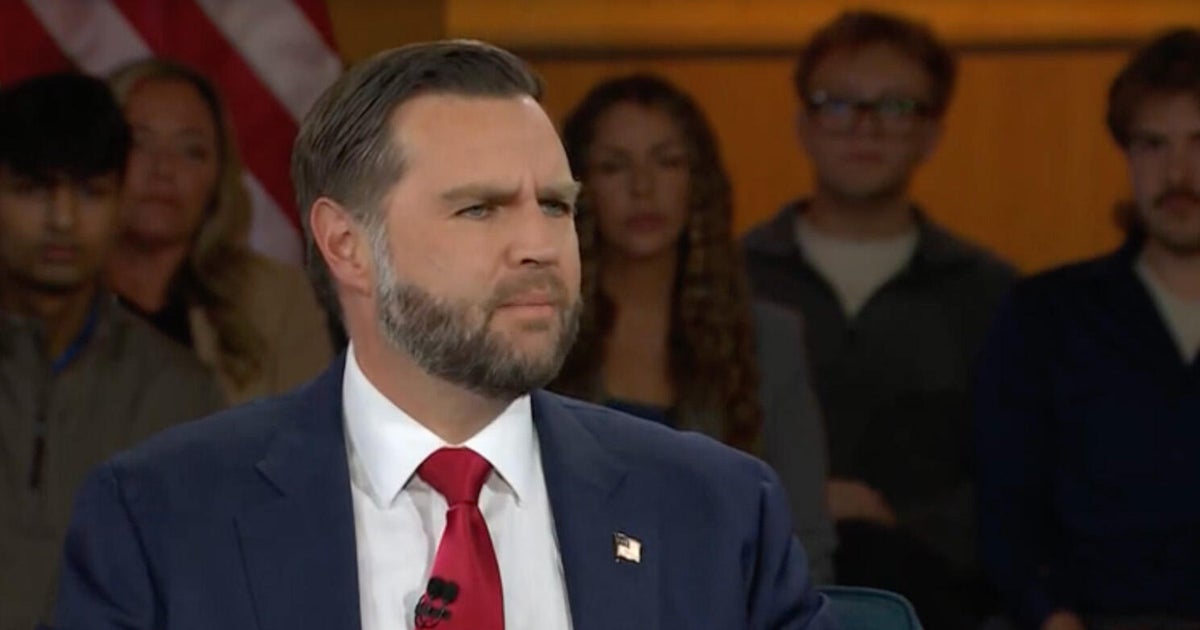
Trump said the main reason for the losses was that "I was not on the ballot," an explanation he has offered several times. "I think they didn't vote, really," he said. "In some cases, they didn't like the candidates. And that's, you know, their prerogative." Vice President JD Vance wrote the morning after the election that the Iran war was the real reason Republicans lost. Trump said he doesn't disagree, but would still attack Iran again. His answer to that question, he said, was an "emphatic yes."
"I think historically, this will be a very good decision," Trump said. "Is it a good decision for today and tomorrow? Maybe not?" He said Iran is close to a deal, though the election result gives Tehran "a little bit of a hope certificate." Asked whether he plans to escalate now that the midterms are over, he said he is not looking to. Since September, Iran and the U.S. have largely held off from major attacks, though the U.S. launched limited defensive strikes on Iranian targets earlier this week, and Qatar is mediating.
On the economy, Trump called the jobs numbers "phenomenal" and pointed to record 401(k) balances. But exit polls showed three-fourths of voters rated the economy poor or not so good, and two-thirds said his tariffs hurt it. "I think it was bad messaging, maybe by me," Trump said, predicting Americans will notice improvements "in the next two, three, four months."
On immigration, where 58% of voters in exit polls said the administration has gone too far, Trump said he gets high marks for removing "the bad ones," but that officials also took people with good jobs who had committed one violation by entering illegally. "I think it was too tough," he said of his deportation policies. He said he would "love to do something on immigration" with congressional Democrats.
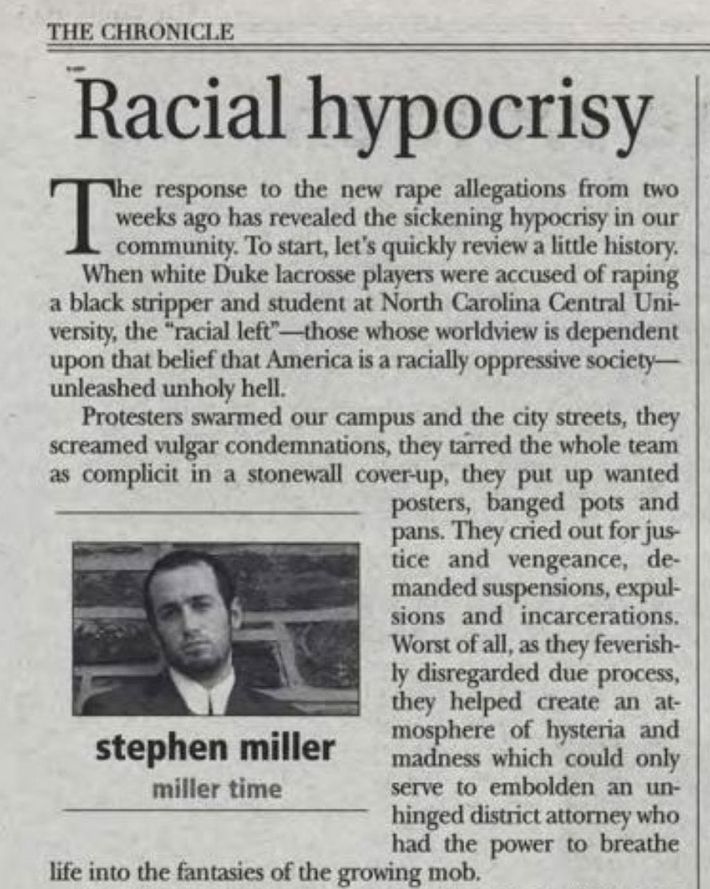
He also signaled personnel changes. Asked whether he expected to fire anyone after the losses, he said, "I do, yeah. Little bit." About an hour after the interview, the White House announced that chief of staff Susie Wiles would depart and be replaced by Stephen Miller, the hard-liner widely seen as the architect of the administration's immigration enforcement. Trump said he has confidence in Defense Secretary Pete Hegseth and called the push to impeach him "very unfair."
Pressed on reports that his net worth has jumped since he returned to office, Trump said, "So did everyone," and denied he is prioritizing his own finances. On 2028, he said he would "probably" endorse a Republican candidate, "but not necessarily." Vance and Secretary of State Marco Rubio are widely seen as possible heirs.