Six Americans Died at a Kuwaiti Port in March. A Senator Says the Army's 350-Page Report on Why Is Still Sealed.
Survivors of the Iranian strike on Port of Shuaiba say commanders ignored force-protection warnings and denied requests for medical supplies. Sen. Tammy Baldwin wants the investigation released.
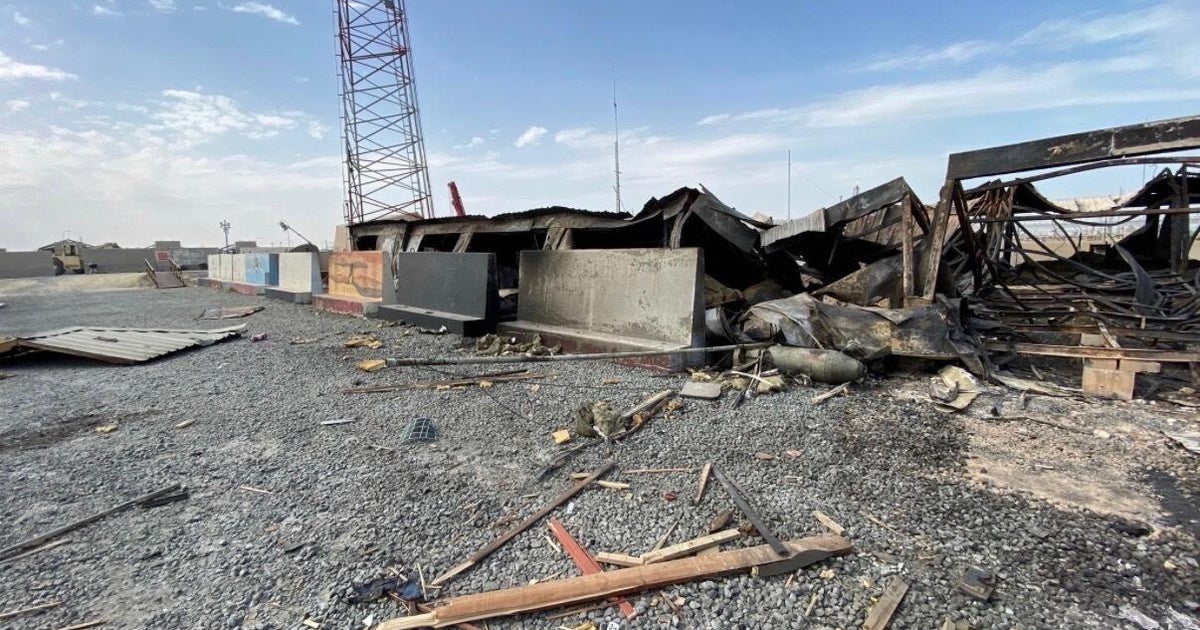
On March 1, in the opening phase of Operation Epic Fury, Iranian missiles and drones struck a U.S. command post at the Port of Shuaiba in Kuwait. Six American service members were killed and dozens were wounded, most of them from the Iowa-based 103rd Sustainment Command. It was the deadliest single day for U.S. forces in the Iran conflict.
The Army completed a monthslong investigation into what happened at Shuaiba in July. The resulting report runs more than 350 pages. Five months after the attack, none of it has been made public, and Congress has not been given the underlying documentation.
Sen. Tammy Baldwin, a Wisconsin Democrat, has now formally demanded that U.S. Central Command change that. In a letter to CENTCOM, Baldwin wrote that she "now request you immediately release the findings of that investigation publicly," and asked that the full report, its supporting materials and any classified companion reviews be turned over to Congress. She singled out one question in particular: why U.S. military medical care was not immediately available to wounded soldiers at the port.
That question comes directly from the survivors. Soldiers who were at Shuaiba have told investigators and reporters that unit leadership had flagged the site's lack of air defenses well before the strike, that requests for additional medical supplies were denied, and that the command post was, in the words of one injured soldier, "unprepared to provide any defense for itself." Several described a delay in casualty evacuation that they believe cost lives.
The account collides with how the Pentagon characterized the attack at the time. Defense Secretary Pete Hegseth publicly described one of the Iranian drones involved as a "squirter" — a term for a stray munition that leaks through defenses rather than one that exploits a hole in them. Injured soldiers have publicly disputed that framing, arguing there were no meaningful defenses at Shuaiba for anything to leak through.
Baldwin's request is not a subpoena, and CENTCOM is under no legal obligation to comply on her timeline. But she sits on the Senate Appropriations Committee, which controls the flow of money the Pentagon has been requesting throughout the Iran conflict — Hegseth told senators in July that the war had already cost $37.5 billion and asked for billions more.
The families of the six killed have been briefed privately on portions of the investigation, according to accounts from survivors' relatives, but have not received the document itself. Force-protection failures are among the most politically explosive findings a military investigation can produce, because they attach responsibility to named commanders rather than to the enemy.
Originally reported by CBS News.