Trump Says U.S. Will Stop Paying Israel $4 Billion a Year as of Year-End
The president announced the end of military aid on Election Day in a Fox News phone interview, saying he and Netanyahu struck the deal months ago. Details remain unclear.

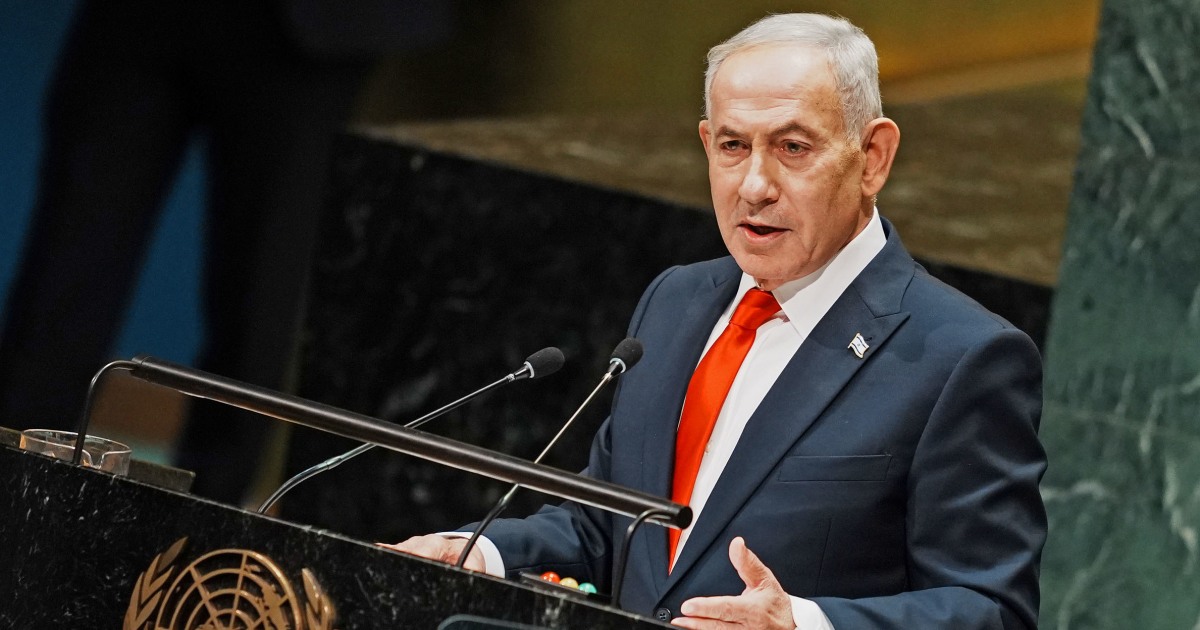
President Donald Trump said Tuesday that the United States will stop providing roughly $4 billion a year in aid to Israel at the end of this year, pointing to a deal he says he reached with Prime Minister Benjamin Netanyahu months ago. He made the announcement on Election Day, in a telephone interview with Fox News.
"We've already agreed that by the end of this year we won't be paying Israel," Trump said. "Now we'll help Israel if they need it." He added: "As far as paying Israel, Bibi Netanyahu and I have made a deal that we give Israel $4 billion a year, and we made a deal months ago that we're stopping."
It is not clear which funds the president meant. The existing memorandum of understanding between the two countries provides $3.8 billion a year in military assistance and does not expire until the end of 2028. The BBC contacted the White House for clarification, and the Israeli prime minister's office had not commented when the BBC published its report. Trump said Israel can buy weapons from the United States if it needs them, but nothing has been said about what a new purchasing or investment arrangement would look like.
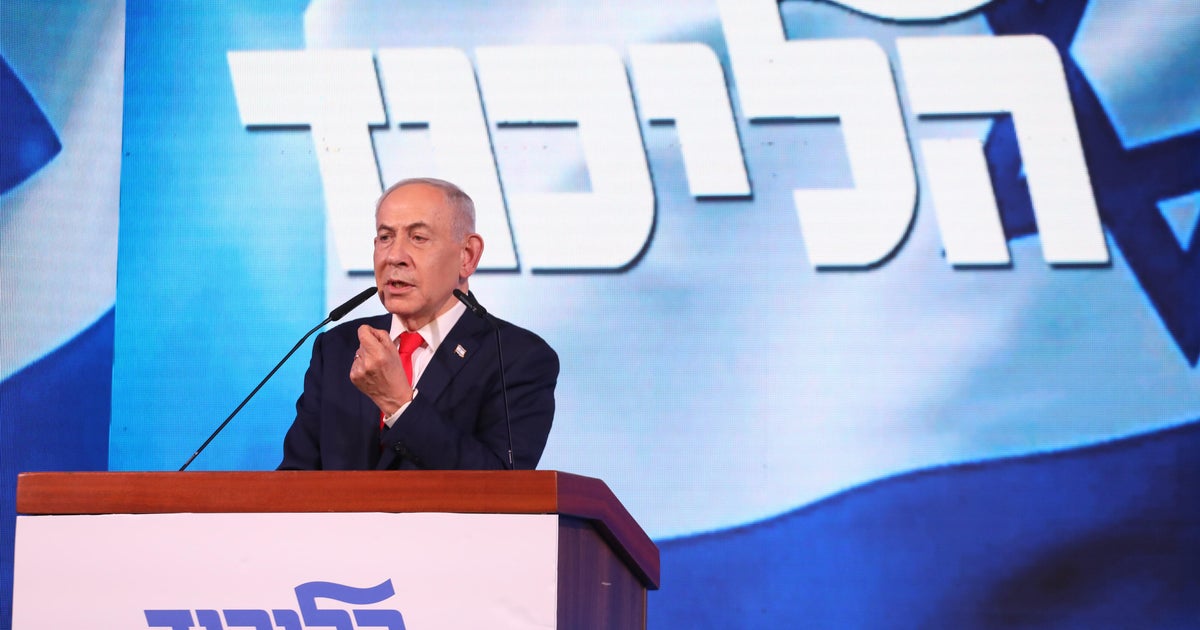
Netanyahu has publicly floated the idea of ending the aid. In a May interview with CBS News, he said he wants to "draw down" U.S. financial support to Israel "to zero." "Let's start now and do it over the next decade, over the next ten years, but I want to start now," he said. "I don't want to wait for the next Congress." Trump's version suggests a far faster timeline than the ten years Netanyahu described.
Israel has been the largest recipient of U.S. foreign assistance since the end of World War II. A Congressional report published last year put the total at $174 billion, not adjusted for inflation. The relationship still has strong bipartisan backing, but support has been eroding, particularly among Democrats since the war in Gaza began in October 2023.
The numbers show how far opinion has moved. In July, Republican Rep. Thomas Massie forced a vote on an amendment to cut $3.3 billion in security aid to Israel. The measure failed 314 to 104, but 103 Democrats voted for it, and Massie was the only Republican to back it. A Quinnipiac University poll in September found that 48 percent of voters think the U.S. is too supportive of Israel, up from 16 percent in 2017. Among Democrats the figure was 67 percent, compared with 17 percent among Republicans.
Trump also accused Democrats of weaponizing U.S. assistance to Israel as a talking point to attack Republicans. The announcement landed in the middle of a day when control of Congress is at stake, and at a moment of strain between the two governments. Netanyahu is also facing a deadlocked Israeli election in which his bloc lost its majority, and the U.S. has been carrying out strikes on Iran.
Congress, which appropriates the money, has not yet responded to the announcement. Whether Trump's statement reflects a formal change in policy, a restructuring of how the assistance is delivered, or a political message timed to Election Day is something the White House has not yet spelled out.