Israel's Vote Count Shows No Clear Winner as Likud Says Arab Parties 'Stole' Election
Turnout topped 77%, the highest in more than two decades, and Netanyahu led Eisenkot in the party tally even as opposition groups combined drew more votes than his bloc.
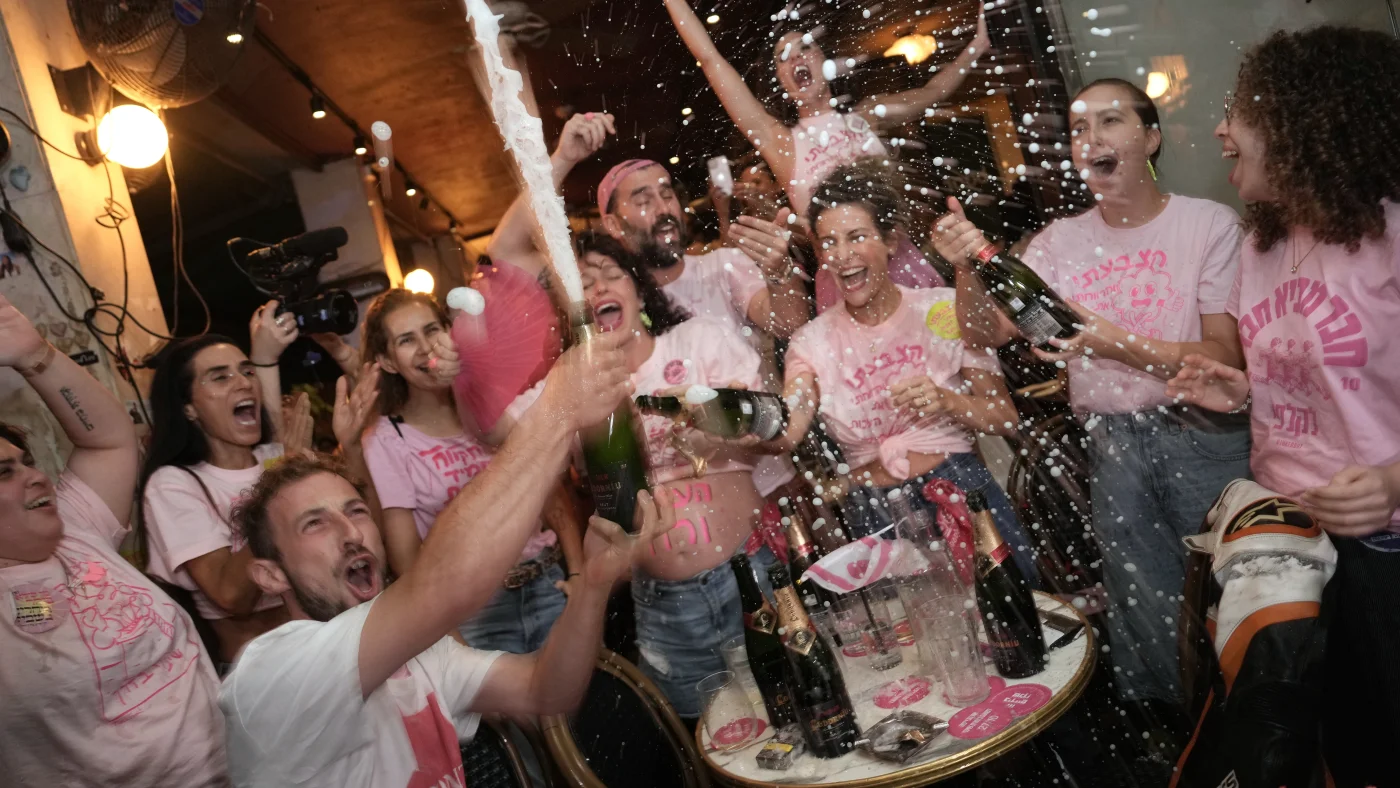
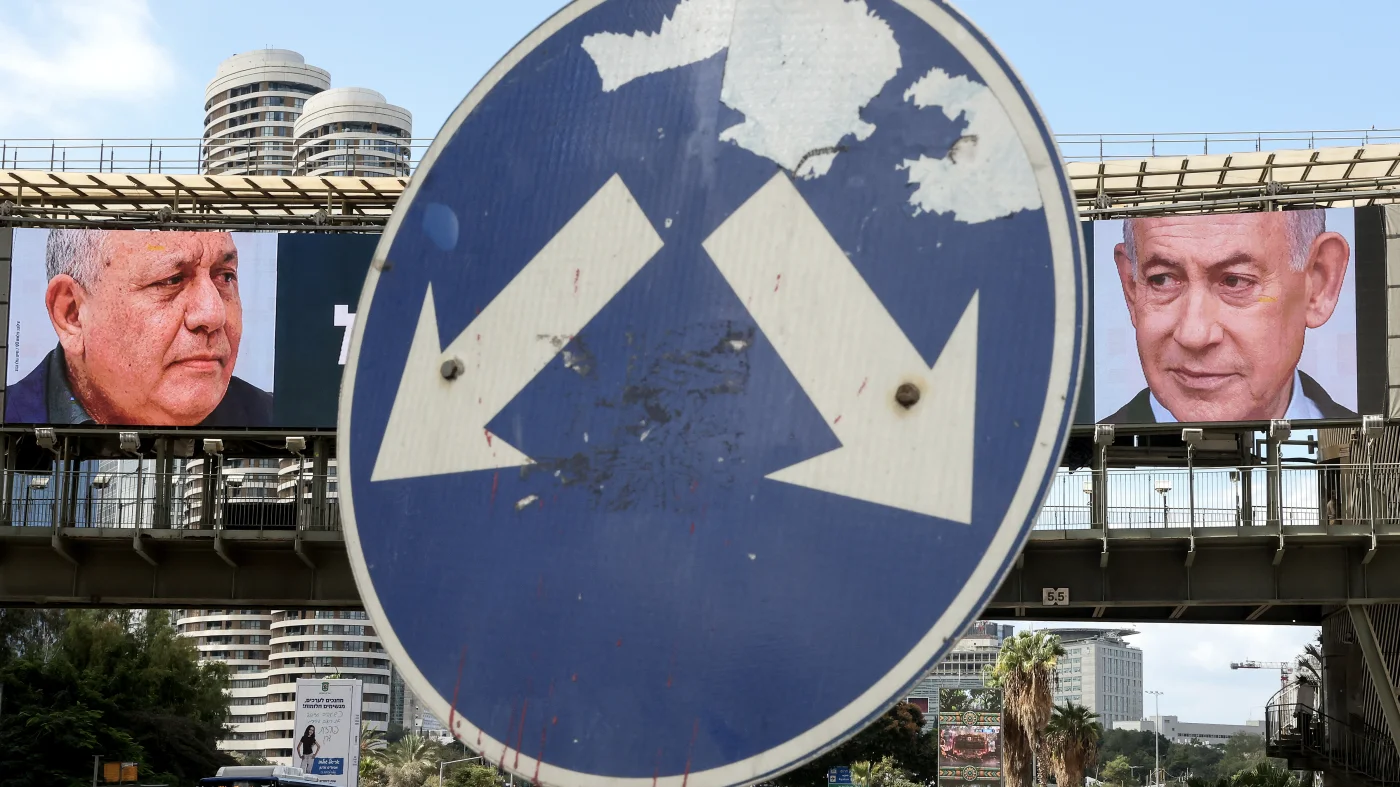
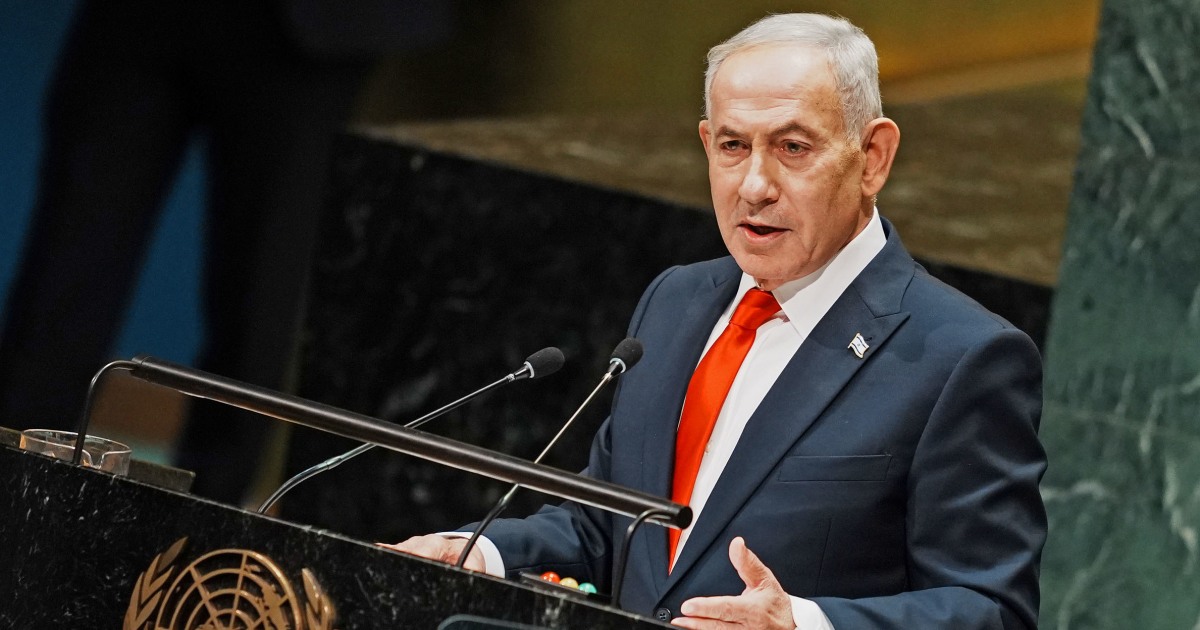
With a majority of ballots counted on Wednesday, Israel's pivotal parliamentary election had no clear winner. Prime Minister Benjamin Netanyahu was leading his main rival, former military chief of staff Gadi Eisenkot, in the official tally, but the opposition groups as a whole, including a significant showing by two Arab-led factions, drew more votes than Netanyahu's right-wing bloc.
Both men addressed supporters overnight and claimed victory, somewhat prematurely. "We made history! The public has voted for change," Eisenkot said. Netanyahu told his supporters, "The right-wing bloc has a clear, decisive majority among the Zionist public." A race this tight could mean weeks of political gridlock.
To govern, a party needs a coalition of 61 lawmakers in the 120-seat Knesset. No party in Israel's history has won outright. Election officials told NPR they expect to finish counting, including hundreds of thousands of ballots from soldiers, by Thursday afternoon. President Isaac Herzog said he expects to receive the official results next week and will then consult every faction. Whoever comes out on top is expected to get the first chance to build a coalition and will have six weeks to do it.
Turnout was above 77%, the highest in more than two decades, and tens of thousands of expatriates flew home to vote. It was the first national election since the Hamas-led attack of Oct. 7, 2023, in which nearly 1,200 people were killed and 251 were taken hostage. Many Israelis question whether Netanyahu, the country's longest-serving prime minister, can keep them safe after reports that the government had received repeated warnings that Hamas was planning a major assault.
On Wednesday, Netanyahu's Likud party claimed the election was "stolen" by Arab parties and said it was providing evidence to police. Critics saw the allegation as an attempt to keep the opposition from partnering with Arab parties to unseat him. Arab citizens make up about 20% of Israel's population, and two Arab-led factions, the conservative United Arab List and the left-wing Joint List, could be kingmakers. Both Netanyahu and Eisenkot, however, have resisted partnering with them.
Eisenkot's Yashar party draws from the political center and moderate right, and the parties he would ally with range from the right to the liberal left. He has pledged not to join a government led by Netanyahu. Yair Golan, whose Democrats party is part of Eisenkot's bloc, called on X for a coalition with the Arab parties. "We have no future here if we don't stop being afraid," Golan wrote. The idea is politically fraught given heightened mistrust of Arab political leaders since 2023.
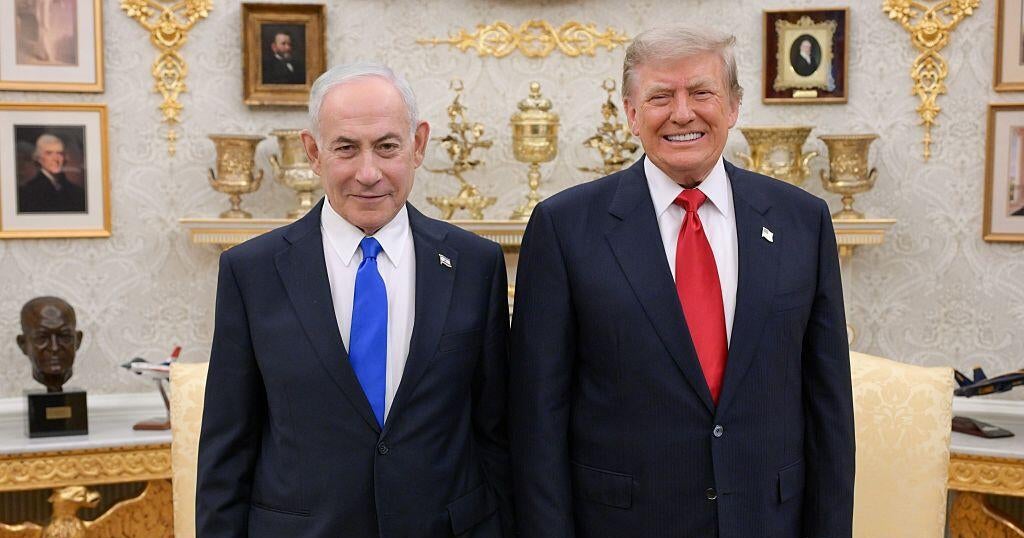
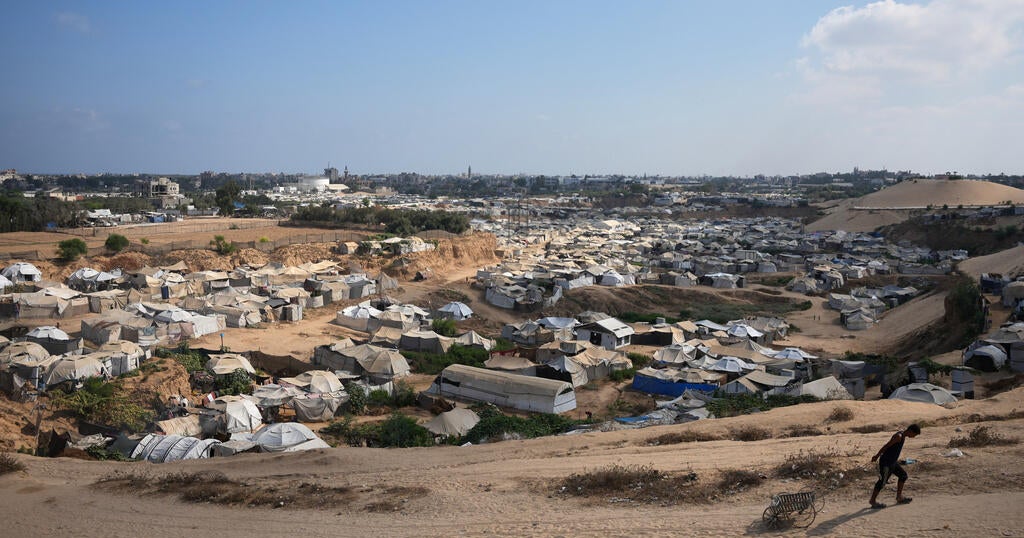
The war looms over everything. Israeli military action in Gaza has killed more than 74,000 Palestinians, according to Gaza's Health Ministry, and Netanyahu faces an international arrest warrant for alleged war crimes, which Israel disputes. At his election night party in Jerusalem, giant screens showed videos of soldiers marching and airstrikes, along with clips of President Donald Trump endorsing him. Trump had urged voters to reelect Netanyahu to "finish the job that we started."
If neither side can assemble 61 seats, Netanyahu would stay on as caretaker prime minister and Israelis could face another election next year. Herzog said he hopes it does not come to that. "We must do everything we can, certainly after yesterday, to avoid another round of elections," he said.