U.S. Tells Gulf Allies to Brace for a Short, Intense Campaign Against Iran After the Midterms
The Wall Street Journal reports a Patriot battery is heading to Israel and another carrier group is on its way, while Tehran denies receiving a new Qatari peace proposal.
The United States has told its Gulf allies to prepare for a brief but intense military campaign against Iran after the midterm elections, The Wall Street Journal reported Wednesday, citing people briefed on the matter.
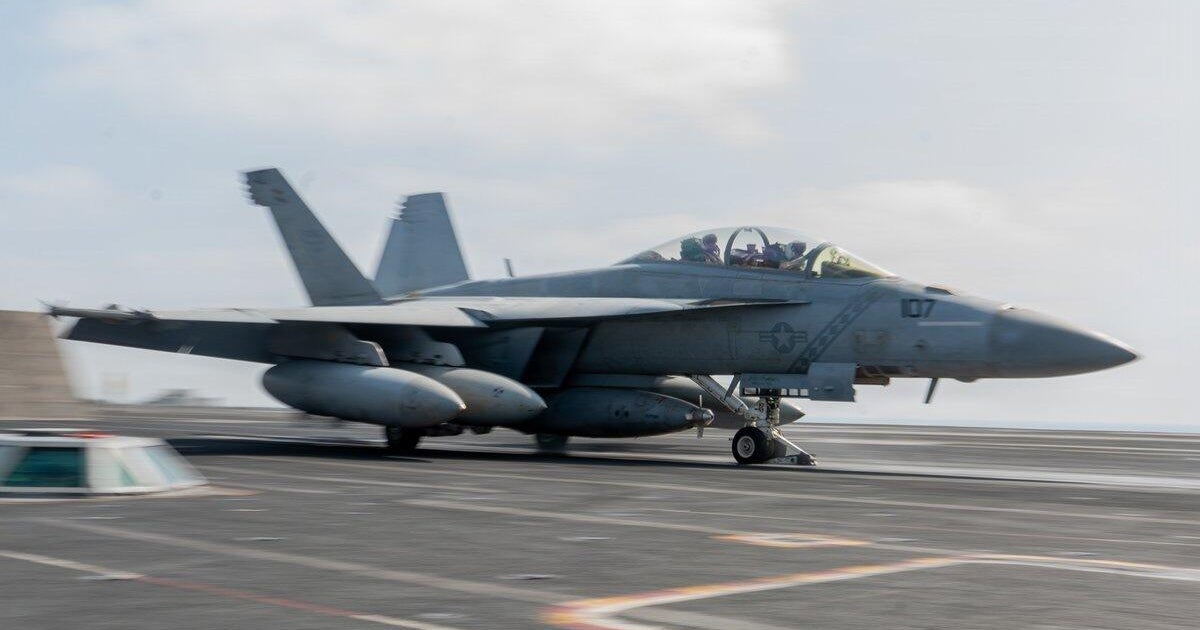
According to the report, which CBS News relayed, the U.S. military is shipping a Patriot antimissile system from Texas to Israel and has moved troops off bases where they might have been vulnerable. American forces across the Middle East have been restocking munitions, and aircraft have been preparing for strikes. An additional aircraft carrier strike group and a Marine unit are set to join the roughly 20 warships already in the region, though some other vessels could be withdrawn. Election Day is Tuesday, Nov. 3.
The report arrived as diplomacy appeared to be stalling. Reuters reported that Qatari mediators handed Iran a new draft deal to end the war on Sunday, citing an official briefed on the negotiations, and that Tehran was considering it and was due to respond by the end of the week. The source said there were concerns in Tehran before Sunday's meeting that Israel could resume bombing Iran this week.
Hours later, a senior Iranian official denied that Qatar had presented a new peace proposal at all. The official told Reuters that Qatar had brought "unacceptable" ideas and that Tehran would show no flexibility on the nuclear issue.
The cost of the war keeps climbing. A U.S. Central Command estimate obtained by CBS News on Tuesday puts it at about $47 billion as of mid-October. Like earlier estimates, it does not include damage to U.S. military bases in the Middle East. The bulk of it, $29 billion, is for replacing expended munitions. The nonpartisan Congressional Budget Office said in September that the war could cost roughly $2 billion to $3 billion a month for as long as it continues.
Elsewhere in the region, the Iran-backed Houthi movement told people at Aden International Airport in southern Yemen to evacuate immediately, claiming that a Saudi military cargo plane there was carrying weapons. Houthi military spokesperson Yahya Saree posted the warning on X. Aden is the seat of the Saudi-backed Yemeni government, which has been based there since the Houthis took the capital, Sanaa, in 2014.
The reported timing of a possible new campaign, after voters go to the polls, adds a political dimension to a war that has strained gas prices and weighed on Republicans' standing in a tough midterm map. Neither the White House nor the Pentagon has publicly confirmed the Journal's account, and the details come from unnamed sources.
Israel's own politics are also unsettled. Exit polls from major Israeli networks after Tuesday's election show neither Prime Minister Benjamin Netanyahu's bloc nor the opposition with a clear majority in the 120-seat Knesset, which could delay the formation of any government able to decide on renewed strikes.