Ohio Residents Take On Data Centers With Ballot Measures in 10 Communities
A group of Republicans, Democrats and independents known as Conserve Ohio wants local bans this fall and a statewide constitutional ban on large data centers in 2027.
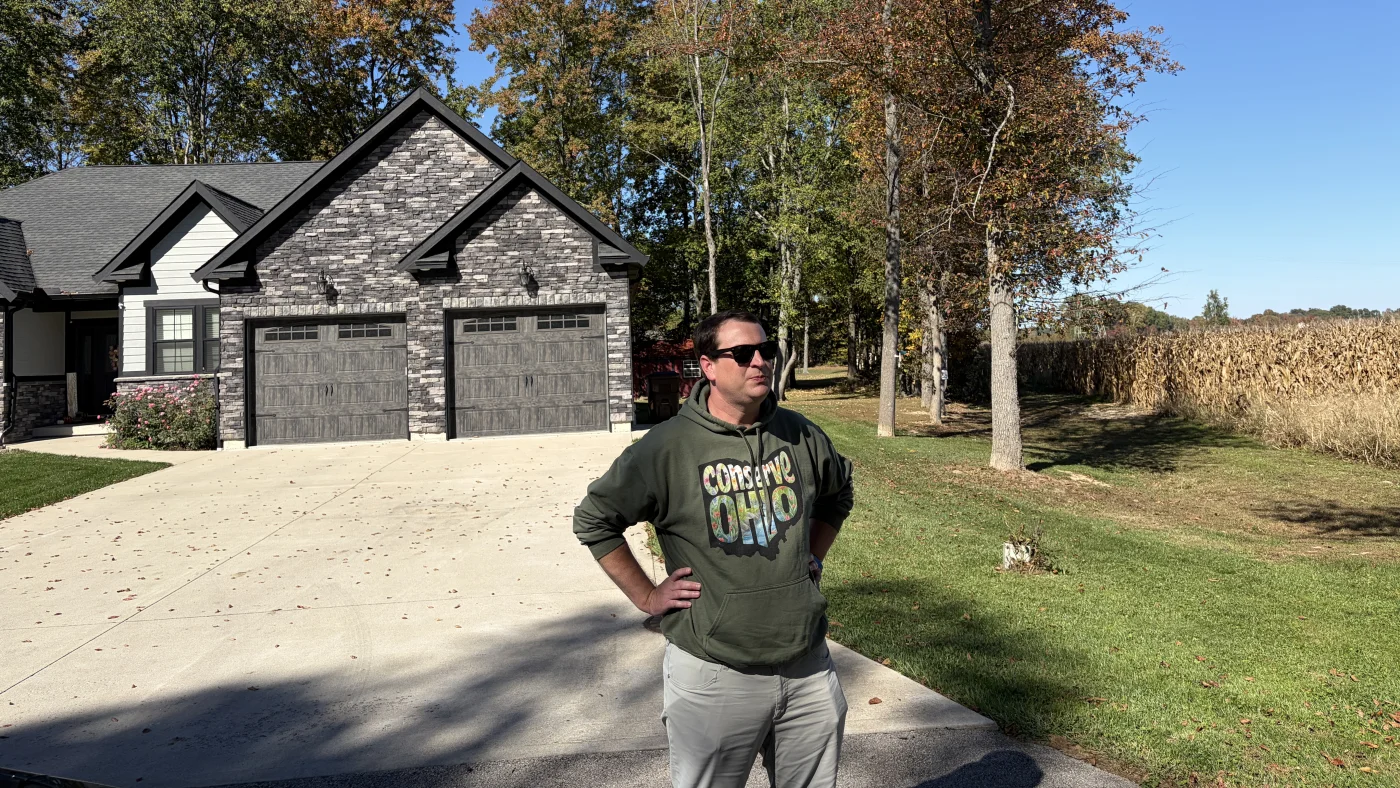
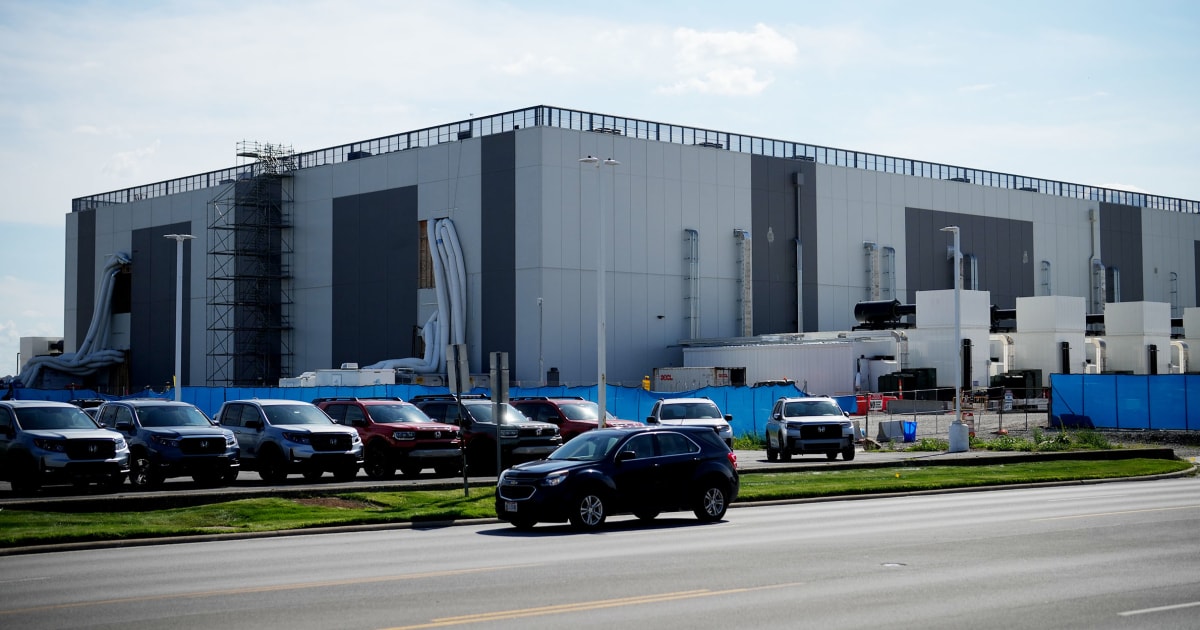
In Mt. Orab, a village of about 4,300 people in rural southwest Ohio, a lifelong Republican lawyer named Nick Owens has spent countless hours trying to find out what is happening on roughly 1,000 acres of farmland and trees. Property records show the land was sold to a data center developer in 2024 and 2025. Nondisclosure agreements have kept nearly everything else secret.
That frustration grew into one of the most coordinated campaigns against data centers anywhere in the country. Owens teamed up with another local attorney and a real estate agent, and together they built a volunteer network reaching nearly all of Ohio's 88 counties. The volunteers include Democrats, Republicans and independents. They call themselves Conserve Ohio.
This fall the group is behind ballot initiatives in 10 communities that would amend local charters to prohibit large-scale data centers, the kind used to power artificial intelligence. That goes further than the temporary pauses that hundreds of municipal and county governments have adopted. The group is also circulating a petition for a constitutional amendment that would ban large data centers statewide, with a goal of putting it before voters in 2027.
"All too often you hear from the politicians, 'Well, the community should have a say,'" Owens said. "We're going to find out in ten communities whether or not the communities want them." He argues that hyperscale facilities will require new power plants, bringing a constant hum and heavy emissions. "Our community is not for sale," he said. He would entertain building them on old industrial sites, where they would be buffered from neighborhoods.
Tech companies were drawn to Ohio more than a decade ago by cheap land, abundant energy infrastructure and generous tax breaks, which helped create some of the fastest data center growth in the country. The projects bring considerable tax revenue, money for schools and construction jobs, though far fewer permanent ones. But as facilities got larger and began serving AI, they stopped being uncontroversial.
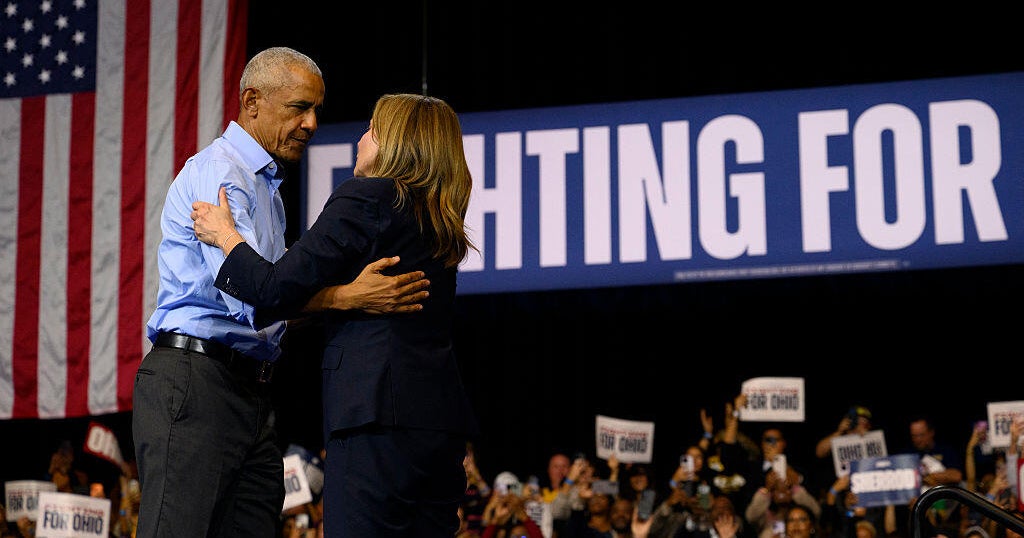
The issue has reached the Senate race between Democrat Sherrod Brown and Republican Sen. Jon Husted. Brown has called Husted "the face of data centers," noting that Husted as lieutenant governor welcomed the industry. Husted has accused Brown of hypocrisy over his past support and has pushed a bill to make data centers pay for grid upgrades and other costs of their power use. Senate Democrats blocked it, calling it toothless.
Conserve Ohio has not endorsed any candidate, and some volunteers are skeptical of both. Linda Moodie, an independent who collects signatures for the group, said she will vote for Brown because he has talked about the issue longest, but she does not trust that anyone will "do the right thing" by giving residents a say.
Owens, a Trump delegate at the 2024 Republican National Convention, would not say how he is voting. He said the data center fight, along with $6 diesel, has dampened Republican enthusiasm in a county that voted about 80% for Trump in 2024. He called the president's recent Truth Social posts, which said communities that reject data centers would end up "backwards and poor," tone deaf. Construction at the Mt. Orab site has not started, and no one nearby can say when it will.