Senate Hopefuls Raise Cash Nationally With Ads That Differ From Their Home Pitches
An NPR analysis of four key races found candidates spent more than $15 million on fundraising ads, three-quarters of them aimed at a national audience.
In the closest Senate races of the midterm cycle, candidates are collecting much of their money from people who cannot vote for them, and the pitch they use to get it is not the one they make at home. An NPR analysis of Google Ads in four major races, Iowa, Georgia, Ohio and Texas, found the Democratic and Republican candidates spent more than $15 million in the 2025-26 cycle on advertising tied to fundraising. About three-quarters of that went to ads that ran nationally.
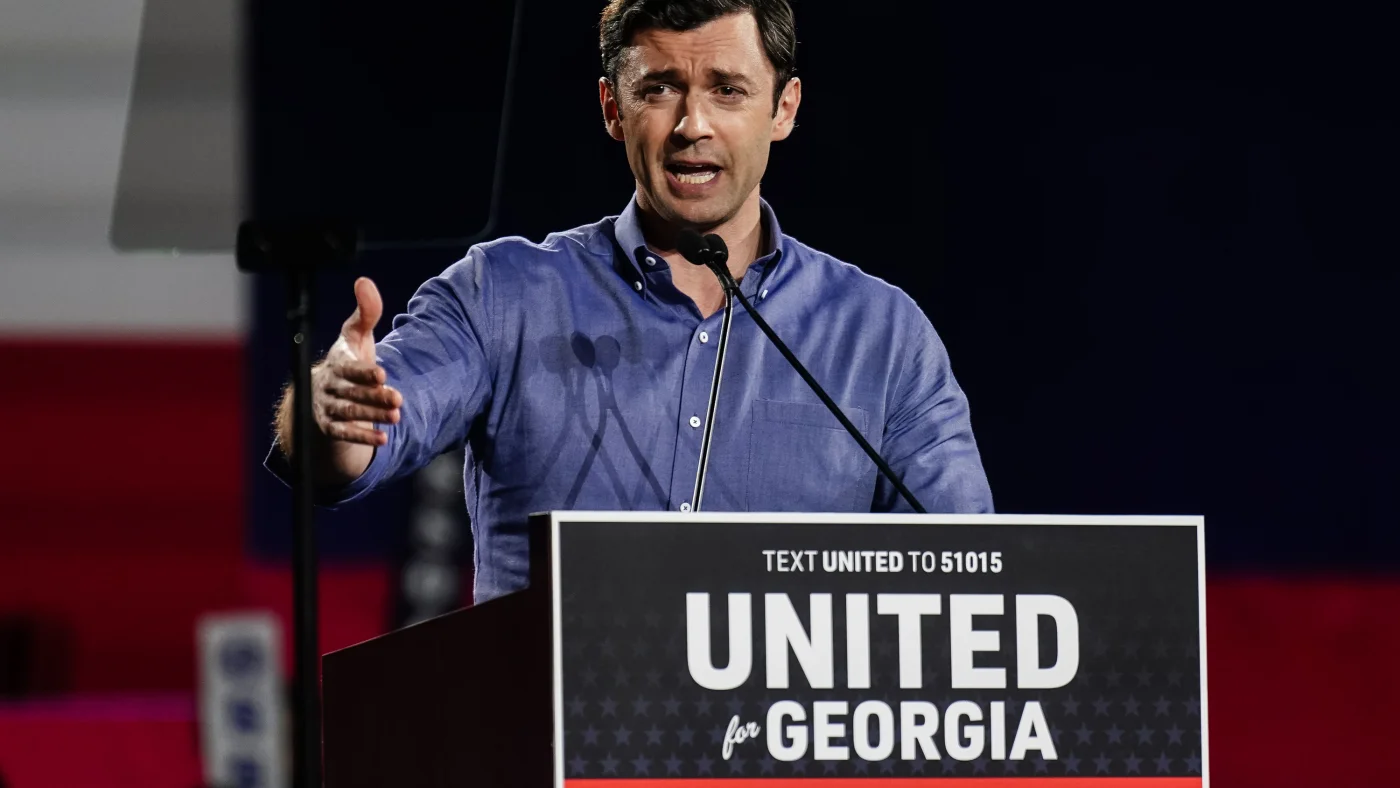
Those ads often lean on national themes, such as attacking or defending President Donald Trump or flipping the Senate to one party or the other, rather than local issues. For Georgia Sen. Jon Ossoff and Iowa Democratic nominee Josh Turek, more than 80% of itemized individual contributions have come from out of state. In at least four competitive races, a majority of the money is coming from outside the state.
The online platforms ActBlue and WinRed are a major catalyst. "ActBlue and WinRed really reduced the transaction costs for contributing," said Zachary Albert, a politics professor at Brandeis University. "Even if you're only yielding a $5 or $10 contribution, the costs of soliciting that are so much lower than they used to be that it makes it worthwhile."
The messaging shifts depending on the audience. Michael Franz of the Wesleyan Media Project said a candidate in a local TV ad will never say, "I'm the Democrat," because they want to appeal to moderates and swing voters. In a digital ad airing outside the state, "the party label becomes more important." Former Democratic Sen. Sherrod Brown, who is seeking to win back his Ohio seat, calls for turning his state blue, while Georgia Republican Rep. Mike Collins asks supporters to help turn his state's seat red. Iowa Republican Rep. Ashley Hinson touts her "America First" credentials, and Ossoff attacks Trump directly. The Ossoff campaign told NPR it does not target audiences by location and is powered by small-dollar donors.
Daniel Hopkins, a political scientist at the University of Pennsylvania, said candidates now serve two constituencies, a local voter base and a larger national donor base. "When Jon Ossoff is trying to compete for votes, he's competing against Georgia Republicans," Hopkins said. "But when he's trying to compete for dollars, he's competing for attention with other prominent Democratic candidates."
Out-of-state giving has risen every cycle, according to OpenSecrets. Democrats built their grassroots system first, launching ActBlue in 2004, nearly 15 years before Republicans started WinRed in 2019. Sarah Bryner of the research group Public Agenda said Republicans realized during the Trump era that they had a national audience of small donors ready to activate.
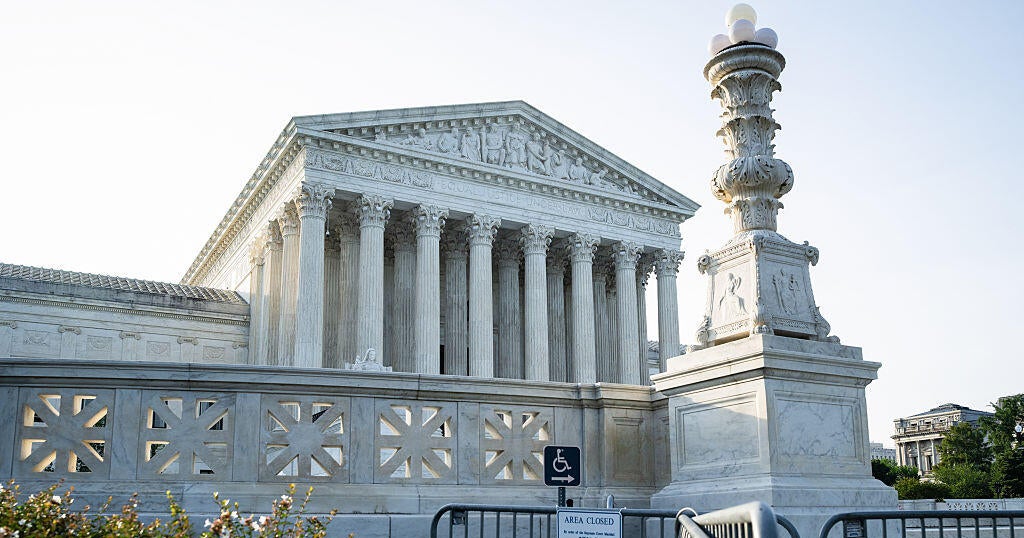
Rules are hard to change. Hawaii will cap out-of-state donations starting in 2027, and Alaska, Colorado and Virginia require disclosure of top donors in some ads. But Raymond La Raja, a political scientist at the University of Massachusetts, said national limits would be difficult constitutionally. In June the Supreme Court ruled in favor of coordinated campaign spending, and the National Republican Senatorial Committee has so far spent three times as much on ads as at this point in the previous midterms.
Money does not guarantee votes. Bryner noted that candidates who raised huge sums out of state, such as Amy McGrath against Mitch McConnell and Beto O'Rourke against Ted Cruz, still lost. "If you're getting all your money from outside of the state, those people can't vote for you," she said.