The Supreme Court Restored the GOP's Discounted Broadcast Ad Rates Sixty Days Before the Midterms
An unsigned order Friday froze a Fourth Circuit ruling that had stripped party committees of the cheapest political ad rates. Republican committees say broadcasters had already started pulling the discounts.
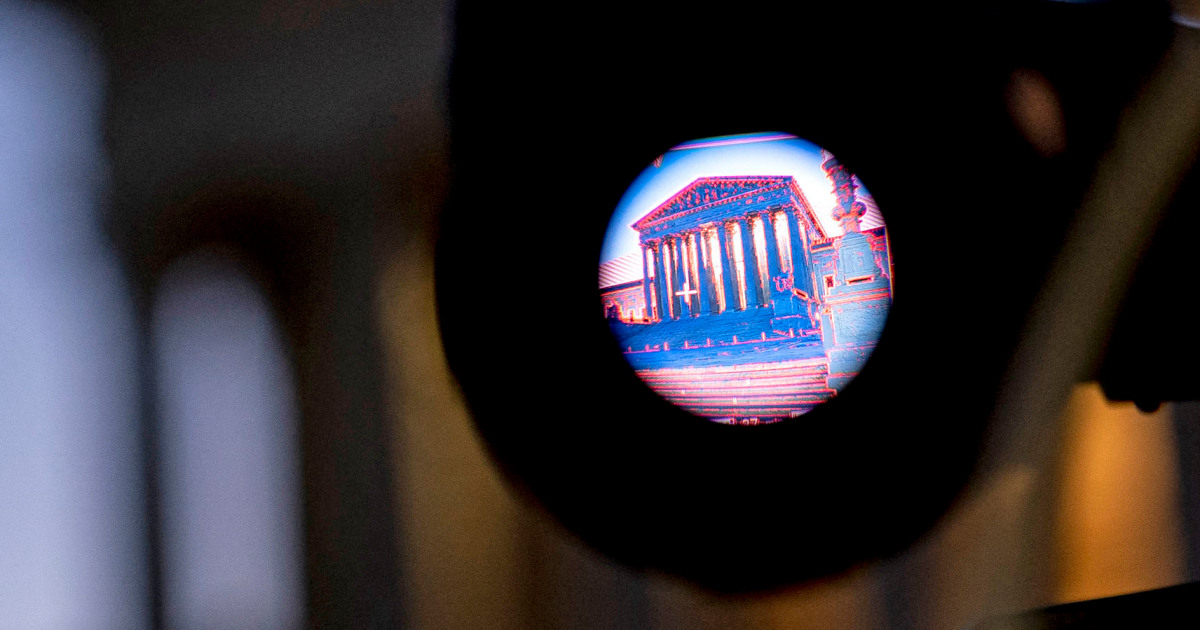
WASHINGTON — The Supreme Court on Friday granted an emergency request from Republican party committees and put on hold a lower-court decision that had cut those committees off from the cheapest available broadcast advertising rates, handing the GOP a win with the November midterms two months away.
The unsigned order restores guidance from the Federal Communications Commission that lets political parties and joint fundraising committees buy airtime at the discounted rates that federal law reserves for candidates. Those rates, known in the industry as the "lowest unit charge," kick in 60 days before a general election — a threshold the calendar crossed on Friday. The practical effect is immediate: national Republican groups, which have built substantially larger war chests than their Democratic counterparts this cycle, can buy more airtime for the same money. The National Republican Congressional Committee has already reserved $10.8 million in television time across 23 House races this month, according to the committee and the ad-tracking firm AdImpact.
The dispute began in March, when a component of the FCC issued a public notice telling broadcasters to extend the discounted rates to party committees and joint fundraising committees spending in coordination with candidates. Four Democratic candidates — Sen. Jon Ossoff of Georgia, Rep. Kristen McDonald Rivet of Michigan, and Senate candidates Sherrod Brown of Ohio and Roy Cooper of North Carolina — asked the commission to review the policy. When the FCC did not act, they went to the U.S. Court of Appeals for the Fourth Circuit, which last month set the notice aside in a 2-1 decision. The majority held that the statute's cheaper rates belong only to a legally qualified candidate for public office in connection with his own campaign, not to parties. Judge Harvie Wilkinson dissented, arguing the court had stepped in too early because the FCC had never issued a final order.
The Supreme Court largely agreed with Wilkinson's framing. The appeals court, it said, likely lacked jurisdiction to review what amounted to staff-level guidance rather than final agency action. It also found the Republican committees would suffer real harm in the meantime, because broadcasters had begun rescinding the favorable rates as soon as the Fourth Circuit ruled. "Current and future recissions will require the party committees to pay more for advertising space, thereby hampering their efforts to reach the electorate in the critical weeks leading up to the midterms," the order said. "That injury, which implicates their First Amendment rights to speak and coordinate their political activities freely, cannot be remedied after the fact through refunds or reimbursements."
The Trump administration, including the FCC, backed the Republican committees. Solicitor General D. John Sauer argued that the Democratic candidates had no legal right to sue and that the guidance was neutral on its face. "The notice does not grant favored treatment to one side or the other," he wrote. "Instead, the notice's interpretation offers the same benefit to all sides, including the challengers themselves and the committees and parties supporting them." Lawyers for the Democrats countered that extending the rate to parties would dilute the candidates' own access to scarce inventory and force them to raise and spend more to answer a higher volume of opposing ads.
Cooper's campaign, which faces former Republican National Committee chairman Michael Whatley in North Carolina, reacted bitterly. "The Supreme Court has just ignored the clear language of the law and given a massive TV ad discount to billionaires and other big money donors, further eroding the power of everyday people," campaign manager Jeff Allen said, adding that Whatley "will be first in line to benefit from the RNC's $130 million warchest."
Friday's order is the second time this year the court has loosened restrictions on party spending. In June the justices struck down federal limits on how much political committees may spend in coordination with the candidates they support, a ruling that has already reshaped how both parties route money into competitive races.