Washington Is Cutting the 2031 Fuel Economy Target From 50.4 MPG to 34.5
The Transportation Department is finalizing the largest rollback of federal mileage rules in a generation. Its own analysis says Americans will burn about 100 billion more gallons of gasoline by 2050.

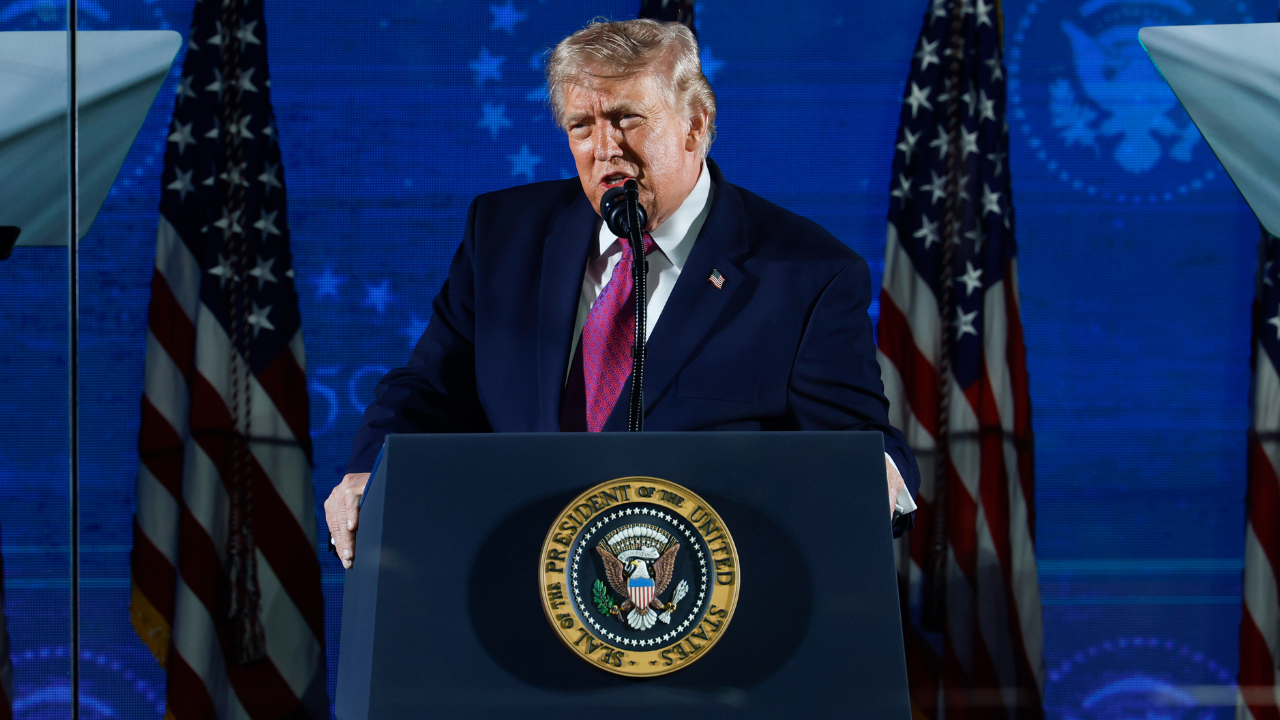
The Trump administration is finalizing a rule that will cut the fuel economy Americans' cars are required to deliver by roughly a third, replacing the Biden-era target of 50.4 miles per gallon by 2031 with a fleetwide average of 34.5 mpg. Transportation Secretary Sean Duffy announced the move on Sept. 1, framing it as a correction rather than a retreat.
"We are about to announce a common-sense fuel economy standard because we want Detroit to build cars that Americans want to buy — not cars that Democrats want Washington to build," Duffy said.
The rule traces back to a proposal the National Highway Traffic Safety Administration floated in December covering model years 2022 through 2031. It does two things at once. It lowers the endpoint, and it lowers the starting line, reaching backward to relax the standard for model year 2022 and then allowing annual increases of only 0.25 to 0.5 percent for the rest of the decade. Automakers that were technically out of compliance for vehicles already sold end up with a surplus of credits they can carry forward. The proposal also ends the practice of buying and selling those compliance credits between companies starting in 2028, which removes a revenue stream that electric-only manufacturers such as Tesla and Rivian have relied on for years.
NHTSA's own regulatory analysis is unusually blunt about the trade. The agency estimates the change will knock about $930 off the up-front price of a new vehicle. It also estimates the country will consume roughly 378.5 billion additional liters of fuel — on the order of 100 billion gallons — through 2050, spend about $185 billion more at the pump, and emit about 5 percent more carbon dioxide from passenger vehicles than it would have under the standards being replaced.
The Alliance for Automotive Innovation, the trade group representing most of the industry, welcomed the proposal, saying it was "glad the agency has proposed new fuel economy standards." Manufacturers have argued for two years that the Biden targets were written on the assumption of an electric-vehicle adoption curve that never materialized, leaving them exposed to penalties for building the trucks and SUVs that make up the bulk of American demand.
Those penalties are already gone. Congress zeroed out the fines for missing corporate average fuel economy targets in 2025, which left the standards on the books but stripped them of any financial consequence. The $7,500 consumer tax credit for buying an electric vehicle expired the same year. And the waiver that let California ban the sale of new gasoline cars by 2035 was revoked, a decision the state is fighting in court.
The rollback arrives with gasoline and diesel at painful levels. Diesel set an all-time U.S. record of $5.85 a gallon on Friday, eclipsing the $5.81 mark from June 2022, as the war with Iran keeps crude supply tight. Environmental groups argue that is precisely the wrong moment to lower the efficiency of the national fleet, since the vehicles sold under the weaker rule will still be on the road in the 2040s. Several states are expected to sue once the final rule is published.