Two Men Walked Out of a Nepali Tunnel Nine Days After the Flood. One Said Others Are Still Alive Inside
Sanjay Shah and Kabir Maharjan were pulled from the Trishuli 3A headrace tunnel on Friday morning. Roughly 115 workers are still believed to be sealed in behind the debris.

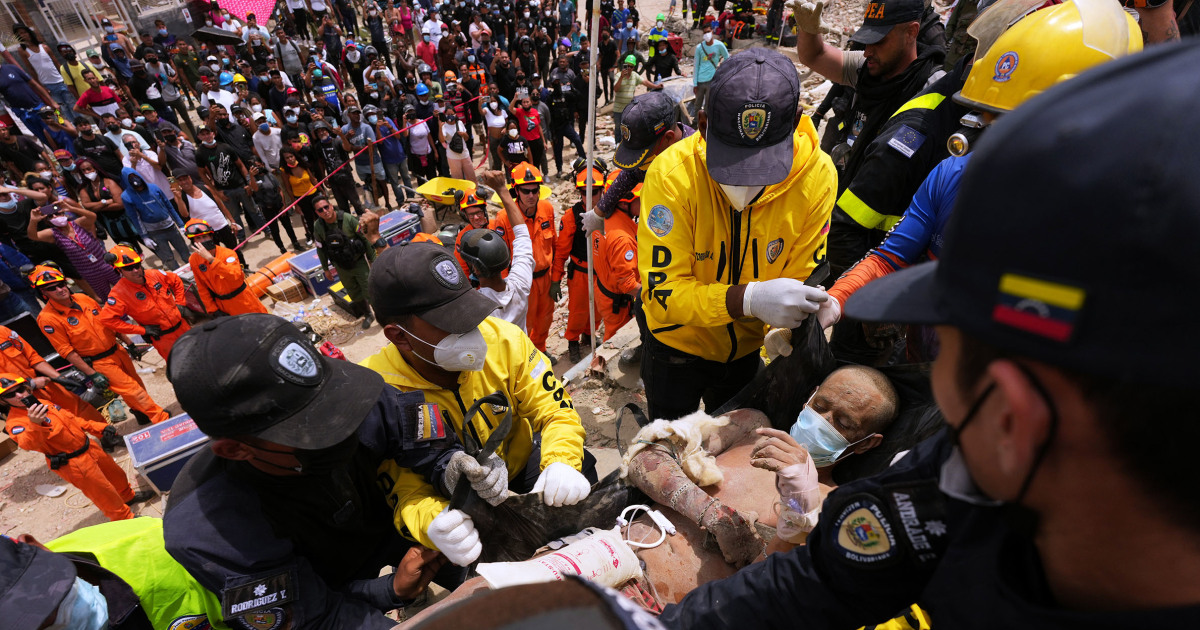
Rescue crews digging into the main tunnel of the Trishuli 3A hydropower project pulled two men out alive early Friday, nine days after a wall of ice, rock and meltwater tore down the Trishuli valley and buried them.
Nepal's home affairs minister, Sudan Gurung, identified them as Sanjay Shah, 30, a mechanical foreman, and Kabir Maharjan, 45, a mechanical supervisor. Both were treated at the site and then moved to a hospital in Kathmandu. An army spokesperson said one of the two told rescuers that other workers were still alive further inside the tunnel, a claim that has redirected the entire recovery operation back toward the mountain.
The scale of what is still buried there is hard to overstate. The Independent Power Producers Association of Nepal counts 557 workers missing from the Trishuli 3A site alone, of whom roughly 115 are thought to be inside the main tunnel. Across Nepal and the Tibetan side of the border, the confirmed death toll from the August 26 disaster has climbed past 1,250, with more than 5,000 people still unaccounted for, according to Nepal's National Disaster Risk Reduction and Management Authority.
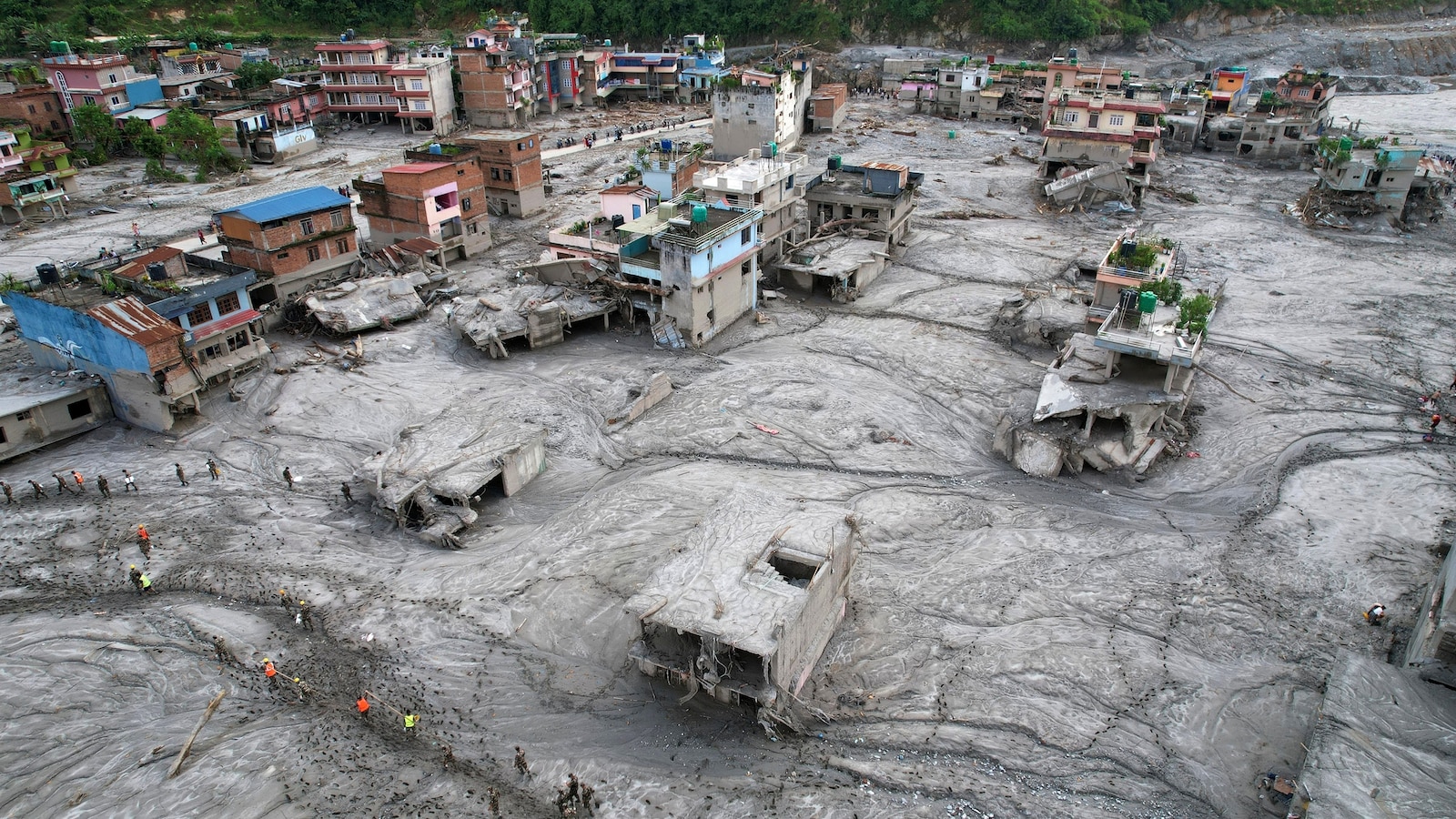
The flood began with a glacier collapse high in the Himalaya. The ice failed, and the water and debris behind it dropped into the valleys below with enough force to erase villages, cut highways and gut a string of hydropower projects strung along the rivers. Twelve hydropower schemes were damaged. Nepal generates nearly all of its electricity from run-of-river plants like these, which means the disaster took out both the workers and a meaningful share of the country's generating capacity in the same hour.
Foreign nationals make up an unusually large share of the missing, because the tunnels were being driven by international contractors. Australia has sent a 15-member drone team to help map the debris; 36 Australians are still missing. Chinese authorities on the Tibetan side have confirmed their own dead and are searching for hundreds more, many of them workers at construction camps.
Nepal's communications minister said Friday that the government was "waiting for the rescue of more and more people," language that reflects how much the tone shifted after Shah and Maharjan came out. For nine days the operation had been described in official statements as a recovery. Two survivors, both in reasonable condition after nine days without resupply, changed the arithmetic: air pockets in a partially blocked headrace tunnel can keep people alive far longer than open-ground burials.
The engineering problem is severe. The tunnel is packed with saturated debris that shifts as it is removed, and the rivers feeding the valley are still running high. Crews are working from both the intake and the outlet, bracing as they go. Officials have not given a timeline for reaching the section where the remaining workers are thought to be.