Six Months Into the Iran War, the Senate's Top Armed Services Democrat Says 'Not a Single Objective' Has Been Achieved
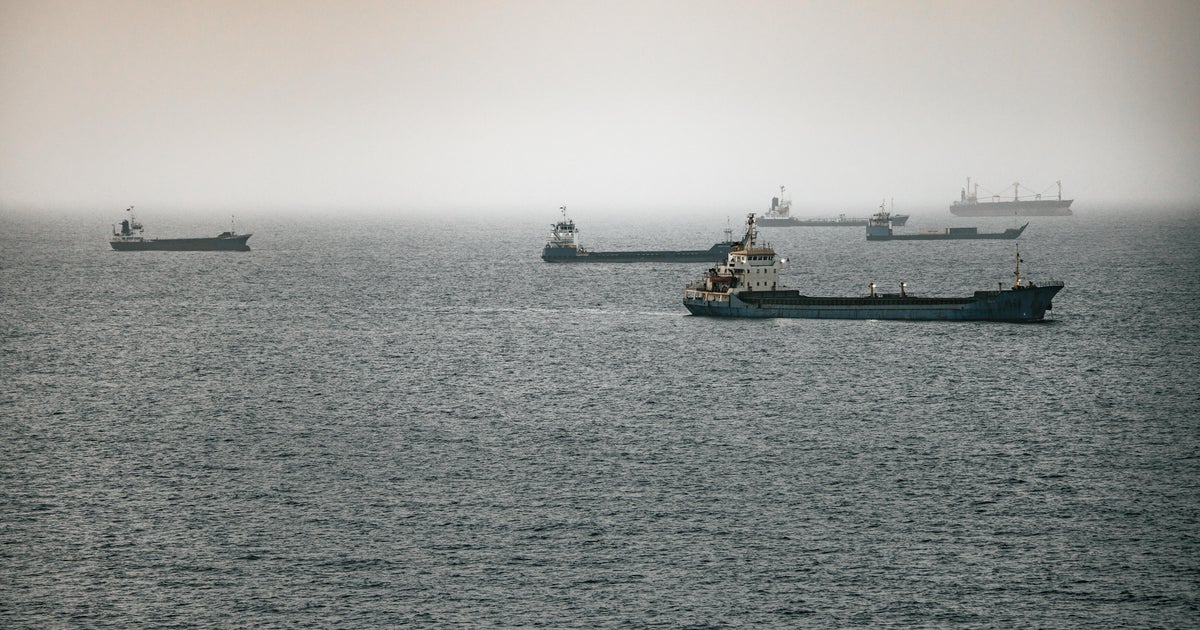
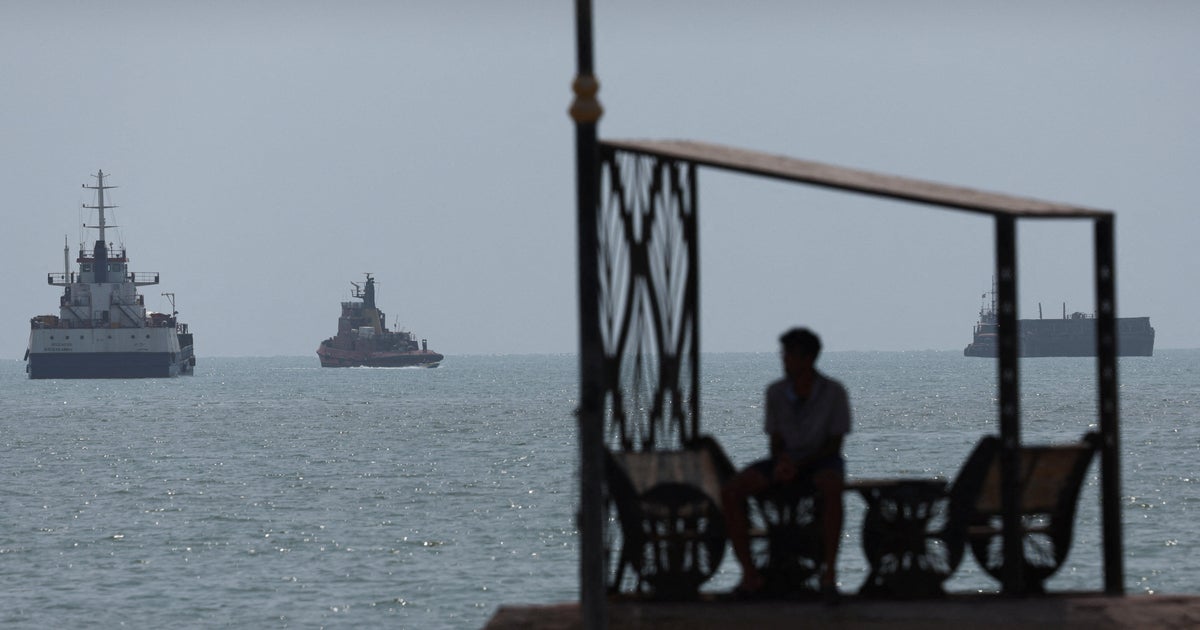
The conflict passed its half-year mark on Friday with the Strait of Hormuz still contested, roughly 6,000 sailors on 400 ships still stuck in the region, and Tehran refusing to yield to what the Treasury Department is calling an economic D-Day.
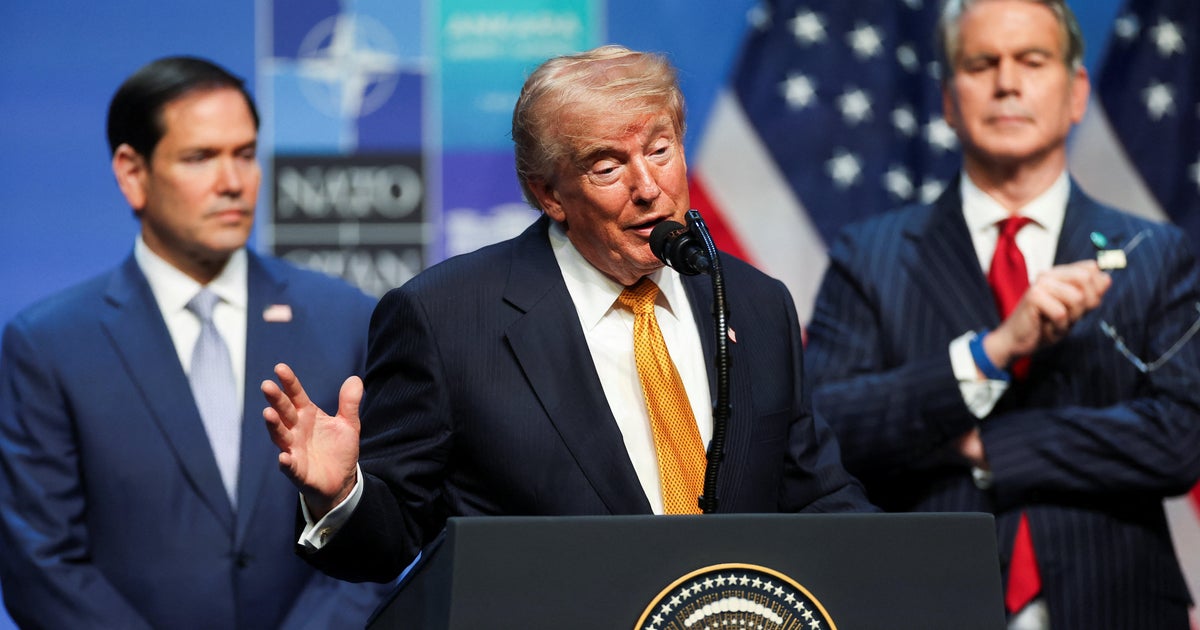
The war between the United States and Iran passed its six-month mark on Friday, and by the measure the administration itself set at the outset, it has not gone according to plan. President Trump predicted at the start of the campaign, which began February 28, that the fighting would be finished in roughly six weeks. On Friday he said it would take "as long as necessary."
Senator Jack Reed, the ranking Democrat on the Senate Armed Services Committee, offered a blunter accounting. "Six months later, not a single objective has been achieved," Reed said. The Strait of Hormuz, the 21-mile-wide channel through which a fifth of the world's seaborne oil normally moves, remains contested. Roughly 6,000 merchant sailors aboard about 400 ships are still trapped in and around the Gulf, unable to transit safely out. Eighteen American service members have been killed since the war began, and the fighting has killed approximately 4,350 people in Lebanon alone.
The center of gravity has shifted from bombs to banks. Treasury Secretary Scott Bessent this week announced what he described as an "economic D-Day" against Iran's financial system, an escalation that includes sanctioning the United Arab Emirates branches of Banque Misr, the Egyptian state-owned bank, and a broader effort to choke off traffic to Iranian ports. U.S. Central Command says 75 ships have been turned away from Iranian harbors under the pressure campaign.
The strategy has an obvious hole in it, and analysts have been pointing at it for months: China, Iran's largest trading partner and the buyer of the overwhelming majority of its crude, has declined to observe the sanctions. Without Beijing, a financial blockade is closer to a toll booth than a wall.
Iranian officials spent the weekend threading a narrow line between defiance and an opening. President Masoud Pezeshkian conceded Saturday that the sanctions are biting. "We are in a war situation, and we must accept these wartime conditions," he said. Foreign Minister Abbas Araghchi went further toward the door. "Putting diplomacy back on track isn't impossible," he said. "It hinges on U.S. understanding of one simple fact: pressure doesn't work."
The war has produced at least one unambiguous set of winners. ExxonMobil reported $14 billion in second-quarter profit, roughly double what it earned in the same period a year earlier. Chevron's quarterly profit quadrupled to $12.1 billion. Every barrel that does not move through Hormuz raises the price of the barrels that do, and the American majors pumping outside the Gulf have collected the difference.
What has not emerged in six months is a definition of victory that either side can accept. Washington wants Iran's nuclear program dismantled and its proxy network dissolved. Tehran wants the sanctions lifted and the naval blockade ended. Neither government has publicly moved off those positions, and both are now telling their populations to prepare for a long war.