U.S. Strikes Iran for a 10th Straight Night as a Tanker Crew Abandons Ship in the Strait of Hormuz
U.S. Central Command said the latest barrage was meant to degrade Iran's ability to hit commercial shipping, hours before Iran's Revolutionary Guard claimed it struck two 'non-compliant' tankers in the waterway.

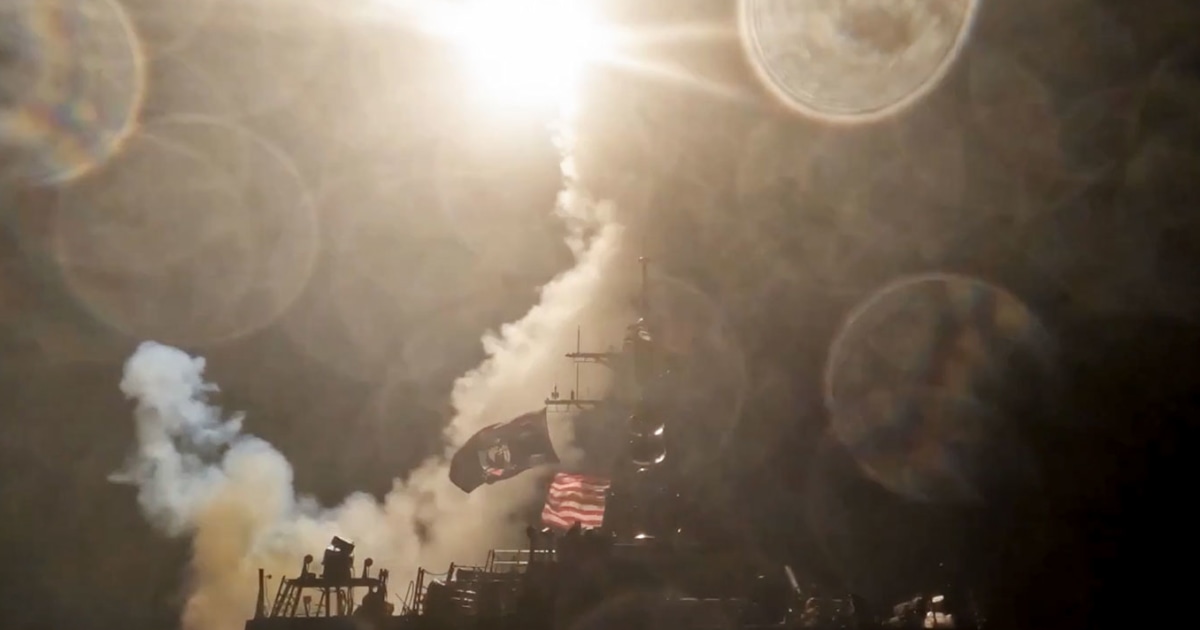
The United States pounded Iran for a 10th consecutive night, U.S. Central Command said Monday, launching a fresh wave of airstrikes it described as "designed to further degrade Iranian military capabilities used to attack commercial shipping in the Strait of Hormuz." Within hours, Iran's Islamic Revolutionary Guard Corps said it had struck two "non-compliant" tankers attempting to transit the strait, and the crew of one vessel abandoned ship into a lifeboat, according to the United Kingdom Maritime Trade Operations center.
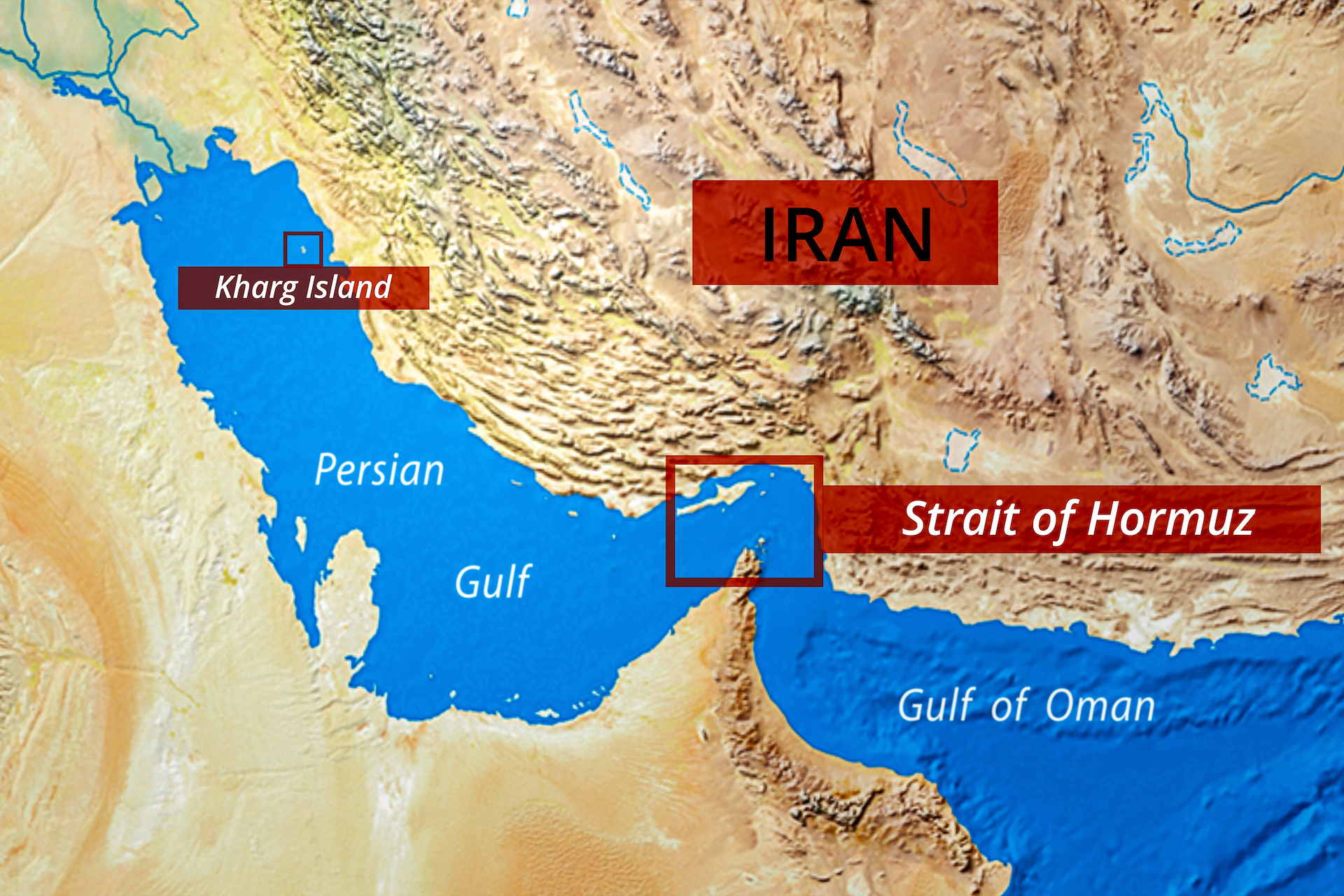
CENTCOM said American forces hit Iranian military command centers, maritime capabilities, missile and drone launch sites and air defense systems "to further degrade Iran's ability to threaten innocent mariners." Iranian state media reported explosions in and around Isfahan in central Iran, the southeastern cities of Chabahar and Konarak, and the southern port city of Bandar Abbas, the headquarters of Iran's navy near the mouth of the strait.
The tanker attacked early Tuesday was the latest vessel caught in a widening fight over the narrow channel through which roughly a fifth of the world's oil moves each day. The UKMTO, which monitors shipping in the region, said the crew of the stricken vessel was forced to evacuate and was awaiting rescue. Maritime security firms warned that the repeated attacks have pushed insurance costs sharply higher and slowed traffic through the chokepoint that links the Persian Gulf to the open ocean.
The exchanges marked another collapse of the diplomacy that briefly halted the fighting earlier in the summer. A ceasefire brokered in June crumbled in July after Iran struck commercial ships that bypassed a route Tehran had approved, and Washington answered by reimposing a naval blockade and resuming near-nightly strikes. Pakistan and Qatar have been trying to coax both sides back to the negotiating table, but there was no sign the renewed fighting would ease.
President Trump, who has repeatedly warned Tehran against threatening shipping, has cast the campaign as a defense of freedom of navigation, while Iranian officials have vowed to keep contesting control of the waterway. The Revolutionary Guard framed its strikes on tankers as enforcement against ships defying Iranian transit rules, a claim that has alarmed governments whose flagged vessels and citizens crew the tankers now in the crossfire.
For global energy markets, the standoff has become a slow-burning crisis. Analysts say a sustained closure of the Strait of Hormuz would ripple through the price of everything from gasoline to diesel, and each new attack revives fears that a single miscalculation could tip the region into a broader war. As the sun rose over the Gulf on Tuesday, salvage crews and warships converged on the latest burning hulk, a stark tableau of a confrontation that shows no sign of ending.