U.S. Navy Destroyers Enter Strait of Hormuz to Begin Historic Mine-Clearance Mission
The USS Frank E. Peterson and USS Michael Murphy crossed the Strait for the first time since the U.S.-Israel war on Iran began, as CENTCOM vowed to reopen one of the world's most critical oil chokepoints.
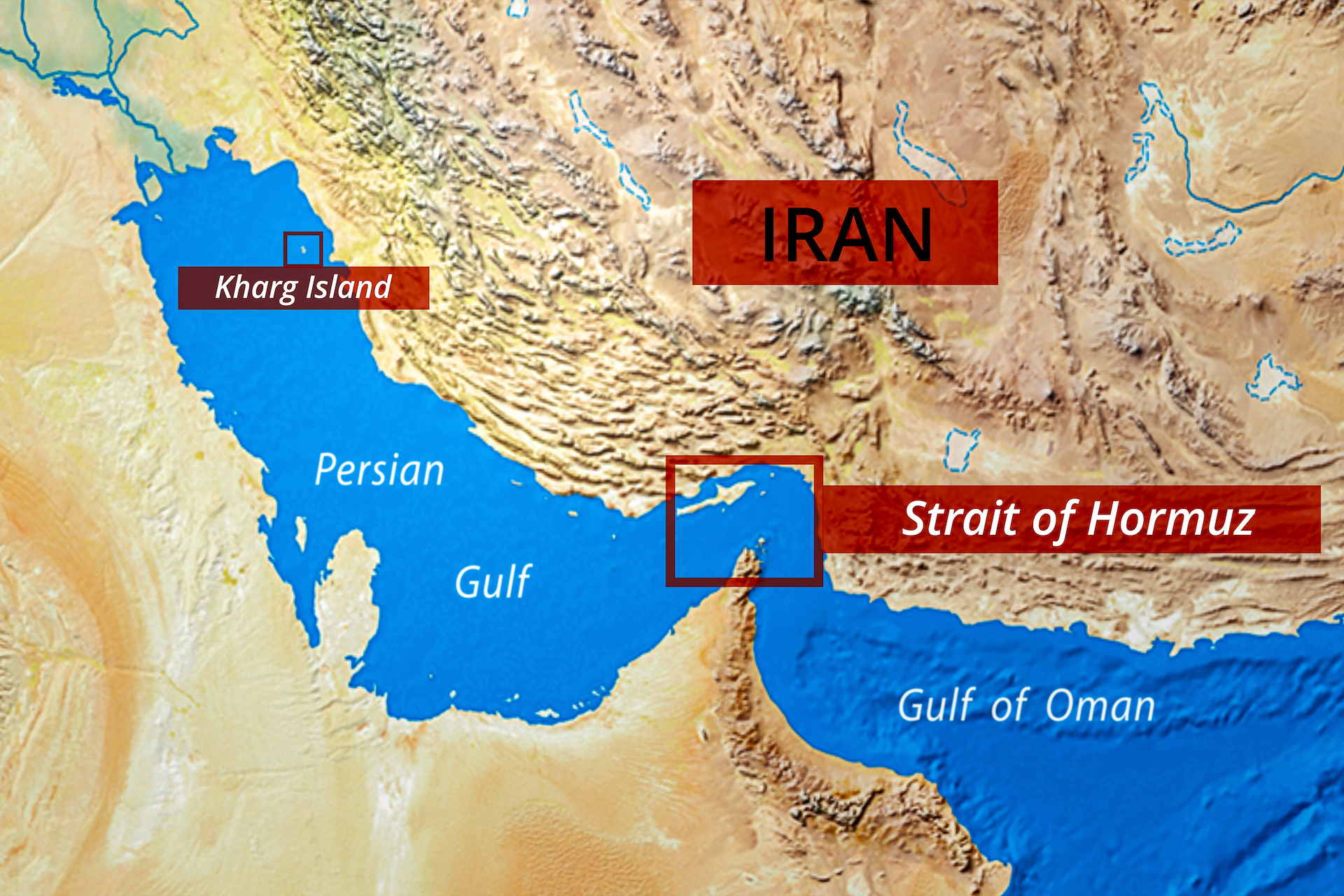
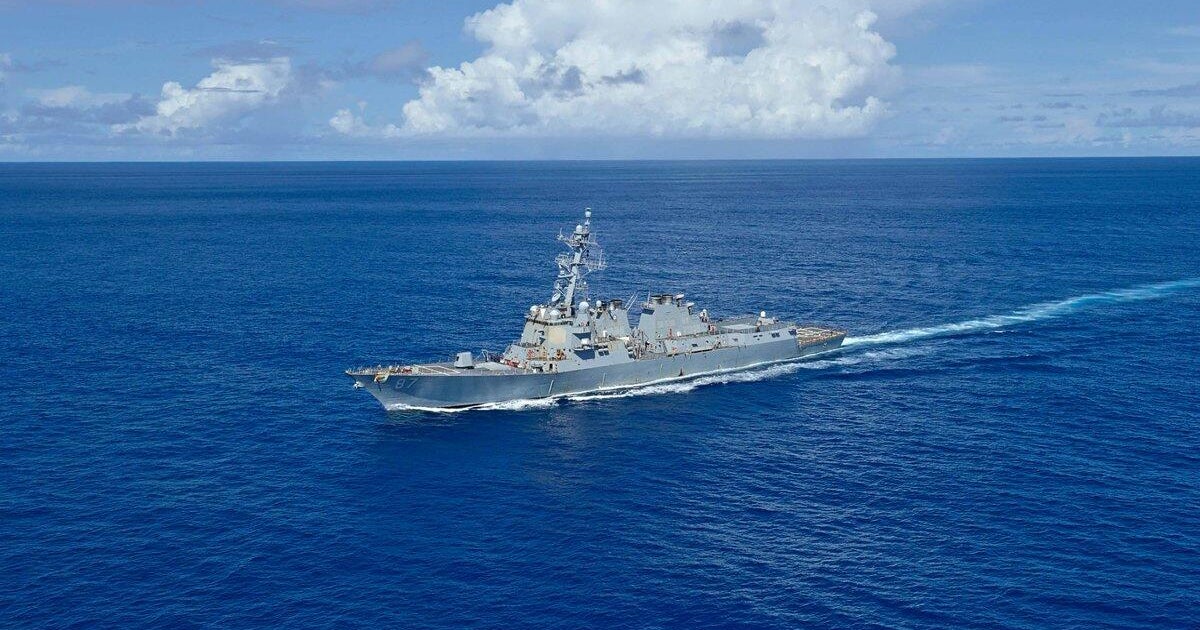
Two U.S. Navy guided-missile destroyers transited the Strait of Hormuz on Saturday and began the first American mine-clearance operation in the critical waterway since the outbreak of the U.S.-Israel war against Iran in late February, CENTCOM announced, as peace talks in Islamabad continued to falter.
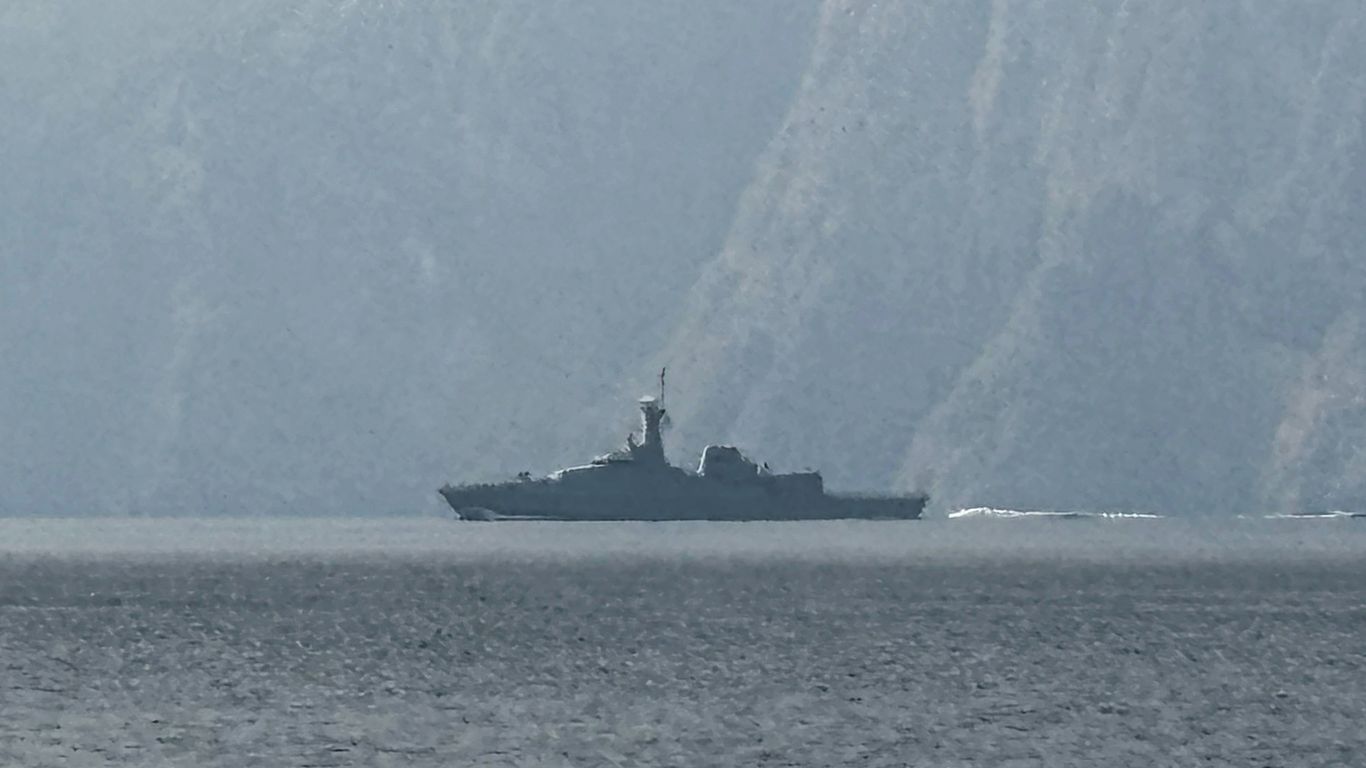
The USS Frank E. Peterson (DDG 121) and the USS Michael Murphy (DDG 112) crossed the strait and entered the Arabian Gulf as part of what U.S. Central Command described as a mission to confirm the waterway "is fully clear of sea mines previously laid by Iran's Islamic Revolutionary Guards Corps." The operation marked the first transit of U.S. warships through the strait since Operation Epic Fury commenced on February 28, 2026.
"Today, we began the process of establishing a new passage and we will share this safe pathway with the maritime industry soon to encourage the free flow of commerce," CENTCOM Commander Admiral Brad Cooper said in a statement. Additional forces, including unmanned underwater vehicles capable of detecting mines in high-clutter seabed environments, were expected to join the operation in coming days.
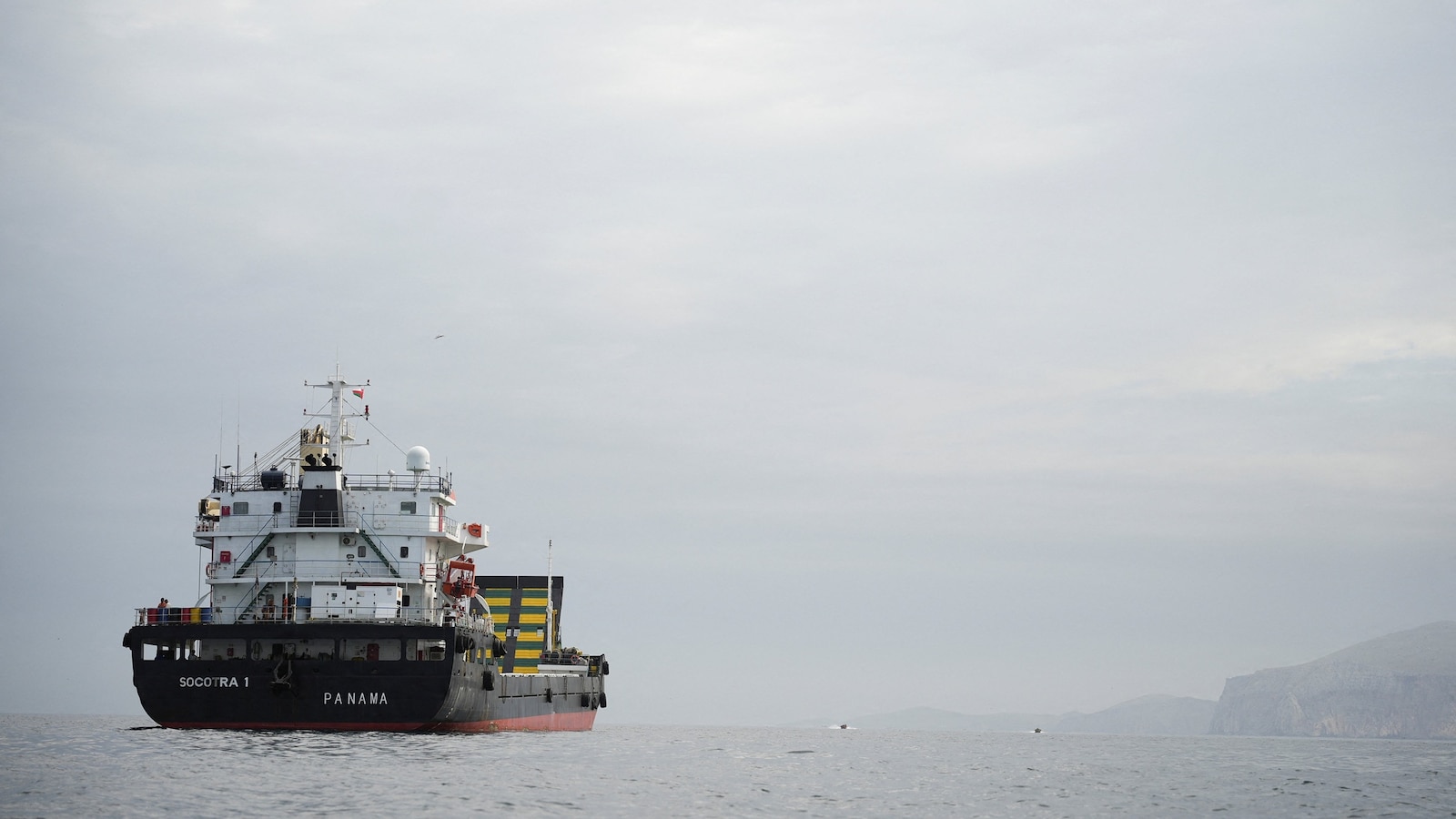
The mine-clearance push comes at a moment of acute tension in the wider conflict. A ceasefire reached on April 8 had ostensibly included an agreement to reopen the strait, but Iran subsequently allowed only limited, toll-paying traffic through the waterway, with fees of over $1 million per ship. Iran said it lacked the capacity to rapidly clear all the mines its forces had laid, while U.S. officials accused Tehran of using the mines as leverage in diplomatic negotiations.
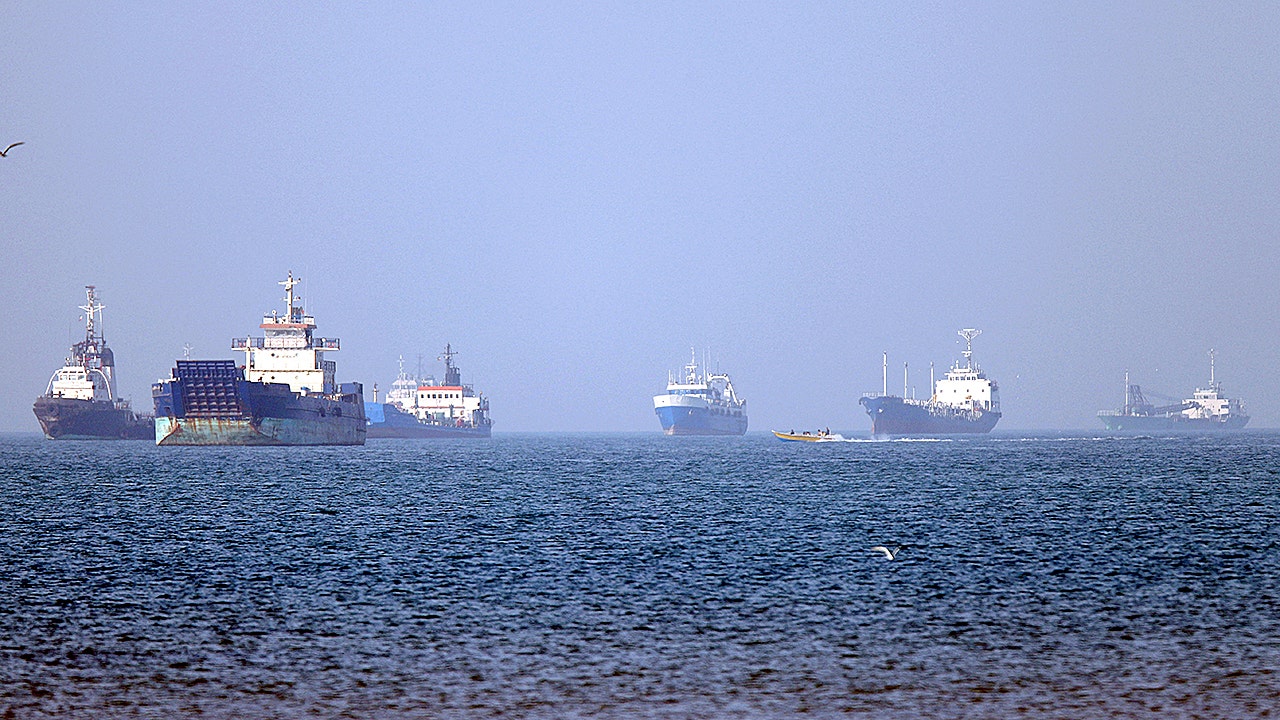
The Strait of Hormuz, a narrow chokepoint between Iran and Oman, is the world's most critical oil transit route. Approximately 21 million barrels of crude oil and petroleum products pass through the strait each day, accounting for roughly 20 percent of global liquid fuels. Iran began laying mines via IRGC small boat operations in the opening days of the conflict, effectively closing the strait to major commercial shipping and triggering a global energy price shock.
Defense analysts noted the complexity of the mine-hunting task. The IRGC reportedly deployed a mix of moored contact mines and more sophisticated pressure-sensitive and acoustic mines in relatively shallow water, making detection difficult. The Navy's Knifefish unmanned underwater vehicle, built by General Dynamics and designed to operate in high-clutter environments, was cited by officials as among the platforms that could be deployed in the operation.
The mine-clearance mission coincided with the collapse of 21-hour diplomatic talks in Islamabad, where Vice President JD Vance led the U.S. delegation in the highest-level direct engagement between American and Iranian officials since the 1979 Islamic Revolution. Vance announced late Saturday that Iran had refused to commit to permanently abandoning its nuclear weapons program, leaving the core issues unresolved. However, the mine-clearance operation suggested Washington was moving forward with its own timeline regardless of the pace of negotiations.
Shipping industry officials said they were cautiously optimistic that the U.S. military operation could restore transit access, but warned that commercial insurers would require clear certification that specific sea lanes had been fully swept before insurance coverage for tanker transit would resume at pre-crisis rates. Lloyd's of London has suspended standard war risk coverage for the strait since March.